

Procyonidae: The Masked Marvels!
Images

Procyonidae


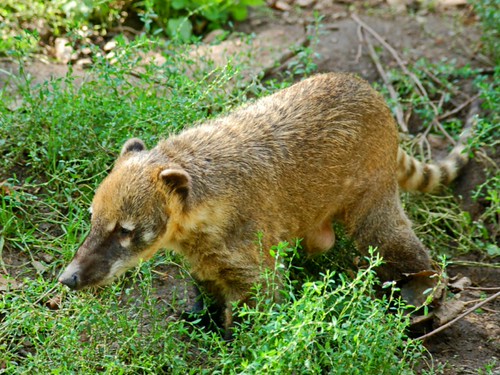


The Procyonidae Lineage
The family Procyonidae represents a fascinating branch of the mammalian evolutionary tree, primarily inhabiting the Americas. This diverse group includes familiar animals like raccoons, as well as coatis, kinkajous, olingos, and ringtails. Phylogenetically, they are often placed within the order Carnivora, though their diets are frequently omnivorous, showcasing a broad spectrum of feeding strategies.
Their evolutionary history is marked by significant diversification, allowing them to occupy a wide array of ecological niches. The development of highly dexterous forepaws, often described as 'hand-like,' is a hallmark adaptation, enabling complex foraging behaviors and object manipulation that sets them apart from many other carnivorans. This trait is crucial for their success in diverse environments, from manipulating food items to navigating complex terrains.
Geographic Distribution and Habitat Versatility
Procyonids exhibit a remarkable geographic range, spanning from southern Canada down to northern Argentina. Their adaptability is a key factor in this extensive distribution. They have successfully colonized a multitude of habitats, including temperate and tropical forests, grasslands, savannas, deserts, and even highly anthropogenized environments like urban and suburban areas.
This ecological plasticity is driven by their opportunistic feeding habits and their ability to utilize a wide range of shelter types. For instance, raccoons (Procyon lotor) have become particularly adept at coexisting with humans, often exploiting human-generated resources such as refuse and readily available den sites in buildings and infrastructure, demonstrating a sophisticated understanding of their modified environments.
Dietary Flexibility and Foraging Strategies
The Procyonidae family is characterized by its predominantly omnivorous diet, a strategy that underpins their widespread success. Their food sources are highly varied and often seasonal, encompassing fruits, nuts, seeds, insects, arachnids, crustaceans, amphibians, reptiles, bird eggs, and small mammals. This dietary flexibility allows them to exploit available resources efficiently across different ecosystems and times of the year.
Foraging behaviors are diverse; many species are nocturnal or crepuscular, utilizing acute senses of hearing, smell, and touch to locate food. Some, like coatis, use their elongated snouts to root through leaf litter and soil for invertebrates, while kinkajous are primarily frugivorous, playing a role in seed dispersal in tropical forests. This broad dietary spectrum minimizes competition and maximizes survival rates.
Behavioral Adaptations and Social Structures
Beyond their physical and dietary adaptations, Procyonidae exhibit a range of interesting behavioral traits. Many species are solitary, particularly adult raccoons, though they may tolerate others in areas with abundant resources. Coatis, however, often live in social groups, especially females and young, while males tend to be solitary.
Kinkajous are also largely solitary and arboreal, spending most of their lives in trees. Their intelligence is evident in their problem-solving abilities, such as navigating complex mazes or devising methods to access food. Communication often involves vocalizations, scent marking, and body language. Their nocturnal or crepuscular activity patterns are a significant behavioral adaptation, allowing them to avoid diurnal predators and capitalize on resources available during cooler, less crowded periods.
Conservation Status and Human Interactions
While many Procyonidae species are currently listed as 'Least Concern' by the IUCN due to their wide distribution and adaptability, some face localized threats. Habitat loss and fragmentation, particularly in tropical regions, can impact populations of species like kinkajous and olingos. Raccoons, due to their adaptability, often thrive in human-dominated landscapes, leading to increased human-wildlife conflict. Managing these interactions requires understanding their behavior and ecological roles.
Efforts to conserve their habitats and mitigate conflicts are essential for ensuring the long-term survival of this diverse and fascinating mammalian family, highlighting the interconnectedness of wildlife and human development.
See also
Frequently Asked Questions
What animals belong to the Procyonidae family?+
Why do raccoons look like they have masks?+
How do Procyonidae use their forepaws?+
Where can you find Procyonidae animals?+
What do Procyonidae eat?+
Based on content from Wikipedia · Licensed under CC BY-SA 4.0