

President of the Royal Society
Images

Uncle-Ed-Brockman




The Custodian of Scientific Integrity and Advancement
The President of the Royal Society serves as the preeminent figurehead of one of the world's oldest and most prestigious scientific institutions. This role transcends mere administrative duties; it is a position of profound intellectual and societal leadership. The President is elected by the Fellows, a testament to their distinguished scientific careers and their capacity to represent and guide the collective expertise of the Society.
Their primary mandate is to champion the cause of science, foster an environment conducive to groundbreaking research, and ensure that scientific knowledge is used for the betterment of humanity. This involves a delicate balance of promoting fundamental research, encouraging interdisciplinary collaboration, and advocating for the ethical application of scientific discoveries. The President acts as a crucial conduit, translating complex scientific issues for policymakers and the public, thereby upholding the Society's commitment to scientific excellence and societal impact.
A Legacy Forged Through Centuries of Scientific Evolution
The office of the President of the Royal Society has evolved dramatically since its inception in 1660. Initially, under figures like the first President, William Brouncker, the focus was on establishing a formal framework for scientific discourse and experimentation in an era of nascent scientific inquiry. As the scientific revolution unfolded, and later, as industrialization and specialization took hold, the President's role expanded.
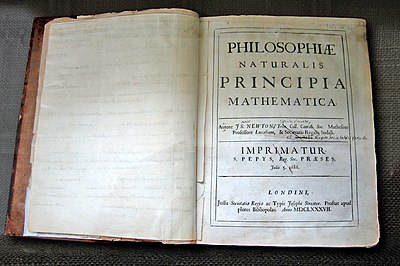
Leaders like Sir Isaac Newton, who served for an unprecedented 24 years, shaped the Society during a period of monumental theoretical breakthroughs. In more recent times, Presidents have navigated the complexities of globalized research, rapid technological advancement, and the increasing need for science communication in an information-saturated world. Each tenure reflects the prevailing scientific paradigms and societal challenges, demonstrating the enduring adaptability and relevance of the Royal Society and its leadership.
The President's Pivotal Role in Policy and Public Perception
The influence of the President of the Royal Society extends significantly into the realms of public policy and societal understanding of science. By virtue of their position, they are a trusted advisor to the government on matters of science and technology, providing expert counsel that can shape national strategies and legislation. This advisory capacity is critical for addressing complex, evidence-based challenges such as public health crises, environmental sustainability, and technological innovation.
Furthermore, the President plays a vital role in public engagement, demystifying science and fostering a scientifically literate populace. They articulate the value of scientific research, promote critical thinking, and champion the importance of evidence-based decision-making in public life. This advocacy is essential for maintaining public trust in science and ensuring its continued support and integration into societal progress.
Navigating the Modern Scientific Landscape
In contemporary times, the President of the Royal Society shoulders a diverse array of responsibilities that reflect the intricate nature of modern science. A core duty involves overseeing the Society's various programs, including its prestigious grant-making activities, its publications, and its extensive public outreach initiatives. The President actively promotes international scientific cooperation, recognizing that many of today's grand challenges require global solutions.
They are instrumental in fostering diversity and inclusion within the scientific community, ensuring that talent from all backgrounds is recognized and nurtured. Moreover, the President champions the principles of scientific integrity, open data, and responsible research conduct, setting a high ethical standard for the entire scientific enterprise. This multifaceted leadership ensures the Royal Society remains a dynamic and influential force in global science.
A Pantheon of Scientific Luminaries
The lineage of Presidents of the Royal Society is a chronicle of scientific achievement. Following William Brouncker, the Society has been led by individuals whose contributions have fundamentally altered our understanding of the universe. Sir Isaac Newton's long tenure solidified the Society's influence during a period of profound discovery.
Other notable Presidents include Sir Christopher Wren, the architect of St Paul's Cathedral, who was also a distinguished scientist, and Lord Rayleigh, a Nobel laureate for his work on the discovery of argon. More recent Presidents have come from diverse fields, including physics, chemistry, biology, and medicine, each bringing their unique perspective to guide the Society through evolving scientific landscapes. The selection process ensures that each President is not only a distinguished scientist but also a capable leader equipped to address the contemporary challenges and opportunities facing science.
See also
Frequently Asked Questions
What is the President of the Royal Society?+
How is the President chosen?+
What does the President do?+
Who was the first President of the Royal Society?+
Why is the President important for society?+
Based on content from Wikipedia · Licensed under CC BY-SA 4.0