

Powiat: Poland's Awesome Neighborhoods!
Images

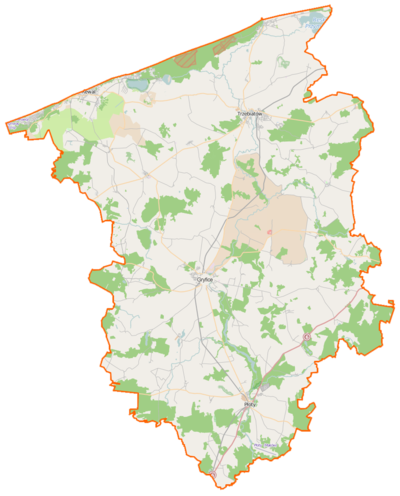
Powiat pucki location map




Deconstructing the Powiat
The powiat represents the second tier of local government in Poland, a critical administrative layer situated between the larger voivodeships and the smaller gminas. Its primary function is to provide a framework for regional governance, ensuring the delivery of public services and the implementation of policies across a defined territory. Powiats are not merely administrative divisions; they are active entities with elected bodies, such as the powiat assembly (rada powiatu) and the executive board (zarząd powiatu) headed by a starost (starosta).
These bodies are responsible for a broad spectrum of public tasks, including regional planning, road maintenance, public health services, vocational education, and social welfare programs. The existence of 314 land powiats, which are typically composed of multiple gminas, highlights the collaborative nature of governance in these areas, requiring coordination between different local authorities. Conversely, the 66 city counties, or 'miasta na prawach powiatu,' demonstrate a model of concentrated urban governance where a major city assumes the responsibilities of both a gmina and a powiat, streamlining administration for densely populated areas.
This dual structure allows for tailored governance approaches suited to diverse regional characteristics.
Historical Evolution of the Powiat System
The administrative landscape of Poland has undergone significant transformations throughout its history, and the concept of the powiat has evolved alongside these changes. While the modern powiat system was largely established by reforms in the late 20th century, its roots can be traced back to earlier administrative divisions that served similar purposes of regional organization and governance. Historically, various forms of territorial divisions existed, influenced by periods of partitions, foreign rule, and independent statehood.
The post-communist era in Poland saw a deliberate effort to decentralize power and strengthen local self-government, leading to the re-establishment and refinement of the powiat as a key administrative tier. This reform aimed to create more responsive and accountable governance structures, empowering local communities and fostering regional development. The current structure reflects a balance between centralized oversight and local autonomy, a legacy of Poland's complex historical journey in defining its administrative framework.
The Indispensable Role of Powiat in Modern Poland
The significance of the powiat in contemporary Poland cannot be overstated, as it serves as a vital conduit for public services and regional development. Powiats are instrumental in addressing the specific needs of their constituent communities, ranging from infrastructure development and environmental protection to social services and cultural initiatives. They play a crucial role in economic development by supporting local businesses, attracting investment, and creating employment opportunities within their territories.
Furthermore, powiats contribute to social cohesion by providing essential social welfare programs and supporting educational institutions. The administrative functions of powiats, such as land management and public safety coordination, are fundamental to the orderly functioning of society. By decentralizing responsibilities to the powiat level, Poland enhances the efficiency and effectiveness of its governance, ensuring that policies are implemented in a manner that is sensitive to local contexts and priorities, thereby fostering a more robust and equitable national development.
Operational Dynamics
The operational framework of a powiat involves distinct governance mechanisms. Land powiats, comprising multiple gminas, necessitate a degree of inter-gmina cooperation and coordination, often facilitated by the powiat authorities. The powiat assembly, elected by residents, sets policy and approves budgets, while the starost, appointed by the central government or elected depending on the specific context and reforms, leads the executive branch.
City counties, on the other hand, operate with a unified administrative structure, where the city mayor and council perform both gmina and powiat functions. This streamlined approach in urban areas allows for rapid decision-making and efficient resource allocation. The relationship between powiats and the voivodeships involves adherence to national laws and policies, with powiats often acting as implementing bodies for voivodeship-level strategies.
This multi-layered governance system, while complex, is designed to ensure comprehensive coverage and responsiveness across Poland's diverse regions.
See also
Frequently Asked Questions
What is a powiat in Poland?+
How many powiats are there in Poland?+
Who runs a powiat?+
What jobs do powiats do?+
Why are city counties special?+
Based on content from Wikipedia · Licensed under CC BY-SA 4.0