

Pope Pius VI
Images

Meeting of Pope Pius VI and Doge Paolo Renier - Franceso Guardi


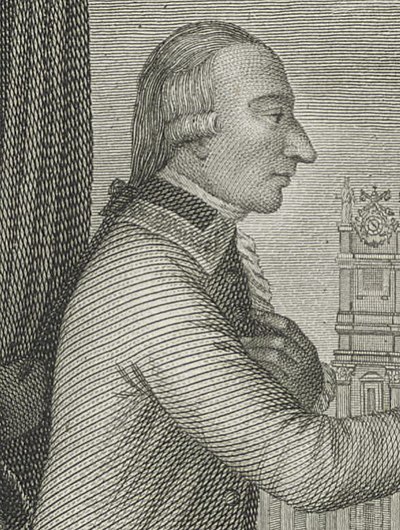


The Pontificate of Giovanni Braschi
Giovanni Angelo Braschi, born into a noble family in Cesena on December 25, 1717, ascended to the papacy as Pius VI on February 15, 1775. His pontificate, lasting over twenty-four years, is the fifth-longest in papal history and the longest for any Pope ruling the Papal States. This extended tenure provided a sense of continuity during a period of immense upheaval.
Initially, his papacy saw some administrative reforms and patronage of the arts, including the expansion of the Vatican Museums. However, his reign would become inextricably linked with the seismic political and social shifts occurring across Europe, particularly the French Revolution. His role as both the spiritual head of the Catholic Church and the temporal sovereign of the Papal States placed him in a precarious position as the old order began to crumble.
Ideological Warfare
The French Revolution, beginning in 1789, represented a profound challenge to the established religious and political order that Pius VI embodied. The revolutionary government's anti-clerical policies, including the Civil Constitution of the Clergy (1790), which sought to subordinate the Church to the state and required clergy to swear an oath of loyalty to the nation, were met with fierce condemnation from Pius VI. He declared the Civil Constitution heretical and invalid, excommunicating those who supported it.
This ideological clash was not merely symbolic; it had tangible consequences. The Papal States, though geographically distant from the heart of the revolution, became a target for revolutionary fervor and French expansionism. Pius VI's unwavering opposition to the revolutionary principles and its impact on the Church solidified his image as a defender of traditional authority, but also as an obstacle to the new French Republic.
The Napoleonic Storm
The escalating conflict between the Papal States and revolutionary France culminated in military action. In 1796, Napoleon Bonaparte, a rising military genius, led French forces into Italy. The Papal army was swiftly defeated, and French troops occupied Rome in February 1798.
The revolutionary government, seeking to dismantle the Pope's temporal power entirely, declared the Roman Republic and abolished the Papal States. In February 1798, Pope Pius VI was arrested and taken prisoner by French general Louis-Alexandre Berthier. His refusal to abdicate his temporal authority was the pretext for his capture and subsequent exile.
This act symbolized the dramatic shift in European power, demonstrating that even the head of the Catholic Church was not immune to the ambitions of military conquerors. His imprisonment marked a profound humiliation for the papacy.
Exile, Death, and the Enduring Question of Temporal Power
Transported across the Alps and moved through various French cities, the elderly and infirm Pope Pius VI endured eighteen months of captivity. He died in Valence on August 29, 1799, far from Rome and his spiritual flock. His death occurred during a period of intense political flux in France, and his body remained in Valence for some time before eventually being returned to Rome for burial.
The events of Pius VI's papacy, particularly his capture and exile, raised critical questions about the necessity and viability of papal temporal power in the modern era. While his reign was marked by a staunch defense of tradition, his fate underscored the vulnerability of the Papal States to powerful secular forces. His pontificate serves as a crucial case study in the complex interplay of religion, politics, and nationalism during a transformative period in European history.
See also
Frequently Asked Questions
Who was Pope Pius VI?+
When did Pope Pius VI become Pope?+
Why did Pope Pius VI oppose the French Revolution?+
Where did Pope Pius VI die?+
How long was Pope Pius VI's papacy?+
Based on content from Wikipedia · Licensed under CC BY-SA 4.0