

Polea
Images
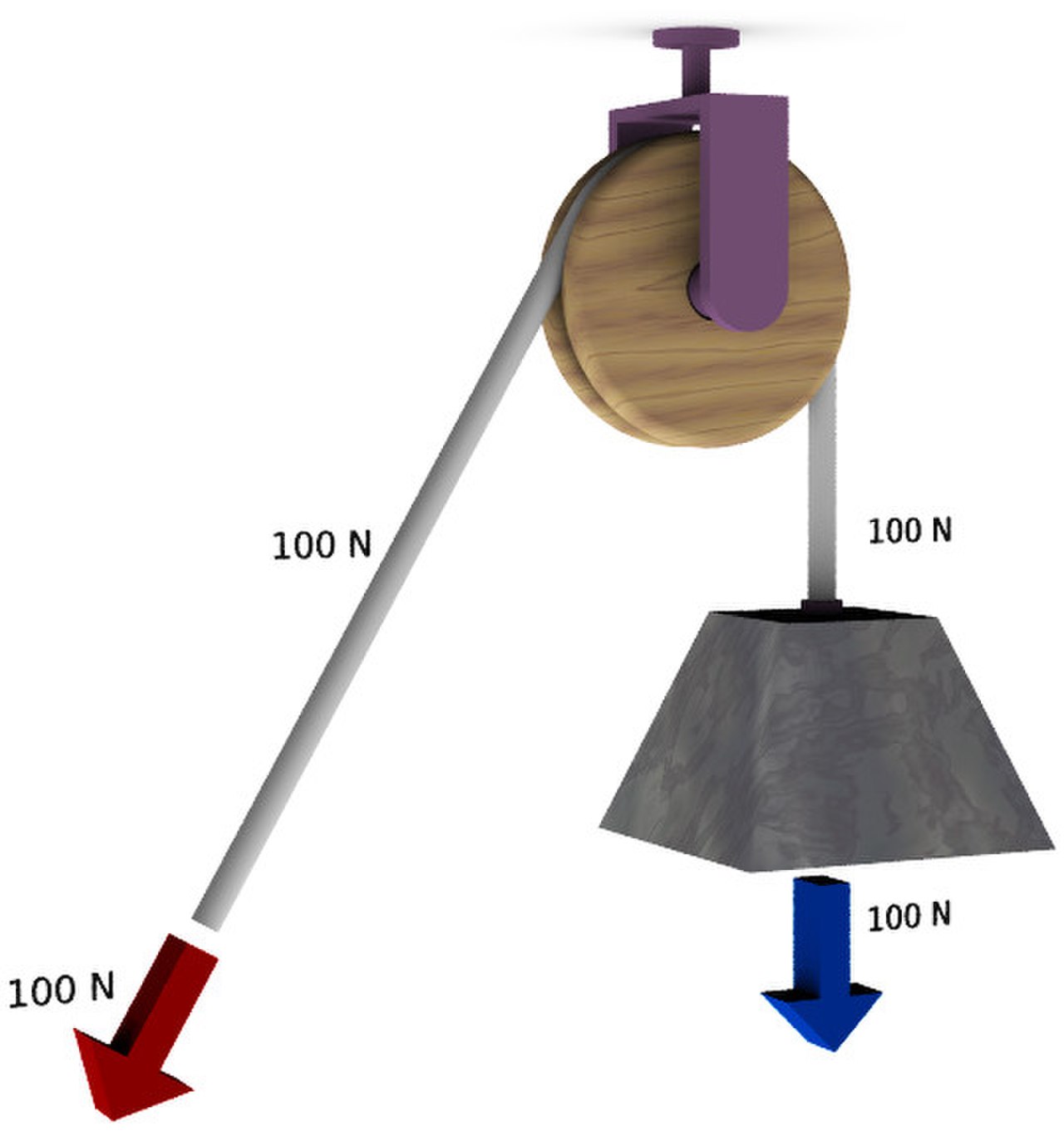
Polea-simple-fija


The Botanical Identity and Geographic Reach of Polea
Polea, scientifically classified as Olea europaea var. cuspidata, represents a distinct variant within the Olea europaea species, historically cultivated for its superior timber rather than its fruit. Its natural distribution spanned the diverse ecological zones of the Mediterranean basin, extending into parts of North Africa and Western Asia. This geographic spread placed it within reach of numerous burgeoning ancient civilizations, including the Greeks, Romans, Phoenicians, and Egyptians.
The specific environmental conditions of these regions, characterized by warm, dry summers and mild, wet winters, were conducive to the growth of Polea trees that developed exceptionally dense and resilient wood. Understanding its botanical classification and historical range is crucial to appreciating its widespread impact on ancient economies and technologies. The very existence of this specialized variety underscores the sophisticated understanding ancient peoples had of their natural resources and their ability to select and propagate plants for specific utilitarian purposes.
Polea's Indispensable Role in Maritime Technology and Trade
The paramount importance of Polea to ancient societies stemmed directly from the exceptional properties of its wood. It possessed a remarkable density, hardness, and, critically, an inherent resistance to decay and marine borers. These characteristics made it the preeminent material for shipbuilding.
Ancient mariners relied on Polea for constructing keels, hulls, masts, and other structural components that required immense strength and longevity in harsh saltwater environments. The durability of Polea-built vessels facilitated longer voyages, enabling extensive trade networks, exploration, and military expansion across the Mediterranean and beyond. Without this robust timber, the scale and ambition of ancient maritime endeavors would have been severely limited.
The ability to construct reliable ships allowed for the exchange of goods, ideas, and cultures, fundamentally shaping the development of Mediterranean civilizations and their interactions with the wider world.
Beyond Ships
While its role in shipbuilding is perhaps its most celebrated contribution, Polea's utility extended significantly into terrestrial construction and fine craftsmanship. The same qualities that made it ideal for ships-strength, durability, and resistance to rot-were highly valued for building permanent structures. Polea wood was employed in creating sturdy beams, posts, and joinery for houses, temples, and public buildings, ensuring their longevity.
Furthermore, its fine grain and workability made it a favored material for crafting high-quality furniture, tools, and even decorative items. The consistent performance of Polea timber meant that resources could be allocated more efficiently, as structures and implements made from it required less frequent replacement and repair. This contributed to greater economic stability and allowed for more ambitious architectural and artisanal projects, leaving a lasting material legacy that archaeologists continue to study.
Decline, Legacy, and Modern Relevance
The intensive exploitation of Polea forests over centuries led to a significant decline in its availability, particularly in regions heavily utilized by ancient civilizations. As natural stands diminished, other timber sources gradually replaced Polea in many applications. However, its legacy persists not only in archaeological findings but also in its genetic connection to the common olive tree (Olea europaea), which retains some of these desirable wood properties.
The study of Polea offers valuable insights into historical resource management, ancient technologies, and the intricate relationship between human societies and their environment. It serves as a powerful reminder of how specific natural resources can drive technological innovation and cultural development. In contemporary contexts, understanding the historical success of Polea can inform discussions on sustainable forestry and the cultivation of specialized wood varieties for modern applications, drawing lessons from the past to address future needs.
Key Facts and Connections
The Polea, Olea europaea var. cuspidata, is a testament to the critical role of specific botanical resources in shaping human history. Its exceptional timber was instrumental in the rise of maritime powers and the construction of enduring infrastructure across the ancient Mediterranean. Related to the common olive, its decline highlights the consequences of overexploitation.
The study of Polea intersects with fields such as archaeobotany, classical history, and material science, offering a tangible link to the ingenuity of past civilizations and their reliance on the natural world. Its story underscores the importance of biodiversity and the long-term impact of resource utilization.
See also
Based on content from Wikipedia · Licensed under CC BY-SA 4.0