

Pocket Watch: Your Secret Timekeeper!
Images
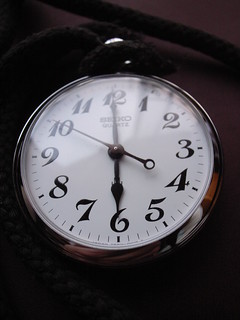
My pocket watch


The Genesis of Portable Timekeeping
The pocket watch represents a pivotal moment in the democratization of time. Emerging in the early 16th century, following the development of spring-driven mechanisms in Italy and Germany, these devices moved timekeeping from public clocks and sundials into the personal realm. Bartholomew Manfredi's 1462 letter referencing a 'pocket clock' suggests precursors, but Peter Henlein's documented manufacturing by 1526 marks a significant step.
Early pocket watches were rudimentary, often lacking minute hands and featuring thick cases, reflecting the precision limitations of the era. Their size and cost made them exclusive items, primarily for the wealthy elite. The transition from purely functional objects to symbols of status and technological advancement began here, laying the groundwork for centuries of horological innovation and personal adornment.
Evolution of Design and Functionality
The pocket watch underwent significant refinement throughout its peak period. The introduction of the minute hand in the late 17th century was a critical advancement, enabling more precise scheduling and coordination. This coincided with improvements in escapement mechanisms and balance springs, leading to greater accuracy.
The design also diversified. While men's watches were typically attached to chains for securing to waistcoats or lapels, women's watches often featured shorter straps or 'fobs.' These fobs could be purely decorative, incorporating intricate enamel work or precious stones, or they could serve practical purposes, sometimes acting as protective covers for the watch face. The chain itself became a platform for personalization, adorned with pendants, society emblems, and even utilitarian tools like winding keys or seals, transforming a timekeeping device into a complex personal accessory.
Socio-Economic Impact and Cultural Significance
For over three centuries, the pocket watch was the dominant form of personal timekeeping, profoundly shaping societal structures and individual behavior. Its widespread adoption facilitated the rise of industrialization, enabling the precise scheduling of factory work, transportation, and commerce. The concept of punctuality became deeply ingrained in the public consciousness, influencing everything from business meetings to social engagements. Train conductors, for instance, were often associated with specific types of pocket watches designed for easy viewing and secure fastening through a buttonhole, highlighting the watch's role in critical professions.
The pocket watch was not merely a tool; it was a statement of modernity, sophistication, and adherence to the increasingly regimented rhythms of the industrial age.
The Twilight of the Pocket Watch and its Legacy
The advent of World War I marked a turning point for the pocket watch. The practical challenges of accessing a pocket watch during trench warfare necessitated a more accessible solution. Military personnel began adapting pocket watches by attaching leather straps, creating the 'trench watch'-a direct precursor to the wristwatch. This innovation, driven by wartime necessity, rapidly shifted public preference towards wrist-worn timepieces after the conflict.
While pocket watches ceded their primary role in daily timekeeping, they transitioned into a niche market, cherished by collectors and enthusiasts for their historical significance, intricate craftsmanship, and nostalgic appeal. They endure as symbols of a bygone era, representing a period when timekeeping was both a mechanical art and a profound cultural anchor.
See also
Frequently Asked Questions
What is a pocket watch and why did people use it?+
When did pocket watches first appear?+
Why did pocket watches have minute hands later on?+
How did pocket watches help during trains and factories?+
Why did people stop wearing pocket watches after World War I?+
Based on content from Wikipedia · Licensed under CC BY-SA 4.0