

Pitt Rivers Museum
Images

Shrunken head - Oxford Pitt Rivers Museum




Genesis of a Global Archive
The Pitt Rivers Museum, an integral part of the University of Oxford, stands as a testament to the foresight of its founder, Lieutenant-General Augustus Henry Lane Fox Pitt Rivers. Established in 1884, the museum's foundation was predicated on Pitt Rivers' generous donation of his extensive private collection, comprising roughly 22,000 artifacts. This was not merely a charitable act; it was a carefully stipulated bequest.
A crucial condition was the appointment of a permanent lecturer in anthropology, a role that would foster academic study and interpretation of the donated materials. This led to Edward Burnett Tylor, a pivotal figure in the development of anthropology, becoming the first Reader in Anthropology in 1885. Furthermore, Pitt Rivers insisted that a dedicated building be provided solely for the housing and display of the collection.
The university responded by commissioning Thomas Manly Deane, son of the architect of the main Natural History Museum, to design and construct an adjoining building, completed in 1886. This architectural symbiosis ensured the collection had a purpose-built home, free from other institutional demands, thereby preserving its integrity and facilitating its scholarly use.
Evolution of a Collection
The Pitt Rivers Museum's collection has undergone a phenomenal expansion since its inception. What began as approximately 22,000 items has burgeoned into an astonishing repository of over 600,000 objects. This dramatic growth is largely attributable to the museum's unique acquisition model, which relies heavily on donations.
For over a century, colonial officials, intrepid travelers, dedicated scholars, and earnest missionaries have contributed to the museum's holdings, often sending back materials from their expeditions and fieldwork. This influx has resulted in an unparalleled ethnographic and archaeological archive, encompassing a vast array of material culture from across the globe. The collection includes not only tangible objects like tools, textiles, and ceremonial items but also significant photographic archives, offering a visual dimension to the study of human societies.
The sheer scale and diversity of the collection make it an invaluable resource for researchers and a compelling window into the human story.
The Academic Imperative
The Pitt Rivers Museum is intrinsically linked to the academic mission of the University of Oxford. From its very founding, the museum was conceived as an educational institution. Augustus Pitt Rivers' stipulation for a permanent lecturer in anthropology underscored the importance of scholarly engagement with the collection. This commitment continues today, with museum staff actively involved in teaching archaeology and anthropology at the university.
They bring their expertise and the tangible evidence from the collections into the classroom, providing students with direct insights into human history, cultural practices, and societal development. The museum's display methods, often characterized by dense, comparative arrangements, are designed to encourage critical thinking and analytical comparison of cultural phenomena. This pedagogical approach fosters a deep understanding of human diversity and the shared challenges and innovations that have shaped our species.
A Comparative Showcase
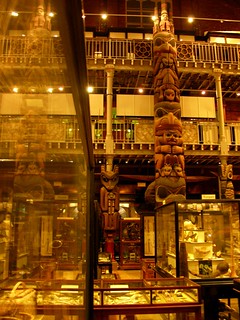
The Pitt Rivers Museum is renowned for its distinctive display methodology, which emphasizes comparative ethnography. Unlike many museums that organize by geographical region, the Pitt Rivers often groups objects by type or function, allowing visitors to compare similar items from vastly different cultures. For instance, one might find a collection of arrowheads from various continents displayed together, highlighting diverse technological solutions to a common need.
This approach, while sometimes dense, is incredibly effective for illustrating evolutionary or functional relationships between artifacts. The museum's original layout, largely preserved, features rows of glass-topped display cases, creating an immersive environment that invites detailed examination. This method encourages visitors to see the common threads of human ingenuity and expression that run through disparate societies, fostering a nuanced appreciation for global cultural heritage and the shared human experience.
The Enduring Relevance of Material Culture
In an increasingly digital world, the Pitt Rivers Museum serves as a vital anchor to the tangible realities of human history and culture. The 600,000-plus objects within its walls are not mere relics; they are primary sources that offer irrefutable evidence of past lives, beliefs, and technologies. Studying these artifacts allows us to move beyond abstract theories and engage with the material manifestations of human endeavor.
The museum's role in anthropological education is crucial for training future researchers and for informing the public about the complexities of human societies. By understanding the diverse ways people have lived, adapted, and created, we gain a deeper appreciation for our own place in the world and the interconnectedness of all humanity. The Pitt Rivers Museum, therefore, remains a dynamic and essential institution for understanding the human story in all its rich and varied forms.
See also
Frequently Asked Questions
What is the Pitt Rivers Museum?+
Why was the museum started?+
How many objects are in the museum now?+
Where did the museum’s building come from?+
How does the museum help students learn?+
Based on content from Wikipedia · Licensed under CC BY-SA 4.0