

Pika
Images

American Pika (Ochotona princeps)


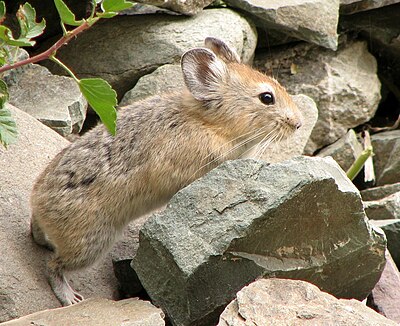


Masters of the Rocky Realm
The pika, scientifically classified under the genus Ochotona within the family Ochotonidae, represents the smallest extant members of the order Lagomorpha. These diminutive mammals are characterized by their rounded bodies, short limbs, dense fur, and distinctive, short, rounded ears, setting them apart from their leporid relatives. Their evolutionary journey has led them to inhabit some of the planet's most challenging terrestrial environments: the high-altitude rocky slopes, or talus fields, of Asia and North America.
These environments, often above the tree line, demand specialized adaptations for thermoregulation and survival. The scientific name Ochotona itself is derived from the Mongolian word 'ogotno,' highlighting the ancient human recognition of this unique creature. Fossil records indicate a broader diversity of pika genera in the past, underscoring their long evolutionary history.
The Art of Winter Preparation
Pikas are strictly herbivores, subsisting on a diet of grasses, forbs, and other alpine vegetation. Their most remarkable behavioral adaptation is their 'haying' behavior, a critical strategy for surviving the long, food-scarce winters. During the warmer months, pikas engage in intensive foraging, gathering a diverse array of plant material.
They meticulously transport these collected plants to designated sites beneath rock overhangs or within their talus territories, creating substantial 'haypiles.' These haypiles are not merely stockpiles; they are carefully curated collections, often dried and preserved by the pikas themselves, providing essential nutrition throughout the winter months when snow cover renders foraging impossible. This behavior is a testament to their foresight and their deep connection to seasonal cycles.
Vocalizations and Social Dynamics
The common name 'whistling hare' aptly describes one of the pika's most notable traits: its high-pitched alarm call. When a pika perceives a threat, whether from aerial predators like eagles or terrestrial hunters such as foxes and weasels, it emits a sharp, piercing whistle. This vocalization serves as an immediate and effective warning system, alerting conspecifics within earshot to take cover in the safety of the rocky terrain.
The complexity of their social structure and territoriality is often linked to these alarm calls and their ability to detect and evade predators. The two North American species, the American pika (Ochotona princeps) and the collared pika (Ochotona collaris), exhibit regional variations in their behavior and habitat use, reflecting their adaptation to diverse alpine ecosystems.
Climate Change
While pikas have demonstrated remarkable resilience in adapting to harsh alpine conditions, they are increasingly recognized as sentinel species for the impacts of climate change. Their specialized habitat requirements, particularly their reliance on cool temperatures and specific vegetation, make them highly vulnerable to rising global temperatures. As treelines ascend and snowpack diminishes, pikas face habitat fragmentation, reduced food availability, and increased heat stress.
Some populations have already experienced local extirpations due to warming trends. The conservation status of pika species varies, but the overarching threat of climate change poses a significant challenge to their long-term survival, prompting urgent research and conservation efforts to understand and mitigate these impacts on these unique mountain dwellers.
See also
Frequently Asked Questions
What does a pika look like?+
How do pikas survive the winter?+
Why do pikas whistle?+
Where do pikas live?+
Are pikas affected by climate change?+
Based on content from Wikipedia · Licensed under CC BY-SA 4.0