

Phylogenetics: The Family Tree of Life!
Images

Phylogenetics







The Architecture of Evolutionary History
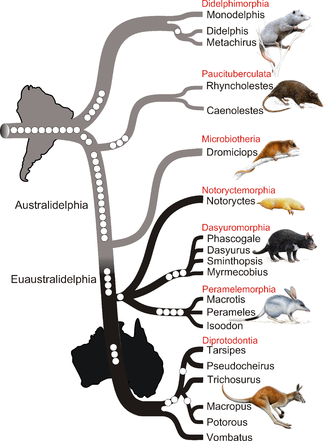
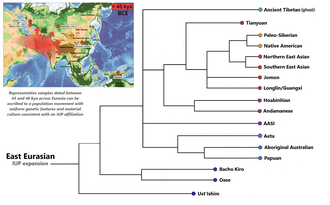
Phylogenetics is the scientific discipline dedicated to inferring the evolutionary relationships among biological entities. It seeks to reconstruct the historical branching patterns of life, visualizing these relationships through phylogenetic trees. These trees are not mere diagrams but hypotheses about the evolutionary past, representing the descent of species from common ancestors.
The core principle is that organisms sharing more derived characteristics (synapomorphies) are more closely related than those sharing fewer. This field integrates data from diverse sources, including comparative anatomy, embryology, paleontology, and, most powerfully, molecular biology, particularly DNA and protein sequence data. The advent of high-throughput sequencing has revolutionized phylogenetics, enabling the analysis of vast genomic datasets to resolve relationships at unprecedented scales, from microbial communities to the entire tree of life.
Methodologies in Phylogenetic Reconstruction
Constructing accurate phylogenetic trees involves sophisticated computational methods and statistical models. Early methods relied on parsimony, seeking the tree that requires the fewest evolutionary changes. More modern approaches utilize likelihood and Bayesian inference, which model the probability of observing the data given a particular tree and evolutionary model.
These models account for factors like varying rates of evolution across different lineages and sites in the sequence. Key challenges include homoplasy (convergent evolution or reversals that can mislead analyses), incomplete lineage sorting, and horizontal gene transfer, especially in microbial systems. The selection of appropriate data (e.g., specific genes, whole genomes) and robust analytical techniques are critical for generating reliable phylogenies that reflect true evolutionary history.
The Far-Reaching Impact of Phylogenetics
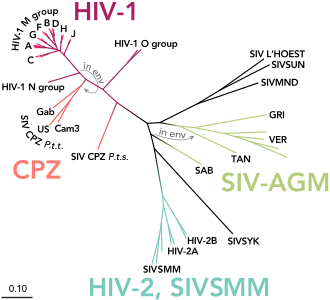
The applications of phylogenetics are vast and transformative across numerous scientific fields. In evolutionary biology, it provides the foundational framework for understanding speciation, adaptation, and the diversification of life. In medicine, phylogenetics is indispensable for epidemiology, tracing the origins and spread of infectious diseases, identifying reservoirs, and monitoring the evolution of pathogens like HIV, influenza, and SARS-CoV-2.
This informs public health strategies, vaccine development, and antiviral drug design. In conservation biology, phylogenetics helps prioritize species for protection by identifying evolutionarily distinct lineages or species at high risk of extinction, guiding biodiversity management and the establishment of conservation priorities. It also plays a role in forensic science and even in understanding the domestication history of crops and livestock.
Revisiting Life's Narrative
Phylogenetic research continually reshapes our understanding of life's history. The confirmation that birds are direct descendants of theropod dinosaurs, for instance, has fundamentally altered our perception of both groups. Similarly, the revelation of close evolutionary ties between whales and hippos, or the deep evolutionary roots connecting fungi to animals, highlights the interconnectedness of life.
Current research focuses on integrating multi-omics data (genomics, transcriptomics, proteomics), improving evolutionary models to account for complex evolutionary processes, and developing methods for analyzing massive, rapidly growing datasets. The ongoing quest to resolve the deepest branches of the tree of life and understand the evolutionary trajectories of all organisms promises further profound discoveries about our planet's biological heritage.
Go deeper
Based on content from Wikipedia · Licensed under CC BY-SA 4.0