

Peremech: The Yummy Fried Pocket!
Images
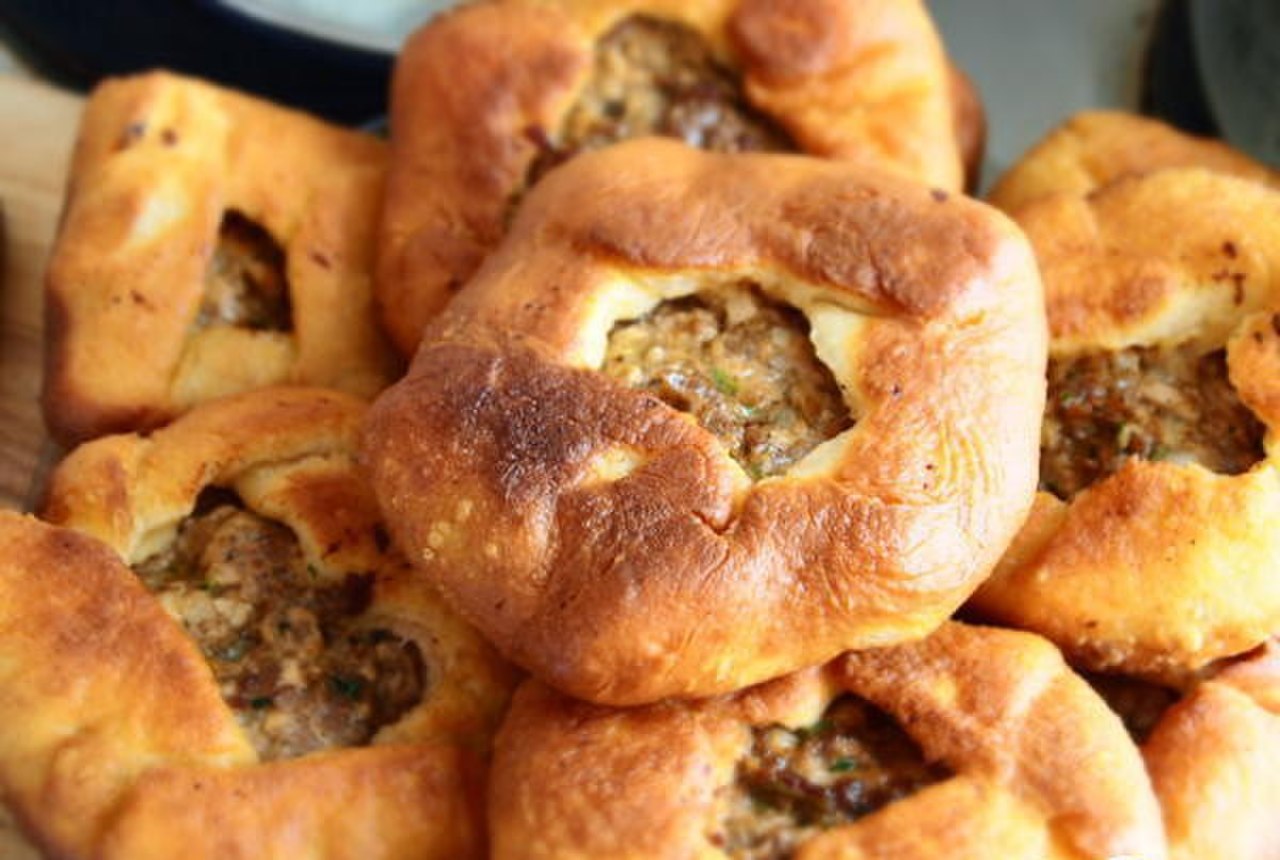
Peremech
The Anatomy and Appeal of Peremech
Peremech stands as a testament to the rich culinary heritage of the Volga Tatar and Bashkir peoples. At its core, it is an individual-sized fried dough pastry, distinguished by its unique construction. The dough, which can be either unleavened or leavened, is shaped into a flattened sphere.
Its most iconic feature is the circular 'window' on the top surface, a deliberate design choice that reveals the filling within. This is not merely aesthetic; it’s a functional element that allows for visual inspection of the filling and contributes to even cooking. While traditionally filled with finely chopped, pre-cooked meat, the modern iteration often features raw ground meat, which cooks within the pastry during frying.
Alternative fillings like mashed potatoes or quark offer versatility, catering to diverse palates. The contrast between the crispy, golden-brown exterior and the savory interior makes peremech a deeply satisfying culinary experience.
Tracing the Historical Threads of Peremech
The history of peremech offers a glimpse into evolving culinary practices and resourcefulness. Early versions utilized finely chopped, pre-cooked meat as a filling. This approach may have been born out of necessity, perhaps to efficiently utilize leftovers or to ensure the meat was thoroughly cooked before being encased in dough.
Over time, a significant shift occurred towards using raw ground meat. This transition likely reflects advancements in food preparation techniques, increased availability of ground meat, and a desire for quicker cooking times. The raw meat cooks inside the pastry as it fries, melding its flavors with the dough.
This evolution from pre-cooked to raw filling highlights the dynamic nature of traditional cuisine, demonstrating how recipes adapt to changing lifestyles and available ingredients while retaining their fundamental identity. The very name 'peremech' itself is rooted in the Tatar language, underscoring its deep cultural origins.
The Significance of the 'Window' and Culinary Adaptations
The defining characteristic of a traditional peremech is its open-top design, the 'window.' This feature differentiates it from other filled pastries like doughnuts or empanadas. The dough is meticulously worked around this central opening, creating a distinctive shape that is both visually appealing and practical. It serves as a preview of the filling, inviting anticipation.
Furthermore, this design facilitates the even cooking of the filling. In contrast, modern variations, particularly those known as 'belyashi' in Russia and other post-Soviet nations, sometimes omit this window, opting for a fully enclosed pastry. The term 'belyash' itself is believed to derive from the Tatar word 'bəleş,' which refers to a larger, baked pie typically filled with meat and potatoes.
This linguistic connection reveals how culinary terms and forms can evolve and influence one another across cultures and time periods.
Peremech's Journey from Local Staple to Global Street Food
While deeply rooted in Tatar and Bashkir traditions, peremech has achieved broader recognition. In Russia and neighboring post-Soviet countries, the meat-filled version, often referred to as 'belyash,' has become a ubiquitous street food. Its popularity alongside other fried pastries like pirozhki and chiburekki speaks to a shared appreciation for convenient, flavorful, and portable snacks.
The pastry has even made its way to Finland, appearing in Tampere in the 1960s as 'pärämätsi,' showcasing its international migration. Traditionally, peremech is often accompanied by accompaniments that complement its richness. Serving it with broth provides a warm, savory contrast, while fermented dairy products like qatiq (a type of yogurt) or ayran offer a refreshing tang that cuts through the richness of the fried dough and meat filling.
This thoughtful pairing enhances the overall dining experience, solidifying peremech's place as a culturally significant and widely enjoyed food.
See also
Frequently Asked Questions
What is a peremech?+
Why does a peremech have a window on top?+
How is a peremech made?+
What kinds of fillings can go inside a peremech?+
Where can I find a peremech?+
Based on content from Wikipedia · Licensed under CC BY-SA 4.0