

Ópera: Madrid's Underground Art Station!
Images

Banda Sinfónica de la Policía Nacional en la Temporada de Ópera 2011


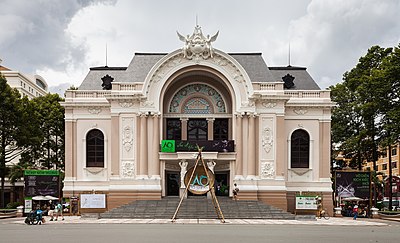


The Architectural Canvas
Ópera station, situated in the heart of Madrid, represents a paradigm shift in the design of public transportation spaces. Its transformation in 2007 transcended mere aesthetic enhancement; it was a deliberate act of integrating high art into the daily lives of commuters. The station's architecture serves as a vast canvas for an extensive mosaic installation, a project that redefined the visual identity of this vital urban artery.
The mosaics, characterized by their vibrant color palettes and dynamic compositions, are not confined to isolated panels but flow seamlessly across platforms, tunnels, and ceilings. This immersive approach envelops passengers in a continuous visual narrative, fostering a unique spatial experience that contrasts sharply with the utilitarian nature of traditional metro environments. The design choices reflect a commitment to creating public spaces that are not only functional but also inspiring and culturally enriching, demonstrating how urban planning can actively contribute to the aesthetic quality of city life and the well-being of its inhabitants.
Genesis of a Masterpiece
The revitalization of Ópera station was an ambitious undertaking, merging artistic vision with complex engineering solutions. The concept was to create a station that would be recognized globally for its artistic merit, thereby enhancing Madrid's cultural landscape. The mosaic artwork, a collaborative effort involving artists and specialized craftspeople, required meticulous planning and execution.
Each tessera, a small piece of colored glass or stone, was carefully selected and placed to achieve specific visual effects, from subtle gradients to bold, graphic patterns. The scale of the project meant that thousands of these individual pieces had to be meticulously adhered and grouted, ensuring both aesthetic integrity and structural durability. This process highlights the intricate relationship between artistic intent and the practicalities of large-scale public art installation, showcasing how innovative techniques can bring ambitious creative visions to fruition within challenging architectural constraints.
Cultural Resonance and Urban Revitalization
Ópera station's significance lies in its role as a catalyst for cultural engagement and urban revitalization. By embedding art within the fabric of everyday transit, it democratizes access to artistic expression, making it an integral part of the urban experience for all citizens, regardless of their background or prior engagement with the arts. This integration serves to elevate the perception of public spaces, transforming them from mere conduits of movement into destinations that foster civic pride and cultural identity.
The station's international acclaim has also bolstered Madrid's image as a forward-thinking city that champions art and design. It provides a compelling example of how public infrastructure projects can be leveraged not only for functional improvement but also as powerful tools for cultural enrichment, community building, and the enhancement of a city's global appeal, demonstrating a holistic approach to urban development.
The Language of Mosaics
The mosaic art adorning Ópera station speaks a visual language composed of color, light, and form. The choice of materials-primarily glass and stone tesserae-contributes significantly to the station's luminous quality. Glass tesserae, often with metallic or iridescent finishes, capture and reflect light, creating a dynamic and ever-changing visual field that responds to the movement of people and trains.
The precise arrangement and juxtaposition of these tesserae allow for a nuanced representation of imagery and abstract patterns, ranging from intricate figurative elements to sweeping, organic forms. The durability of mosaics ensures the longevity of the artwork, making it a sustainable form of public art. This meticulous craftsmanship not only results in a visually stunning environment but also imbues the station with a sense of permanence and artistic legacy, offering a profound connection between the transient experience of travel and the enduring power of art.
Ópera's Legacy
Ópera station stands as a beacon for the burgeoning field of artful urbanism, demonstrating the profound impact that thoughtful artistic integration can have on public spaces. Its success has inspired similar projects worldwide, encouraging city planners and architects to view transportation hubs not just as functional necessities but as opportunities for cultural expression and community enhancement. The station's design philosophy underscores the idea that art can be a powerful tool for improving the quality of urban life, fostering a sense of place, and promoting social cohesion.
By transforming a utilitarian space into an engaging artistic environment, Ópera station has set a high standard for future urban development, proving that innovation in design can lead to more vibrant, inspiring, and human-centered cities. Its enduring beauty continues to captivate, serving as a constant reminder of art's transformative power in the urban landscape.
See also
Frequently Asked Questions
What is Ópera station in Madrid?+
Why were mosaics added to Ópera station?+
How many pieces of glass or stone were used in the mosaics?+
When did Ópera station change into an art station?+
Who helped create the mosaics at Ópera station?+
Based on content from Wikipedia · Licensed under CC BY-SA 4.0