

People's Republic of China
Images

File:Embassy of the People's Republic of China in Japan.jpg


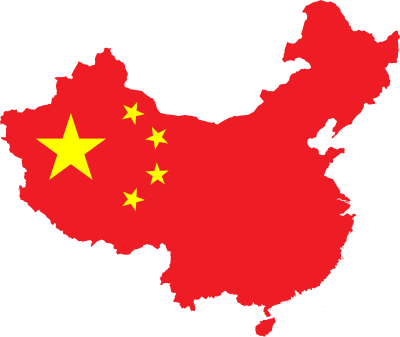


Geographical Tapestry
The People's Republic of China's vast territory, spanning approximately 9.6 million square kilometers, presents an extraordinary geographical diversity. Its western regions are dominated by the towering Himalayas and the Tibetan Plateau, the 'Roof of the World,' featuring extreme altitudes and harsh climates. Moving eastward, the landscape transitions through arid basins like the Tarim Basin, vast grasslands, and eventually to fertile river valleys and extensive coastlines along the Pacific Ocean.
Major river systems, including the Yangtze and Yellow Rivers, have historically been cradles of civilization, supporting agriculture and dense populations. China's climate ranges from subarctic in the north to tropical in the south, with significant variations in rainfall and temperature. This geographical mosaic influences everything from its agricultural output and resource distribution to its biodiversity and the distribution of its population, which is heavily concentrated in the eastern plains and coastal areas.
Millennia of Civilization
China boasts one of the world's oldest continuous civilizations, with archaeological evidence dating back thousands of years. Its history is characterized by the rise and fall of powerful dynasties, each contributing to its cultural, technological, and political development. Innovations such as papermaking, printing, gunpowder, and the compass originated in China, profoundly impacting global history.
The construction of the Great Wall, initiated over two millennia ago, stands as a testament to ancient engineering and strategic defense. The 20th century brought immense upheaval, including the end of imperial rule, periods of civil war, and the establishment of the People's Republic of China in 1949 under the leadership of the Communist Party. This transition marked a radical shift, aiming to modernize the nation and reshape its place in the world, building upon its rich historical foundations while forging a new path.
A Nation of Many
With a population exceeding 1.4 billion, China is the most populous country globally, presenting unique demographic challenges and opportunities. While Mandarin Chinese (Putonghua) is the official language and lingua franca, over 300 distinct languages and dialects are spoken across its diverse regions, reflecting its complex ethnic makeup. The Han Chinese constitute the vast majority, but there are 55 officially recognized ethnic minority groups, each with its own traditions and cultural practices.
Chinese culture is a rich tapestry woven from millennia of philosophy (Confucianism, Taoism), art (calligraphy, ink painting), literature, and festivals like the Spring Festival (Lunar New Year). The concept of 'face' (mianzi) and the importance of family and community are deeply ingrained. The nation's commitment to preserving its cultural heritage while embracing modernity is a defining characteristic.
From Planned Economy to Global Market
Following its establishment, the People's Republic of China initially pursued a centrally planned economy, emphasizing heavy industry and agricultural collectivization. However, since the late 1970s, China has undergone a remarkable economic transformation, implementing market-oriented reforms and opening up to foreign investment. This has propelled it to become the world's second-largest economy and a leading global manufacturer and exporter, often referred to as the 'world's factory.' Key industries include electronics, textiles, automotive, and advanced manufacturing.
China is also a major player in global trade, with significant investments and trade relationships worldwide. This rapid growth has lifted hundreds of millions out of poverty but has also led to significant environmental challenges, such as air and water pollution, which the government is increasingly prioritizing to address.
Governance and Global Standing
The People's Republic of China is a socialist republic governed by the Communist Party of China (CPC). The political system is highly centralized, with the CPC holding a monopoly on power. The National People's Congress is the highest state organ, but its decisions are largely guided by the Party.
The President serves as the head of state, and the Premier heads the government. China's foreign policy emphasizes sovereignty, non-interference, and multilateralism, though it increasingly asserts its influence on the global stage. Its growing economic and military power has led to complex relationships with other major powers, particularly the United States, and significant engagement in international organizations and initiatives like the Belt and Road Initiative.
The nation faces ongoing challenges related to human rights, regional autonomy, and maintaining social stability amidst rapid economic and social change.
See also
Frequently Asked Questions
What is the People's Republic of China?+
Why do people say China has a "Roof of the World"?+
How many people live in China?+
What languages do people speak in China?+
What are some inventions that came from China?+
Based on content from Wikipedia · Licensed under CC BY-SA 4.0