

Peat Swamp Forests: The Squishy, Soggy Jungles!
Images
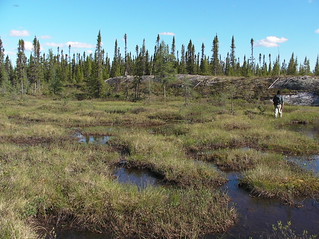
Tourbière / Peat bog


Geomorphological and Hydrological Characteristics
Peat swamp forests are a distinct type of tropical wetland ecosystem characterized by waterlogged soils that impede aerobic decomposition, leading to the accumulation of thick layers of peat. This peat, composed of partially decomposed organic matter, can reach depths of several meters, creating a unique substrate that influences hydrology and nutrient cycling. These forests typically occur in low-lying coastal or inland basins, often adjacent to lowland rainforests on better-drained soils and mangrove forests closer to the coast.
The high water table is a defining feature, creating anaerobic conditions that are crucial for peat formation and the preservation of organic carbon. The acidity of the peat further inhibits microbial activity, contributing to the slow decomposition rates.
The Critical Role in Global Carbon Cycles
Peat swamp forests are globally significant carbon reservoirs, storing an immense amount of terrestrial organic carbon, often far exceeding that found in adjacent forests on mineral soils. Peat formation is a natural carbon sequestration process; when the rate of organic matter production surpasses its decomposition, the surplus accumulates as peat. This makes peatlands vital carbon sinks, playing a crucial role in regulating atmospheric carbon dioxide levels and mitigating climate change.
The stability of these vast carbon stores is paramount. However, disturbances such as deforestation and drainage can accelerate decomposition, releasing stored carbon into the atmosphere as CO2, thereby exacerbating global warming.
Biodiversity Hotspots and Endemic Species
These unique ecosystems harbor a rich and specialized biodiversity, providing critical habitats for a multitude of plant and animal species, many of which are endemic or endangered. The specific environmental conditions-high water levels, acidic soils, and unique vegetation structure-support a specialized flora and fauna. Iconic species such as the orangutan and the Sumatran tiger depend on these forests for survival, facing severe threats to their habitats due to ongoing deforestation and land-use change.
The ecological importance of peat swamp forests extends to their role in supporting complex food webs and maintaining regional ecological balance.
Anthropogenic Pressures and Ecological Devastation
Tropical peat swamp forests are among the most threatened biomes globally, facing severe pressure from human activities. Since the mid-20th century, extensive deforestation and drainage have occurred, particularly in Southeast Asia, primarily for agricultural expansion (e.g., palm oil plantations) and logging. Drainage renders the peat susceptible to desiccation and combustion, leading to frequent and devastating peat fires.
These fires release massive quantities of greenhouse gases and particulate matter, impacting regional air quality and global climate. Climate phenomena like the El Niño Southern Oscillation (ENSO) exacerbate these threats by causing prolonged droughts, increasing fire risk, and accelerating peatland degradation. The combination of deforestation, drainage, and fire poses an existential threat to these vital ecosystems.
Conservation Challenges and Research Imperatives
Despite their immense ecological and climatic importance, tropical peat swamp forests remain poorly understood and under-researched. This lack of comprehensive knowledge hinders effective conservation strategies. Key challenges include the difficulty of managing vast, remote, and often waterlogged areas, the economic pressures driving land conversion, and the complex socio-political factors involved.
Urgent research is needed to better understand peatland ecology, carbon dynamics, and the long-term impacts of disturbance. Effective conservation requires integrated approaches, including sustainable land-use planning, robust fire prevention and management, community engagement, and international cooperation to protect these irreplaceable natural assets and their role in climate regulation.
See also
Frequently Asked Questions
What is a peat swamp forest?+
Why do peat swamp forests matter for the planet?+
How can draining or cutting down trees hurt peat swamp forests?+
What animals depend on peat swamp forests?+
Can we help protect peat swamp forests?+
Based on content from Wikipedia · Licensed under CC BY-SA 4.0