

Patache: Speedy Ships of the Past!
Images
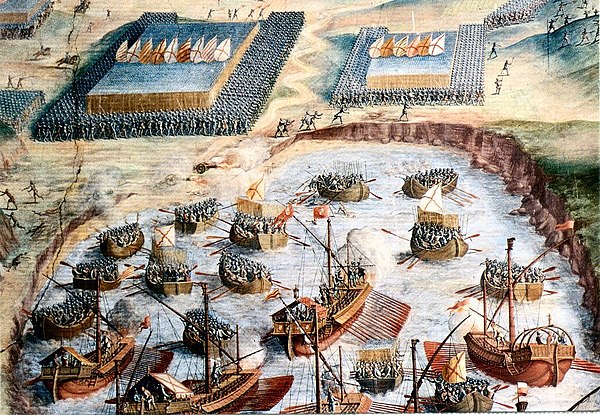
Patache
Defining the Patache
The patache represents an intriguing category of sailing vessel, characterized by its two-masted configuration and a design prioritizing speed and shallow draft. Often described as a hybrid between a brig and a schooner, its construction was notably light and shallow, allowing for exceptional maneuverability and the ability to navigate waters inaccessible to larger warships. Historically, the patache emerged as a specialized naval craft, primarily employed for coastal surveillance, port inspection, and as a tender to larger fleet formations.
Its role was akin to that of a maritime police force or a fast-response unit, tasked with maintaining order, gathering intelligence, and providing logistical support to more substantial vessels. This strategic deployment leveraged its agility to monitor coastlines and harbors effectively, ensuring security and facilitating naval operations.
Evolution of Purpose
While its origins were firmly rooted in military and patrol duties, the patache's inherent capabilities soon lent themselves to commercial applications. The same attributes that made it an effective scout-speed and maneuverability-also made it an attractive option for trade. As maritime commerce expanded, the patache proved capable of carrying significant cargo, with capacities reported at 30 tons or more.
This transition from a warship to a trading vessel highlights the economic pragmatism that often drove maritime innovation. The ability to perform both roles efficiently meant that shipbuilders and owners could maximize the utility and profitability of these vessels, adapting them to the evolving demands of global trade and exploration across vast expanses like the Pacific.
Strategic Significance and Operational Advantages
The importance of the patache in its historical context cannot be overstated. Its speed provided a critical advantage in an era reliant on wind power, enabling rapid communication, timely reconnaissance, and swift interdiction of potential threats. The shallow draft was equally significant, granting access to numerous coastal areas, river mouths, and smaller harbors that were beyond the reach of deeper-keeled vessels.
This accessibility facilitated trade in less developed regions and allowed for more comprehensive coastal patrols. As a tender, it extended the operational reach and effectiveness of larger fleets, acting as a vital link in the chain of command and logistics. The patache thus embodied a crucial balance of speed, capacity, and accessibility, making it a highly valuable asset for maritime powers.
Technical Aspects
The sailing characteristics of a patache would have been determined by its specific rigging, likely incorporating elements of both brig and schooner designs. A common configuration might involve square sails on the foremast for power and fore-and-aft sails on the mainmast and possibly a mizzenmast, allowing for better windward performance and easier handling. This mixed rig would have provided a balance of speed and the ability to sail closer to the wind compared to purely square-rigged vessels.
The light construction, while contributing to speed, would also have presented challenges in terms of seaworthiness in heavy weather, necessitating careful seamanship and potentially limiting its operational range in the roughest seas. Its design was a calculated trade-off, optimizing for specific operational environments and tasks.
Legacy and Influence on Maritime Design
While the specific term 'patache' may not be widely recognized today, the vessel type represents a significant evolutionary step in sailing ship design. Its emphasis on speed, shallow draft, and multi-role capability influenced subsequent developments in both naval and commercial shipping. The adaptability demonstrated by the patache-transitioning from military patrol to cargo transport-reflects a recurring theme in maritime history where versatile designs are favored.
Although modern shipping relies on engine power, the historical pursuit of efficient hull forms and sail plans, exemplified by vessels like the patache, laid the groundwork for advancements that continue to shape naval architecture and maritime commerce. Its existence underscores the ingenuity of early shipbuilders in meeting diverse operational requirements.
See also
Frequently Asked Questions
What is a patache?+
Why were pataches so fast?+
How many masts does a patache have?+
What jobs did pataches do for the navy?+
Did pataches carry cargo?+
Based on content from Wikipedia · Licensed under CC BY-SA 4.0