

Parasitism: The Ultimate Hitchhikers!
Images
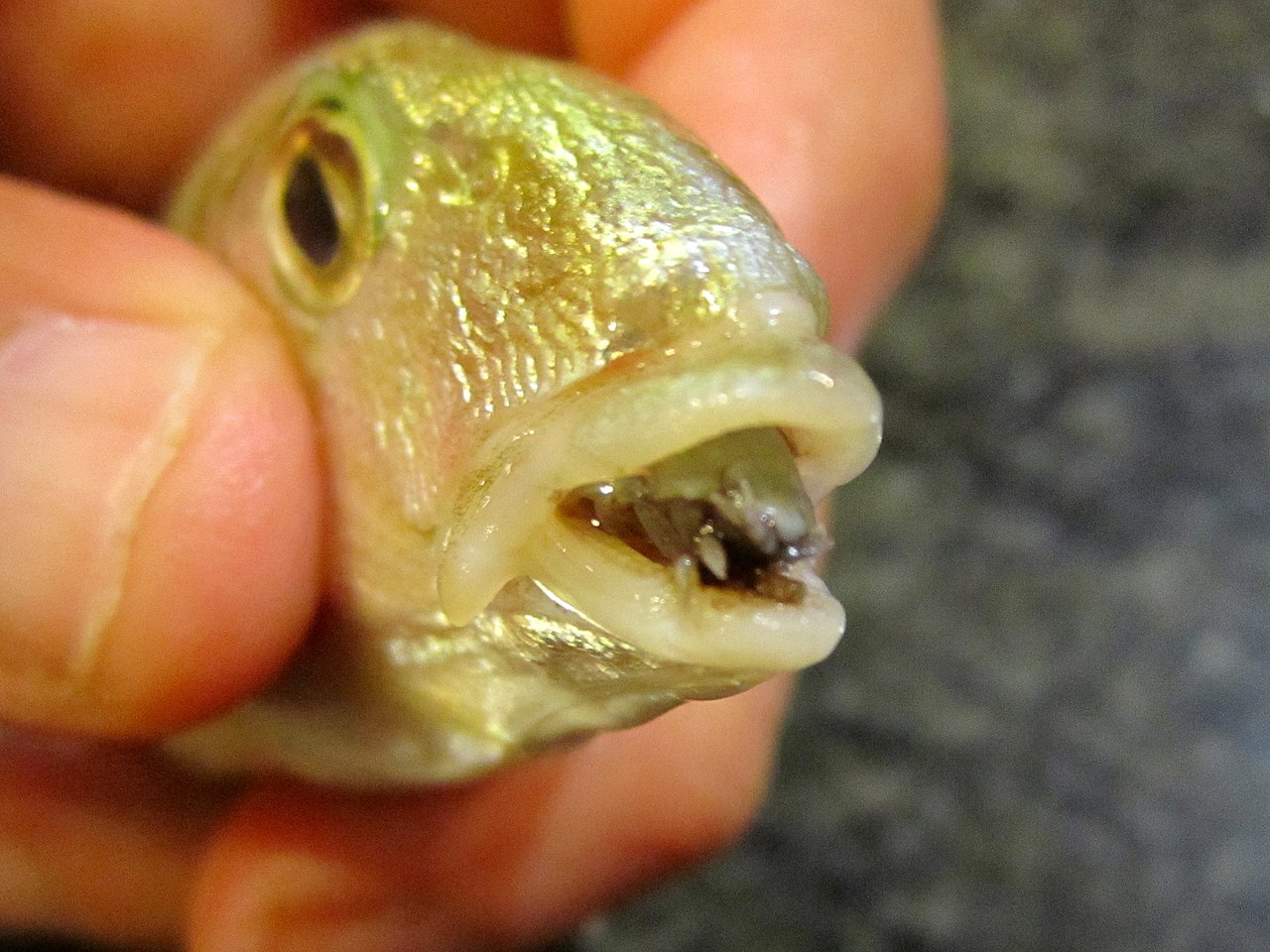
Parasitism


The Ubiquitous Nature of Parasitic Lifestyles
Parasitism represents one of the most prevalent and diverse ecological strategies on Earth, profoundly influencing biodiversity and ecosystem function. It is a symbiotic relationship characterized by an intimate association where the parasite derives resources from its host, typically causing detrimental effects. Unlike predation, parasitism often involves prolonged contact, with parasites evolving mechanisms to evade host immune responses and maintain their living environment.
The sheer variety of parasitic organisms is staggering, encompassing viruses, bacteria, archaea, fungi, protists, and metazoans, each exploiting different host resources and occupying unique ecological niches. This widespread phenomenon underscores the evolutionary success of deriving sustenance and shelter from other living beings, making it a cornerstone of many food webs and a significant driver of natural selection.
Diverse Habitats and Host Specificity
Parasites have successfully colonized every conceivable habitat, from the deepest oceans to the driest deserts, and from the surface of leaves to the internal organs of their hosts. Aquatic environments teem with parasitic invertebrates, fish, and even marine mammals. Terrestrial ecosystems host a vast array of ectoparasites (living on the exterior) and endoparasites (living within the interior) of insects, birds, and mammals.
Host specificity is a key factor in parasite ecology; some parasites are monoxenous, infecting only a single host species, while others are polyxenous, capable of infecting multiple species. This specificity is often driven by the co-evolutionary adaptations required to overcome host defenses, such as specific immune evasion strategies or the ability to utilize unique host biochemical pathways. The distribution and abundance of parasites are thus intricately linked to the distribution and abundance of their hosts.
Sophisticated Feeding Strategies and Host Manipulation
Parasites exhibit an extraordinary array of feeding strategies, honed by millions of years of evolution to maximize nutrient acquisition while minimizing host mortality. Hematophagy, the consumption of blood, is common among arthropods like mosquitoes and ticks, which possess specialized mouthparts for piercing and anticoagulants to facilitate feeding. Intestinal parasites, such as cestodes and nematodes, often possess adhesive structures and absorb digested nutrients directly from the host's gut lumen, sometimes reaching immense sizes.
Beyond direct nutrient acquisition, many parasites engage in host manipulation, altering host behavior to enhance parasite transmission. This can include inducing phototaxis in ants to facilitate spore dispersal by fungi, or causing fish to exhibit erratic swimming patterns to increase their chances of being preyed upon by the definitive host. Such behavioral manipulation represents a remarkable level of control over the host's nervous system.
Ecological Significance and Evolutionary Dynamics
Parasites are not mere biological curiosities; they are critical regulators of host population dynamics, influencing community structure and ecosystem processes. By reducing host fitness, parasites can prevent single species from dominating, thereby increasing biodiversity. They also act as conduits for energy and nutrient transfer through food webs, often linking different trophic levels.
In terms of evolution, parasites are powerful selective agents. The constant battle between parasite and host drives rapid adaptation, leading to intricate co-evolutionary arms races. Host immune systems evolve defenses, while parasites evolve countermeasures, creating a dynamic equilibrium.
Studying these interactions provides invaluable insights into the mechanisms of speciation, genetic drift, and the maintenance of genetic diversity within populations.
The Spectrum of Parasitic Interactions and Future Implications
The line between parasitism and other symbiotic relationships can sometimes be blurred, with some interactions exhibiting characteristics of both parasitism and mutualism or commensalism. For instance, some parasites may provide a benefit to their host under specific environmental conditions. The study of parasitism is also increasingly relevant in the context of global change, as factors like climate change and habitat fragmentation can alter host-parasite dynamics, potentially leading to novel disease outbreaks.
Understanding the complex interplay between parasites and their hosts is essential for developing effective strategies for disease control, conservation biology, and for appreciating the intricate web of life that sustains our planet.
Go deeper
Frequently Asked Questions
What is parasitism?+
How do parasites stay on their hosts without being killed?+
Are parasites only found on animals?+
Can parasites change how their hosts act?+
Why are parasites important for nature?+
Based on content from Wikipedia · Licensed under CC BY-SA 4.0