

Paleoclimatology
Images

Basin and Range National Monument


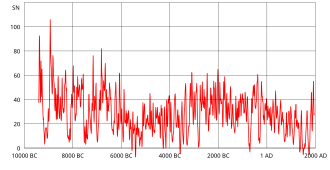


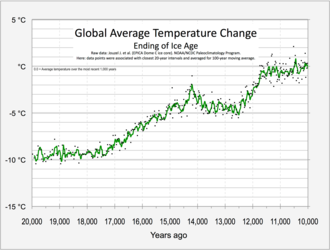
The Imperative of Pre-Instrumental Climate Reconstruction
Paleoclimatology is the scientific discipline focused on reconstructing past climates that existed before the advent of meteorological instruments. Instrumental records, while invaluable, represent a mere sliver of Earth's extensive climatic history. Understanding these ancient climates is paramount for discerning natural climate variability, identifying long-term trends, and contextualizing contemporary climate change. By examining archives that preserve climatic information, paleoclimatologists provide critical data for validating climate models, assessing the Earth system's sensitivity to various forcings, and comprehending the profound impacts of climate shifts on biodiversity and geological processes.
This field bridges the gap between historical observations and the deep past, offering essential insights into Earth's dynamic climatic evolution.
Leveraging Earth's Natural Archives and Dating Techniques
The reconstruction of past climates relies on a diverse array of proxy methods, drawing from geological, biological, and glaciological sciences. These proxies are natural archives that have recorded environmental conditions over time. For instance, ice cores drilled from polar ice sheets contain trapped air bubbles that provide direct samples of past atmospheric composition, as well as isotopic ratios that reveal past temperatures. Tree rings exhibit variations in width and density influenced by precipitation and temperature, while marine and lake sediments preserve microfossils (like foraminifera and ostracods) whose chemical composition (e.g., oxygen isotopes) reflects ocean temperature and salinity.
Corals also record oceanographic conditions in their skeletal growth bands. Accurately dating these proxies using techniques like radiocarbon dating, dendrochronology, and stratigraphic correlation is fundamental to establishing robust chronological frameworks for paleoclimate reconstructions.
Significance
The study of paleoclimatology holds immense significance for understanding our present and future climate. By analyzing past climate shifts, such as the frequent glaciations that have shaped continents or abrupt warming events like the Paleocene-Eocene Thermal Maximum (PETM), scientists gain a deeper appreciation for the Earth system's resilience and vulnerability. The PETM, for example, saw a rapid increase in global temperatures and ocean acidification, leading to significant biodiversity loss and subsequent recovery, offering parallels to current anthropogenic warming.
Paleoclimate records demonstrate that Earth's climate is inherently variable and can undergo rapid, substantial changes. This historical perspective is vital for assessing the unprecedented rate and magnitude of current warming and its potential consequences for ecosystems, sea levels, and human societies, informing adaptation and mitigation strategies.
Case Studies
Paleoclimatological research has illuminated numerous dramatic climate episodes. The study of glacial-interglacial cycles, driven by Milankovitch cycles and amplified by feedback mechanisms, reveals periods where vast ice sheets covered large portions of the Northern Hemisphere, lowering sea levels by over 100 meters. Conversely, the Younger Dryas event represents a rapid, albeit temporary, return to glacial conditions during the last deglaciation, highlighting the potential for abrupt climate shifts.
The Paleocene-Eocene Thermal Maximum (PETM), approximately 56 million years ago, is characterized by a rapid injection of carbon into the atmosphere, leading to a global temperature increase of 5-8°C over tens of thousands of years, profound ocean acidification, and significant biotic turnover. These extreme events serve as natural experiments, providing invaluable data on climate sensitivity and the cascading effects of climatic perturbations.
Go deeper
Frequently Asked Questions
What is paleoclimatology?+
How do scientists learn about Earth's old weather?+
What are ice cores and why are they important?+
Why do scientists study the Paleocene-Eocene Thermal Maximum (PETM)?+
How can studying past ice ages help us today?+
Based on content from Wikipedia · Licensed under CC BY-SA 4.0