

Ottawa Ankle Rules: The Super Sleuths of Sprains!
Images
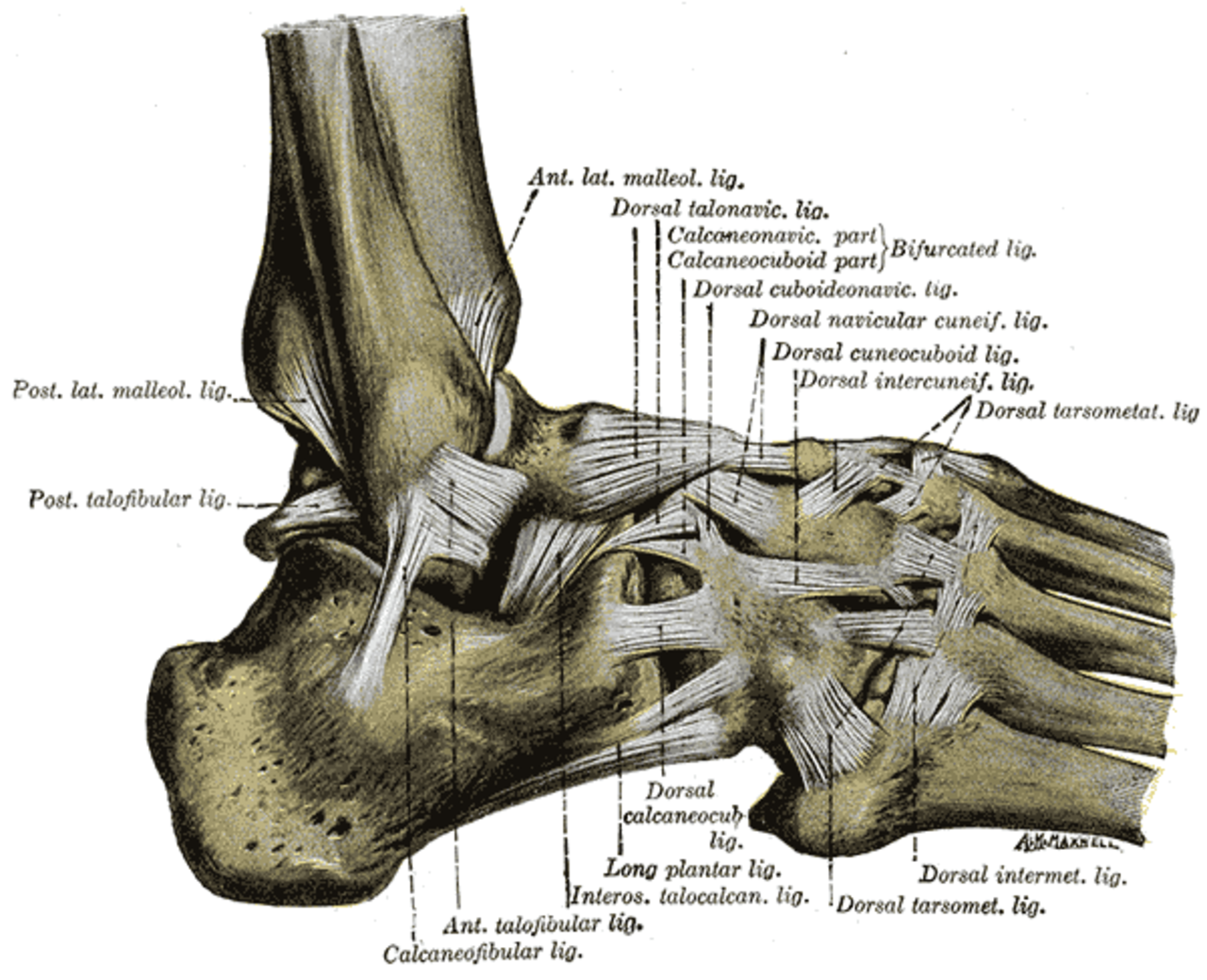
Ottawa ankle rules
The Genesis of Precision
The introduction of the Ottawa Ankle Rules marked a significant paradigm shift in the diagnostic approach to acute ankle and foot injuries. Prior to their widespread adoption, the prevailing clinical practice often involved ordering radiographs for a broad spectrum of patients presenting with ankle pain, regardless of the severity or specific mechanism of injury. This approach, while seemingly cautious, led to a high rate of negative X-rays-meaning no fractures were identified.
Such widespread imaging incurred substantial healthcare costs, consumed valuable radiologist and technologist time, and exposed patients to ionizing radiation, a known carcinogen. Recognizing these inefficiencies and potential harms, researchers sought to develop a more targeted and evidence-based method for identifying patients who would benefit most from radiographic assessment.
From Observation to Algorithm
Developed in Canada during the late 1980s and early 1990s, the Ottawa Ankle Rules emerged from rigorous clinical research aimed at creating a reliable decision-making tool. The rules were derived from prospective studies involving thousands of patients presenting with lower extremity injuries. The research focused on identifying specific clinical findings-palpable bone tenderness at key anatomical landmarks and the ability to ambulate-that were highly predictive of a fracture.
These findings were then synthesized into a concise set of criteria. Subsequent validation studies across diverse populations and healthcare settings confirmed the high sensitivity and specificity of the rules, demonstrating their effectiveness in accurately ruling out fractures when applied correctly.
The Clinical Utility and Significance of the Ottawa Ankle Rules
The primary significance of the Ottawa Ankle Rules lies in their ability to enhance diagnostic accuracy while simultaneously optimizing resource utilization. By providing clinicians with a clear, objective framework, the rules help to differentiate between injuries requiring immediate radiographic evaluation and those that can be managed conservatively with appropriate follow-up. This targeted approach leads to a substantial reduction in unnecessary X-ray examinations, thereby decreasing healthcare expenditures and alleviating the burden on radiology departments.
Furthermore, by minimizing radiation exposure, the rules contribute to patient safety. Their implementation has been shown to improve patient flow in emergency departments and urgent care settings, allowing for quicker triage and treatment of those with genuine fractures.
Deconstructing the Criteria
The application of the Ottawa Ankle Rules involves a systematic clinical assessment. The rules stipulate that an X-ray series of the ankle is warranted if there is pain in the malleolar zone (the area around the ankle bones) coupled with bone tenderness at either the posterior or distal aspect of the medial malleolus (inner ankle bone) or the posterior or distal aspect of the lateral malleolus (outer ankle bone). Similarly, an X-ray of the foot is indicated if there is pain in the midfoot zone accompanied by bone tenderness at the navicular bone (on the medial side of the foot) or the base of the fifth metatarsal (on the lateral side of the foot).
Crucially, the rules also mandate an X-ray if the patient is unable to bear weight, defined as being unable to take four steps, either immediately after the injury or during the clinical examination. This comprehensive approach ensures that most clinically significant fractures are identified.
Broader Implications and Future Directions in Diagnostic Pathways
The success of the Ottawa Ankle Rules has served as a powerful precedent for the development of similar clinical decision rules across various medical domains, particularly in musculoskeletal and emergency medicine. These rules exemplify the principles of evidence-based practice, demonstrating how rigorous research can translate into tangible improvements in patient care and healthcare system efficiency. While highly effective, ongoing research continues to refine these tools and explore their application in different patient populations, such as pediatric or elderly individuals, where fracture patterns and presentations may vary.
The legacy of the Ottawa Ankle Rules underscores the importance of critical appraisal of diagnostic strategies and the continuous pursuit of smarter, safer, and more cost-effective healthcare solutions.
See also
Frequently Asked Questions
What are the Ottawa Ankle Rules?+
Why do doctors use the Ottawa Ankle Rules instead of always doing X-rays?+
How do the Ottawa Ankle Rules decide if an ankle needs an X-ray?+
Where do doctors look for pain and tenderness when using the Ottawa Ankle Rules?+
What happens if a child can’t walk after hurting their ankle?+
Based on content from Wikipedia · Licensed under CC BY-SA 4.0