

Opole
Images

Opole




Geographical Significance and Urban Fabric of Opole
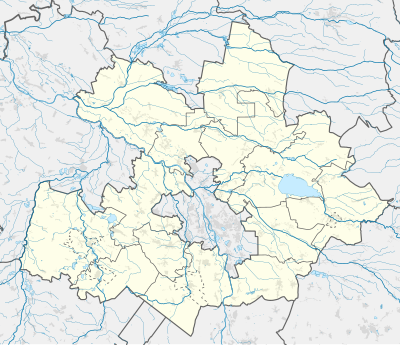
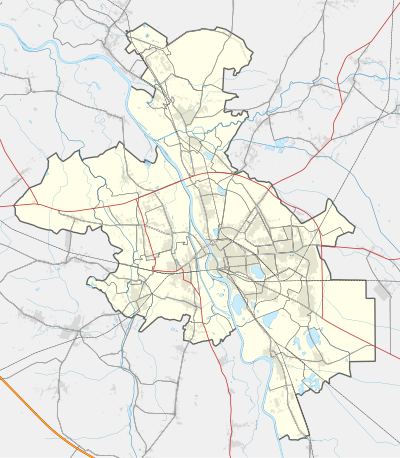
Opole, strategically positioned in southern Poland along the Oder River, serves as the administrative and cultural heart of the Opole Voivodeship. Its geographical location has historically dictated its role as a vital transit point. The city's population, numbering around 127,387 in 2021, with a metropolitan area reaching 146,522, underscores its status as the largest urban center within its province.
The moniker 'Polish Venice' is not merely aesthetic; it reflects a deliberate urban design that incorporates canals and numerous bridges, creating a unique cityscape that enhances its appeal and navigates its watery environment. This integration of natural and engineered waterways is a defining characteristic, influencing both the city's visual identity and its historical development as a navigable hub.
Opole's Historical Trajectory
The historical narrative of Opole is exceptionally deep, with origins tracing back to the 8th century, marking it as one of Poland's most ancient urban settlements. Its early significance as a stronghold evolved by 1172 into the capital of a duchy, a testament to its political and military importance in medieval Poland. The granting of city rights in 1217 by Duke Casimir I was a pivotal moment, catalyzing its growth into a major commercial center during the Medieval and Renaissance periods.
The confluence of several key trade routes facilitated substantial transit trade, fostering economic prosperity. The 19th century brought further transformation with the establishment of a regency seat in 1816 and the crucial opening of its first railway connection in 1843, linking it to major cities like Wrocław. The subsequent construction of manufacturing plants from 1859 onwards solidified its industrial base and amplified its regional influence, laying the groundwork for its modern development.
A Crucible of Cultures
Opole's identity is profoundly shaped by its history as a crossroads of Central European powers. The city has experienced periods of rule under Bohemian, Austrian, Prussian, and German administrations, each leaving an indelible mark on its cultural landscape, architecture, and societal norms. Formally reintegrated into Poland in 1945 following World War II, Opole continues to navigate this complex heritage.
While the region is home to a significant population with German ancestry, and ethnic Germans constitute a small percentage of the city's current population, the legacy of these diverse influences remains. This historical layering contributes to Opole's unique cultural fabric, making it a fascinating case study in regional identity formation and the enduring impact of historical political boundaries on contemporary society.
Opole as an Educational and Cultural Epicenter
In contemporary times, Opole has solidified its position as a significant center for higher education and cultural expression. The city hosts four key higher education institutions: Opole University, Opole University of Technology, a Medical College, and the private Higher College of Management and Administration. These institutions attract a diverse student body and contribute to the city's intellectual vibrancy and research output.
Culturally, Opole is perhaps most renowned for the National Festival of Polish Song, an annual event that has been a cornerstone of Polish musical heritage since 1963. This festival, alongside a continuous calendar of regular events, fairs, shows, and competitions, ensures Opole remains a dynamic hub for artistic performance and public engagement, fostering a strong sense of community and cultural pride.
See also
Frequently Asked Questions
What makes Opole special?+
Why is Opole called the "Polish Venice"?+
How old is Opole?+
What is the National Festival of Polish Song?+
What universities are in Opole?+
Based on content from Wikipedia · Licensed under CC BY-SA 4.0