

Observatory: Your Window to the Universe!
Images
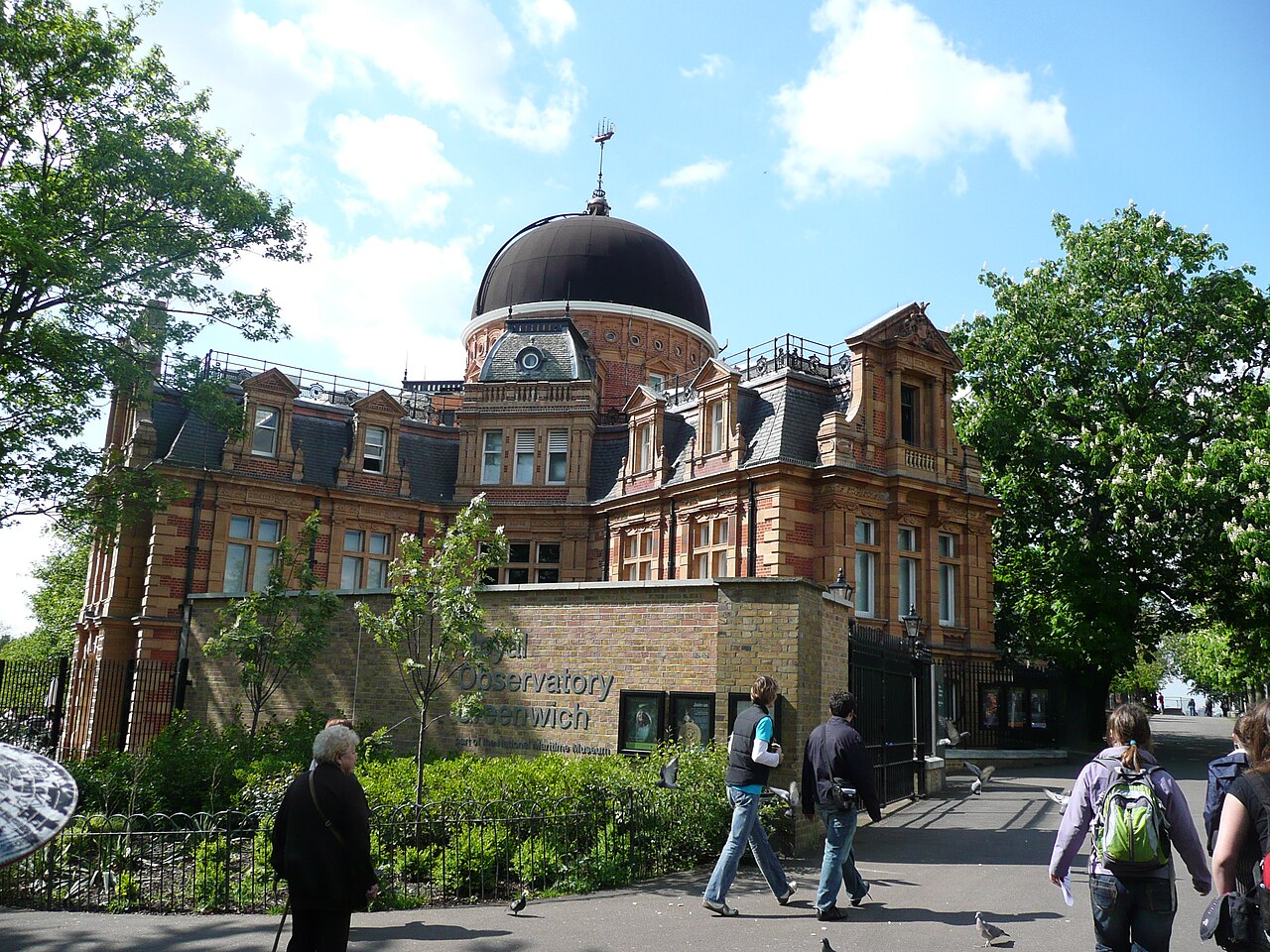
Observatory


Defining the Observatory
An observatory is fundamentally a site or institution dedicated to the systematic observation of phenomena, whether terrestrial or celestial. While the popular image is dominated by astronomical observatories, characterized by their large domes housing optical or radio telescopes, the concept extends to a wide array of scientific disciplines. This includes meteorological observatories that track atmospheric conditions for weather forecasting and climate studies, geophysical observatories monitoring seismic activity and Earth's magnetic field, oceanographic facilities studying marine environments, and volcanological stations observing volcanic activity.
The term has even been adopted metaphorically for institutions that compile and analyze data on specific subjects, such as public health or economic trends, underscoring the universal importance of dedicated observation and data compilation in understanding complex systems.
Historical Trajectory
The practice of systematic observation is as old as civilization itself. Ancient cultures constructed megalithic sites like Stonehenge and developed sophisticated calendars based on meticulous astronomical observations, demonstrating an early understanding of celestial mechanics. The Renaissance and the Scientific Revolution marked a pivotal shift with the invention of the telescope, transforming astronomy and leading to the establishment of dedicated observatories.
Early observatories, such as the Royal Observatory, Greenwich, were established not only for astronomical research but also for navigation and timekeeping. Over centuries, these facilities evolved dramatically, driven by advancements in optics, mechanics, and electronics. The 20th and 21st centuries have seen the rise of space-based observatories and sophisticated ground-based arrays, pushing the boundaries of what can be observed and understood.
The Indispensable Role of Observatories in Modern Science
Observatories are indispensable pillars of modern scientific endeavor. In astronomy, they are crucial for exploring the universe's origins, searching for exoplanets, understanding dark matter and dark energy, and mapping cosmic structures. The data they gather forms the bedrock of astrophysical theories.
For Earth sciences, observatories provide critical real-time data for disaster mitigation and long-term environmental monitoring. Meteorological observatories are essential for climate modeling and predicting extreme weather events, while geophysical and volcanological observatories offer vital insights into planetary dynamics and hazards, directly impacting public safety and infrastructure planning. Their role extends to fundamental research, enabling discoveries that shape our understanding of the cosmos and our own planet's intricate systems.
Mechanisms of Observation
The operational principles of observatories vary widely based on their scientific focus. Astronomical observatories employ a range of telescopes designed to capture different parts of the electromagnetic spectrum, from radio waves to gamma rays. Key technologies include large mirrors for optical telescopes, sensitive receivers for radio telescopes, and advanced detectors for high-energy radiation.
Location is paramount, with sites chosen to minimize atmospheric distortion (e.g., high altitudes, dry climates) and light pollution. Earth science observatories utilize diverse instrumentation: seismometers detect ground vibrations, GPS networks track tectonic plate movement, weather stations measure atmospheric parameters, and remote sensing technologies provide broad-scale environmental data. Sophisticated data processing and analysis techniques are integral to extracting meaningful information from the raw observations.
Global Network
Observatories are distributed globally, often forming international collaborations to maximize observational capabilities. Examples include the Atacama Large Millimeter/submillimeter Array (ALMA) in Chile, a premier facility for studying the cold universe, and the James Webb Space Telescope, an orbital observatory providing unprecedented views of the early universe. On Earth, networks like the Global Seismographic Network provide continuous monitoring of seismic activity worldwide.
Beyond traditional scientific fields, the concept of an 'observatory' has expanded to include institutions like the European Observatory for SMEs or public health observatories, which systematically collect and disseminate data to inform policy and research. This broad application highlights the enduring value of dedicated, systematic observation in addressing complex societal and scientific challenges.
Go deeper
Frequently Asked Questions
What is an observatory?+
Why do astronomers use big domes?+
How do observatories help us with weather?+
Where do scientists choose to put observatories?+
When did people start building observatories?+
Based on content from Wikipedia · Licensed under CC BY-SA 4.0