

Nutty Wonders: Nature's Tiny Treasures!
Images
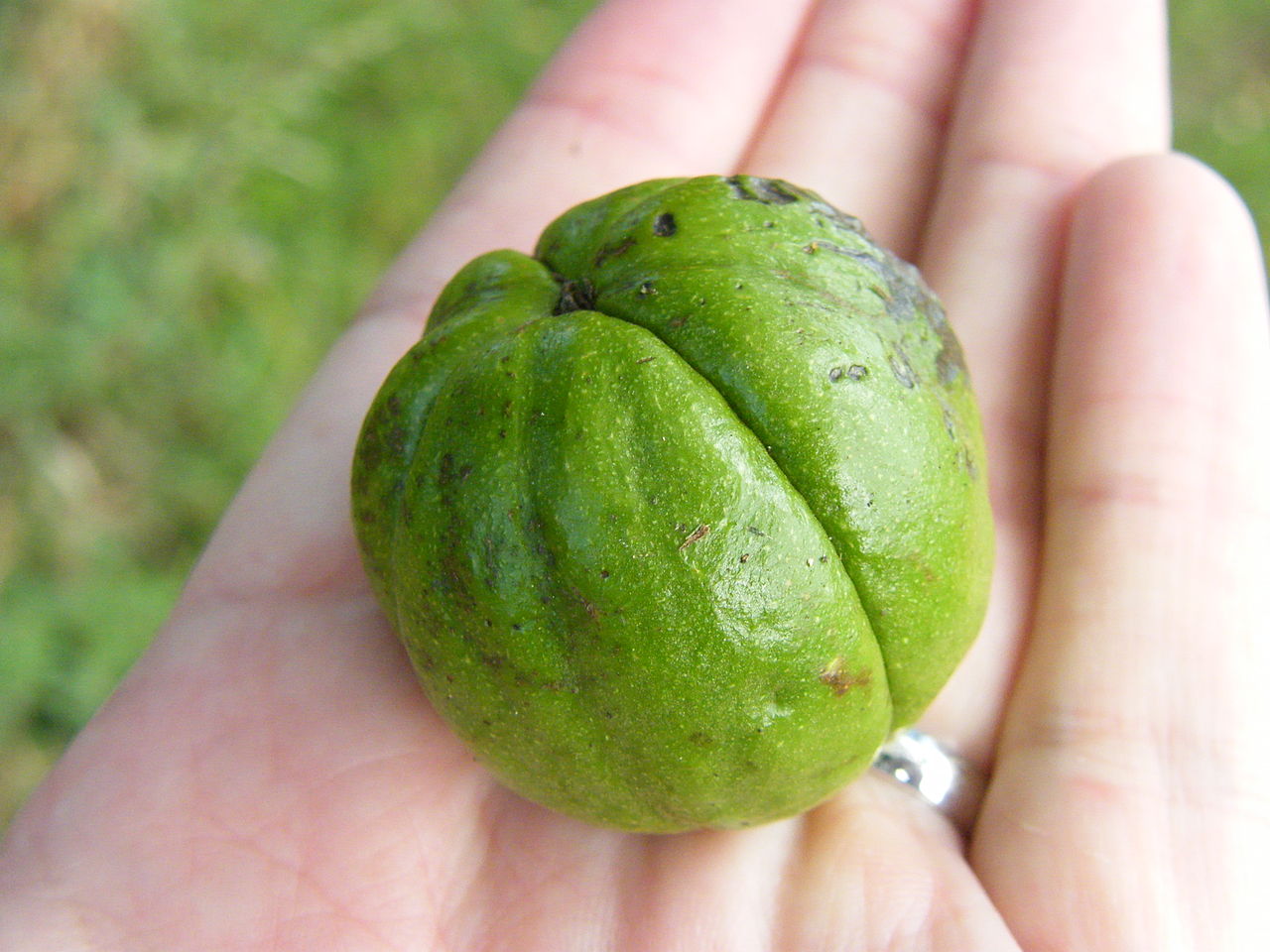
Hickory nut fruit


Defining the True Nut
The term 'nut' presents a fascinating dichotomy between strict botanical classification and widespread culinary usage. Botanically, a nut is a specific type of simple dry fruit characterized by a hard or leathery shell (pericarp) enclosing a single seed (though occasionally two). Crucially, true nuts are indehiscent, meaning their shells do not split open at maturity to release the seed.
Instead, the seed remains free within the hardened pericarp. This structure originates from a compound ovary. Examples that fit this precise definition include hazelnuts (Corylus avellana), chestnuts (Castanea spp.), and acorns (Quercus spp.).
The hard shell provides robust protection against environmental factors and predation, ensuring the viability of the seed for germination, a key adaptation for species relying on delayed dispersal or protection over extended periods.
The Culinary Nut
In culinary contexts, the definition of a nut expands considerably, encompassing various seeds and fruits that share similar hard shells and are used similarly in cooking and as snacks. This broader category includes items that are botanically distinct. For instance, almonds (Prunus dulcis) and walnuts (Juglans regia) are botanically classified as drupes, fruits with a fleshy outer layer (which is typically absent or inedible in these cases) surrounding a hard shell containing the seed.
Peanuts (Arachis hypogaea) are legumes, belonging to the same family as beans and peas, and develop underground. Despite these botanical discrepancies, their hard coverings, nutritional profiles (rich in fats and proteins), and culinary applications lead to their common classification as nuts. This divergence highlights how practical use and common language can shape our understanding of natural categories.
Ecological Roles and Evolutionary Significance
Nuts play a profoundly important role in terrestrial ecosystems. Their high energy content makes them a vital food resource for a wide array of wildlife, including rodents, birds, and even larger mammals. This reliance has driven co-evolutionary relationships; for example, squirrels' caching behavior (burying nuts) inadvertently aids in seed dispersal and forest regeneration.
The indehiscent nature of true nuts, while protective, can sometimes limit dispersal range compared to fruits with more active seed-spreading mechanisms. However, their durability ensures that seeds can survive unfavorable conditions, increasing the chances of successful germination when environmental factors become conducive. This resilience contributes to the persistence and propagation of nut-bearing tree species.
Nutritional Powerhouses and Agricultural Importance
Beyond their ecological functions, nuts are globally significant agricultural products and nutritional powerhouses for humans. They are rich sources of healthy monounsaturated and polyunsaturated fats, plant-based proteins, fiber, vitamins (like Vitamin E and B vitamins), and minerals (such as magnesium, potassium, and zinc). This dense nutritional profile contributes to their recognized health benefits, including cardiovascular protection.
The economic importance of nuts is substantial, with global trade in almonds, walnuts, cashews, and pistachios reaching billions of dollars annually. Their versatility in cuisine, from raw consumption to incorporation into baked goods, sauces, and dairy alternatives, underscores their value as a food source.
See also
Frequently Asked Questions
What is a true nut in botanical terms?+
Why do squirrels bury nuts?+
Are almonds and walnuts real nuts?+
What makes nuts good for animals and people?+
How do nuts help trees survive tough times?+
Based on content from Wikipedia · Licensed under CC BY-SA 4.0