

The Big UK Vote!
Images

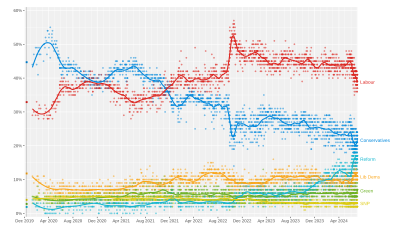
Opinion polling for the next United Kingdom general election


The Constitutional Imperative
The next United Kingdom general election, constitutionally mandated to occur no later than August 15, 2029, represents a pivotal moment in the nation's democratic cycle. This electoral event is not merely a procedural formality; it is the fundamental mechanism through which the electorate grants a mandate to a political party or coalition to govern. The outcome directly shapes the composition of the House of Commons, the primary legislative body.
The party or alliance securing a majority of seats in this chamber typically forms Her Majesty's Government, with its leader assuming the role of Prime Minister. This process is central to the UK's uncodified constitution, ensuring that executive power is periodically legitimized by popular consent. The timing of the election, while having a statutory maximum, can be influenced by political strategy, adding a layer of dynamic tension to the electoral calendar.
The Electoral Landscape
The general election determines the representatives for each of the UK's 650 constituencies in the House of Commons. The 'first past the post' electoral system means that the candidate with the most votes in each constituency wins, regardless of whether they achieve an overall majority of votes cast. This system can lead to disproportionate results, where a party can win a significant majority of seats with less than 50% of the national vote.
Understanding this dynamic is crucial to grasping how governments are formed and how power is distributed. The election campaign period is a critical phase where parties articulate their manifestos, engage in public debate, and attempt to persuade voters. The media plays a significant role in shaping public perception and scrutinizing policy proposals.
The results have far-reaching consequences for domestic policy, economic strategy, and international relations.
Significance Beyond the Ballot Box
The importance of a general election extends far beyond the immediate formation of a government. The policies enacted by the elected government have profound and lasting impacts on all facets of society and the economy. Decisions made regarding healthcare funding, educational reforms, environmental regulations, taxation, and social welfare programs are all direct consequences of the electoral outcome.
Furthermore, the election influences the UK's standing on the global stage, affecting trade agreements, diplomatic relations, and its role in international organizations. For businesses, the election introduces an element of uncertainty regarding future economic policies, while for citizens, it shapes the services they receive and the opportunities available to them. It is a cornerstone of democratic accountability, allowing the populace to hold their representatives to account and steer the nation's trajectory.
The Mechanics of Democracy
The electoral process is a complex, multi-stage operation. Political parties select candidates to stand in each constituency. On election day, eligible citizens cast their votes at designated polling stations, typically using a ballot paper to mark their preferred candidate.
The votes are then meticulously counted, and the results for each constituency are announced. The aggregate of these results determines which parties have won seats in the House of Commons. A party or coalition that secures a majority of the seats forms the government.
If no party achieves a majority, a hung parliament results, often leading to complex negotiations for a coalition government or a minority government. This intricate system ensures that the government of the day is accountable to Parliament and, ultimately, to the electorate.
See also
Frequently Asked Questions
What is the UK general election?+
When must the next UK general election happen?+
How are members of the House of Commons chosen?+
What happens if a party wins a majority of seats?+
Why is the election important for everyday life?+
Based on content from Wikipedia · Licensed under CC BY-SA 4.0