

Neolamprologus pulcher
Images
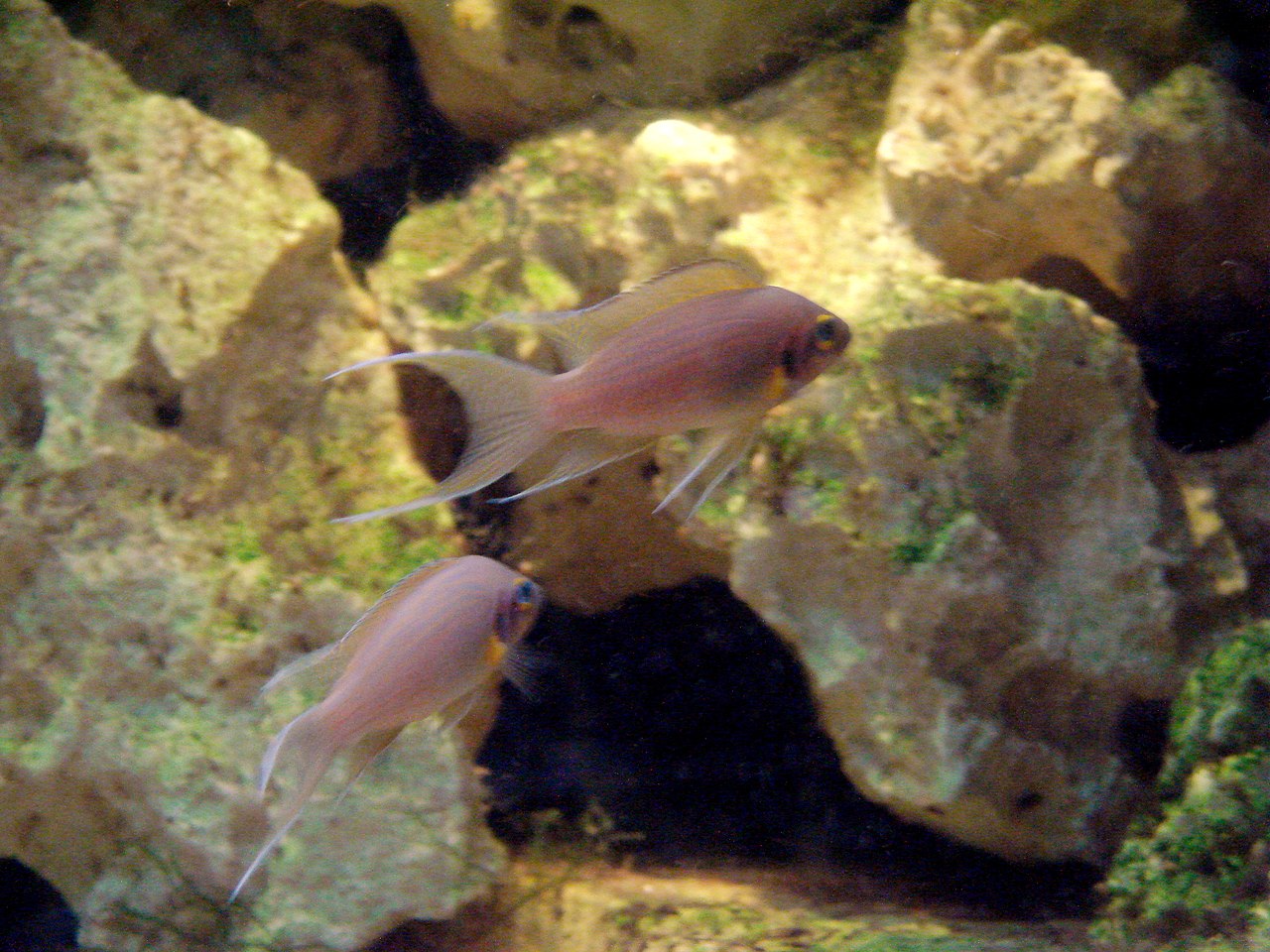
Neolamprologus pulcher (Wroclaw zoo)


The Endemic Jewel of Lake Tanganyika
Neolamprologus pulcher, a species of cichlid, is exclusively found in the vast and ancient waters of Lake Tanganyika, East Africa. This endemic status means its entire natural population resides within this single, massive freshwater lake, making its conservation intrinsically linked to the health of this unique aquatic environment. The species thrives in littoral zones characterized by rocky substrates interspersed with sandy areas and significant sedimentation.
These environments provide crucial microhabitats for shelter, breeding, and foraging. Reaching a modest maximum length of 10 centimeters (3.9 inches) standard length, N. pulcher is a relatively small cichlid, yet its ecological impact and behavioral complexity are considerable. Its common names, such as the Fairy Cichlid, Princess of Zambia, and Lyretail Cichlid, reflect its striking appearance and geographical association, hinting at its ornamental value and the cultural significance it may hold.
Ecological Role and Habitat Specialization
Within the complex ecosystem of Lake Tanganyika, N. pulcher occupies a specific ecological niche. Its habitat preference for sedimentary, rocky areas is not merely for shelter but is integral to its foraging strategy. As an omnivore, its diet consists of benthic algae and small invertebrates, such as insect larvae and crustaceans, which are abundant in these substrate-rich environments.
The fish meticulously sift through the sediment and crevices, extracting these food sources. This specialized feeding behavior contributes to nutrient cycling within its habitat. The species' adaptation to these specific conditions underscores the importance of habitat preservation in Lake Tanganyika, as any significant alteration to these sedimentary zones could directly impact N. pulcher populations.
Its presence also serves as an indicator of the health of these near-shore benthic communities.
Complex Social Structures and Cooperative Breeding
Perhaps the most captivating aspect of Neolamprologus pulcher is its sophisticated social organization and cooperative breeding system. These cichlids live in family groups, often consisting of a breeding pair and several generations of non-breeding helpers. These helpers, typically offspring from previous broods, forgo their own reproduction to assist the dominant pair in raising their young.
Their roles can include defending the territory against intruders, cleaning the nest site, and guarding the fry. This altruistic behavior is a significant evolutionary adaptation, increasing the overall reproductive success of the group. Such complex social dynamics are rare in the animal kingdom and highlight the advanced behavioral repertoire of this species, making it a subject of considerable interest in ethology and evolutionary biology.
Aquarium Trade and Conservation Implications
The striking beauty and engaging social behaviors of Neolamprologus pulcher have led to its popularity in the global aquarium trade. This widespread availability in pet stores means that many individuals are kept outside their native habitat, allowing for observation of their behaviors in controlled environments. While this trade can provide economic benefits and educational opportunities, it also carries responsibilities.
Sustainable harvesting practices and captive breeding programs are essential to ensure that the wild populations in Lake Tanganyika are not depleted. The 'Least Concern' conservation status suggests that current wild populations are stable, but continued monitoring is crucial, especially given the environmental pressures facing Lake Tanganyika, including pollution and invasive species. The aquarium trade, when managed responsibly, can also contribute to conservation awareness and funding for in-situ protection efforts.
See also
Frequently Asked Questions
What does Neolamprologus pulcher look like and how big is it?+
Where does Neolamprologus pulcher live?+
What does Neolamprologus pulcher eat?+
How do Neolamprologus pulcher families help each other?+
Why is it important to keep Neolamprologus pulcher in aquariums safely?+
Based on content from Wikipedia · Licensed under CC BY-SA 4.0