

National Pearl Harbor Remembrance Day
Images

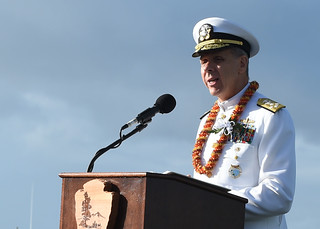
161201-N-BR087-026



The Unforeseen Catalyst
On December 7, 1941, the Imperial Japanese Navy Air Service launched a devastating surprise aerial assault on the U.S. naval base at Pearl Harbor, Hawaii. This attack, executed without a declaration of war, aimed to neutralize the American Pacific Fleet and prevent U.S. interference in Japan's planned military actions in Southeast Asia and the Pacific. The raid resulted in the deaths of 2,403 Americans and wounded 1,178 more.
Eight U.S. Navy battleships were damaged, and four were sunk. The attack was a profound shock, shattering America's isolationist stance and galvanizing public opinion.
It served as the immediate casus belli, propelling the United States into World War II, a conflict that would redefine global power dynamics and usher in a new era of international engagement for the nation.
Legislative Foundation
In the decades following World War II, the memory of Pearl Harbor was kept alive through various commemorations and memorials. However, it wasn't until August 23, 1994, that December 7th was officially designated as National Pearl Harbor Remembrance Day by U.S. Public Law 103–308, signed by President Bill Clinton.
This legislative act codified the annual observance, ensuring a consistent and nationwide recognition of the event. The law, now codified as 36 U.S.C. § 129, mandates the flying of the American flag at half-staff until sunset on December 7th. This formal recognition underscores the historical gravity of the attack and its lasting impact on American foreign policy and national identity.
The Enduring Significance
National Pearl Harbor Remembrance Day serves a multifaceted purpose. Primarily, it is a solemn occasion to honor the 2,403 American service members and civilians who perished in the attack, acknowledging their sacrifice and the profound loss experienced by their families and the nation. Beyond remembrance, the day functions as a critical historical marker, reminding contemporary society of the devastating consequences of surprise aggression and the high cost of war.
It prompts reflection on the decisions that led to America's involvement in World War II and the subsequent global responsibilities it assumed. By commemorating Pearl Harbor, the U.S. reinforces its commitment to vigilance and the pursuit of peace, ensuring that the lessons learned from that fateful day are not forgotten.
Observance and Legacy
While not a federal holiday, the observance of National Pearl Harbor Remembrance Day is marked by specific traditions and events. The directive to fly the U.S. flag at half-staff is a visible and widespread symbol of mourning and respect. Many institutions, including military organizations, museums, and historical societies, host memorial services, lectures, and educational programs.
These events often feature Pearl Harbor survivors, veterans, and historians, providing firsthand accounts and deeper context. The day's observance is crucial for intergenerational transmission of historical knowledge, ensuring that the sacrifices made at Pearl Harbor continue to inform national consciousness and underscore the importance of international diplomacy and preparedness in preventing future tragedies.
See also
Frequently Asked Questions
What is National Pearl Harbor Remembrance Day?+
Why do people fly the flag at half‑staff on December 7th?+
When was December 7th officially made a remembrance day?+
How many people died in the Pearl Harbor attack?+
Why do schools and museums talk about Pearl Harbor on this day?+
Based on content from Wikipedia · Licensed under CC BY-SA 4.0