

Australia's Awesome Treasure Chest!
Images
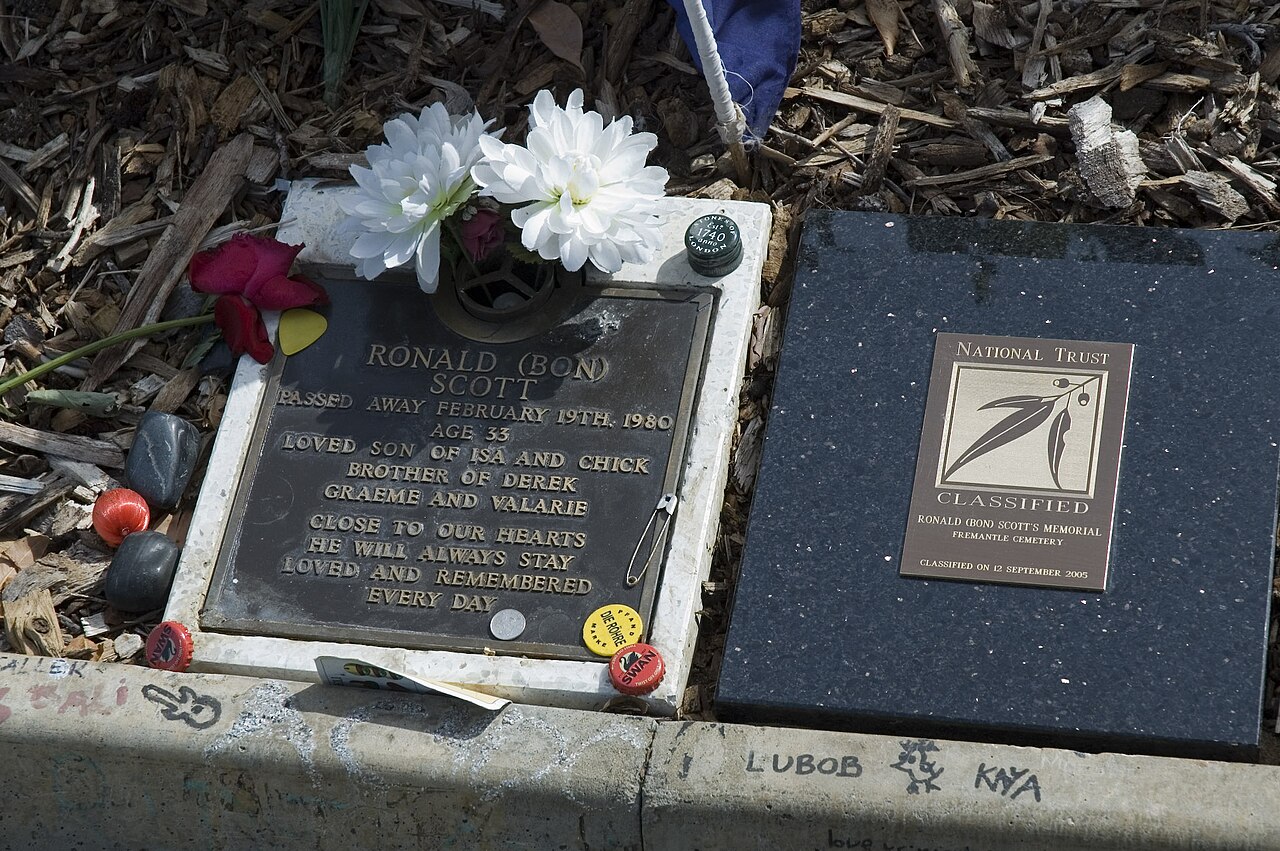
Grave of Bon Scott, Fremantle Cemetery, Western Australia - 20060218


The Genesis and Purpose of the National Heritage List
Established in 2003, the National Heritage List (NHL) represents a cornerstone of Australia's heritage protection framework. Its creation was driven by the need to identify and safeguard places of outstanding heritage significance to the nation. The list is not merely an inventory; it is a legal designation that triggers specific protections under federal law.
It encompasses a broad spectrum of heritage values, including natural, Indigenous, and historic significance, reflecting the multifaceted story of Australia. The NHL serves as a powerful tool for national identity, connecting contemporary Australians to the deep past and the unique environmental characteristics of their continent. It aims to ensure that these irreplaceable assets are managed responsibly and preserved for future generations, fostering a sense of shared custodianship.
Diverse Heritage Values
The places inscribed on the National Heritage List are remarkably diverse, illustrating the breadth of Australia's heritage. Natural heritage sites include spectacular landscapes, unique ecosystems, and significant geological formations that showcase the continent's ancient geological history and extraordinary biodiversity. Indigenous heritage places are of profound cultural and spiritual importance, representing thousands of years of continuous connection to Country by Aboriginal and Torres Strait Islander peoples.
These sites often hold sacred knowledge, traditional practices, and evidence of ancient human ingenuity. Historic heritage places commemorate significant events, people, and developments that have shaped Australia's social, political, and economic trajectory, from colonial settlement to industrialisation and beyond. This comprehensive approach ensures that the list reflects the entirety of Australia's heritage narrative.
Legal Protections and Management Under the EPBC Act
Inclusion on the National Heritage List confers significant legal protections through the Environment Protection and Biodiversity Conservation Act 1999 (EPBC Act). This legislation mandates that any action that has, will have, or is likely to have a significant impact on a National Heritage listed place must be referred to the federal Minister for the Environment for assessment. This rigorous assessment process ensures that development proposals and other activities are scrutinised for their potential to harm heritage values.
The Act requires that decisions are made in a way that protects the national heritage, often involving conditions or prohibitions to mitigate adverse impacts. This legal framework is crucial for maintaining the integrity of listed places and ensuring their long-term survival against pressures from development and environmental change.
The Australian Heritage Database
All places recognised for their heritage significance in Australia, including those on the National Heritage List, are catalogued within the Australian Heritage Database. This extensive online resource provides detailed information about each place, its heritage values, and its listing status. It serves as a vital tool for researchers, policymakers, heritage managers, and the public, offering transparency and accessibility to information about Australia's heritage assets.
The database also includes places listed under other state and territory registers, as well as World Heritage sites, providing a holistic view of heritage conservation efforts in Australia. Its existence facilitates informed decision-making and promotes a broader understanding of the nation's rich and varied heritage.
Contemporary Relevance and Future Stewardship
The National Heritage List is not a static archive but a dynamic reflection of Australia's evolving understanding of its past and its environment. Its continued relevance lies in its role in guiding contemporary land use, development, and conservation efforts. By highlighting places of outstanding significance, the NHL encourages responsible stewardship and promotes public engagement with heritage issues.
It underscores the interconnectedness of natural and cultural heritage and the importance of protecting these values for social, economic, and intrinsic reasons. As Australia faces new environmental and societal challenges, the principles underpinning the National Heritage List remain critical for ensuring that the nation's most precious places are safeguarded for the benefit of all Australians and the world.
See also
Based on content from Wikipedia · Licensed under CC BY-SA 4.0