

Mycology: The Amazing World of Fungi!
Images
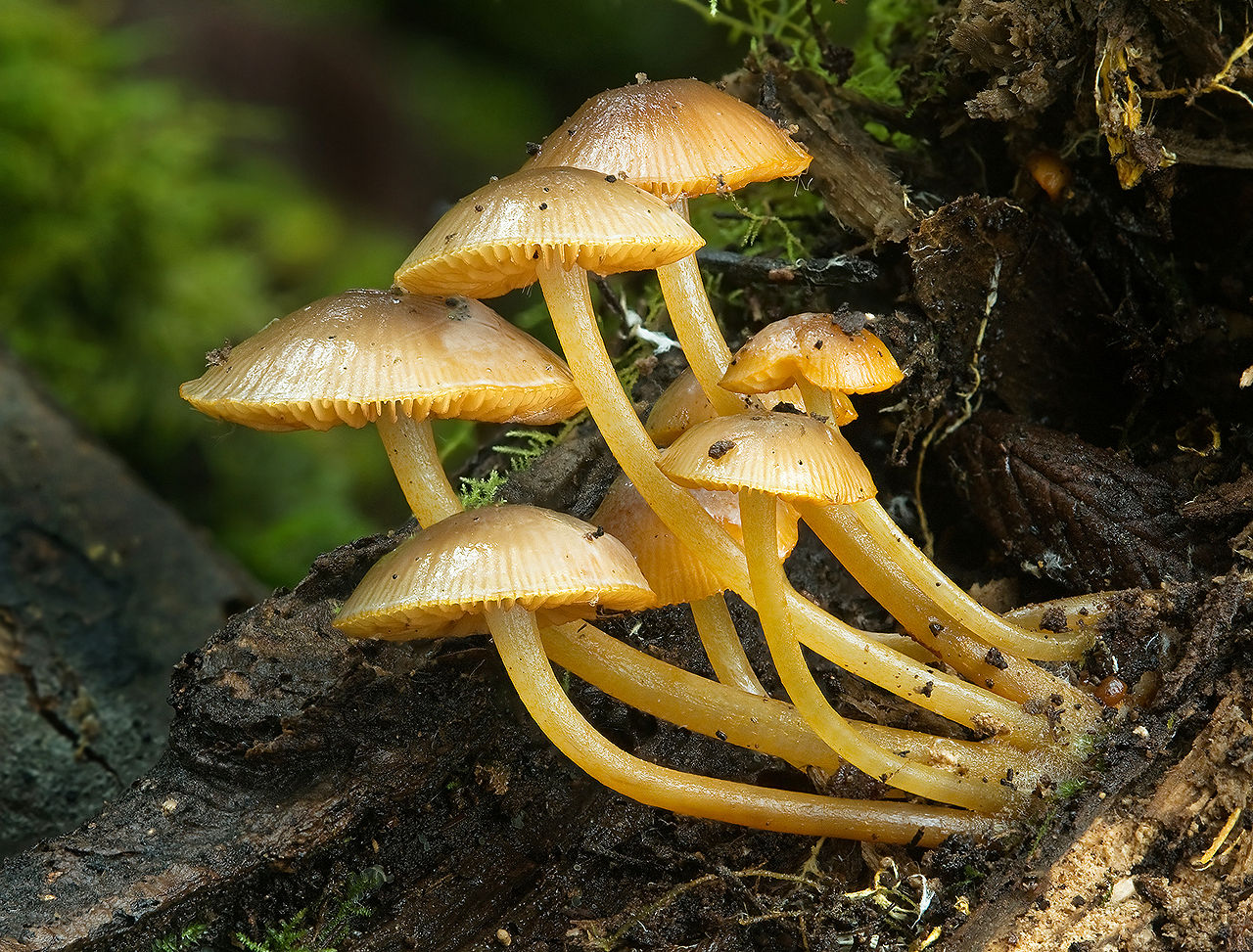
Mycology


Mycology
Mycology, the scientific discipline dedicated to the study of fungi, explores a unique kingdom of eukaryotic organisms distinct from plants and animals. Fungi are characterized by their chitinous cell walls and their heterotrophic nature, acquiring nutrients through absorption. This mode of nutrition underpins their profound ecological significance as primary decomposers.
They are indispensable in breaking down complex organic compounds, such as lignin and cellulose, thereby facilitating nutrient cycling and soil formation. Without the relentless work of fungi, terrestrial ecosystems would accumulate vast quantities of undecomposed organic matter, severely limiting nutrient availability for primary producers and disrupting biogeochemical cycles. Their roles extend to symbiotic relationships, including mycorrhizae, which are crucial for the health and nutrient uptake of most plant species, and lichens, a composite organism formed with algae or cyanobacteria.
A Historical and Modern Tapestry of Fungal Applications
The relationship between humans and fungi is ancient and multifaceted. Historically, fungi have been vital for food production, with yeasts revolutionizing baking and fermentation for alcoholic beverages. Certain fungi, like Penicillium roqueforti, are integral to the production of specific cheeses.
Beyond sustenance, fungi have been a cornerstone of modern medicine. The discovery of penicillin by Alexander Fleming in 1928, derived from the Penicillium mold, ushered in the antibiotic era, saving countless lives. Subsequent research has yielded a wealth of antifungal drugs, immunosuppressants (like cyclosporine, vital for organ transplantation), and statins for cholesterol management, all originating from fungal metabolites.
Mycology continues to investigate fungal compounds for novel therapeutic agents and biotechnological applications.
The Mycelial Network
The macroscopic fruiting body, the mushroom, represents only a fraction of a fungal organism. The true bulk lies in the mycelium, an extensive subterranean network of hyphae. This hidden biological infrastructure is far more than a passive nutrient-gathering system.
Research in mycology is increasingly revealing the complex roles of mycelium in soil structure, water retention, and inter-species communication. The concept of the 'wood wide web' describes how mycorrhizal fungi connect trees and plants, facilitating resource sharing and even signaling between individuals. Some fungal mycelial networks are among the largest and oldest living organisms on Earth, demonstrating remarkable resilience and interconnectedness within ecosystems.
Fungi in Biotechnology and Future Frontiers
The unique metabolic capabilities of fungi present immense opportunities for future innovation. Mycology is at the forefront of exploring fungi for bioremediation, utilizing their ability to break down pollutants, including plastics and petroleum products. Fungal enzymes are already employed in industrial processes, from textile manufacturing to biofuel production.
Furthermore, the development of myco-materials, such as fungal-based packaging and building insulation, offers sustainable alternatives to conventional materials. The potential for fungi as a sustainable protein source is also being actively researched. As our understanding deepens, mycology promises to unlock even more of the kingdom's potential to address global challenges in health, environment, and industry.
Challenges and the Expanding Scope of Mycology
Despite their ubiquity and importance, many fungal species remain undiscovered and uncharacterized. Mycology faces the challenge of taxonomic diversity and the difficulty in culturing many fungi in laboratory settings. Pathogenic fungi also pose significant threats to human health, agriculture, and natural ecosystems, necessitating ongoing research into their biology and control.
The field is continually evolving, integrating genomics, bioinformatics, and advanced imaging techniques to unravel the complexities of fungal life. From understanding fungal evolution to developing new applications, mycology remains a dynamic and critical area of scientific inquiry.
Go deeper
Frequently Asked Questions
What are fungi and how are they different from plants and animals?+
How do fungi help the Earth?+
Why do we use fungi to make medicine?+
What is mycelium and why is it important?+
Can fungi clean up pollution or help make new materials?+
Based on content from Wikipedia · Licensed under CC BY-SA 4.0