

Myalgic Encephalomyelitis/Chronic Fatigue Syndrome
Images

Petition presentation by M.E Support in Glamorgan 16-9-2014 (15234526046)




The Profound Exhaustion of ME/CFS
Myalgic encephalomyelitis/chronic fatigue syndrome (ME/CFS) is a complex, multisystemic chronic illness that profoundly impacts individuals' lives. The hallmark symptom is debilitating fatigue that is not relieved by rest and is often described as a complete lack of energy. This fatigue is not merely sleepiness; it is an overwhelming exhaustion that significantly impairs daily functioning.
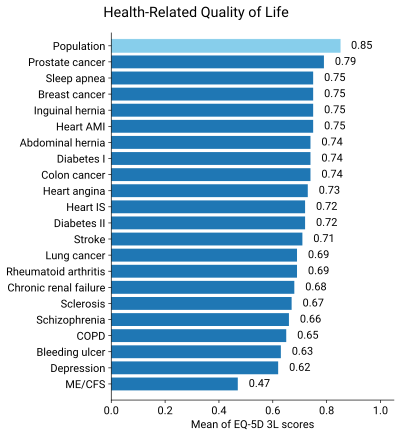
Beyond fatigue, individuals commonly experience cognitive impairments, often referred to as 'brain fog', which affects concentration, memory, and information processing. Sleep disturbances are also prevalent, with unrefreshing sleep being a common complaint. The severity and pervasive nature of these symptoms can lead to significant disability, impacting education, employment, and social engagement, often resulting in social isolation and a reduced quality of life.
Post-Exertional Malaise (PEM)
The most defining and often most challenging symptom of ME/CFS is post-exertional malaise (PEM). This phenomenon involves a significant and disproportionate worsening of symptoms following even minor physical, cognitive, or emotional exertion. The onset of PEM can be immediate or delayed, occurring hours or even days after the triggering activity.
The duration of a PEM 'crash' can range from hours to weeks or even months, leading to a severe reduction in functional capacity. This unpredictable and debilitating response to exertion necessitates meticulous energy management, often referred to as 'pacing', which involves carefully balancing activity and rest to avoid symptom exacerbation. Understanding and respecting PEM is crucial for individuals managing ME/CFS and for healthcare providers supporting them.
Etiology and Pathophysiology
The precise etiology of ME/CFS remains elusive, posing a significant challenge to diagnosis and treatment. However, a substantial body of evidence suggests that ME/CFS often follows an infection, with common triggers including viral infections like Epstein-Barr virus (causing mononucleosis) and enteroviruses. There is also evidence suggesting a genetic predisposition, as the illness can run in families.
Current research points towards dysregulation in multiple physiological systems. This includes the nervous system (central and autonomic), the immune system (with evidence of chronic immune activation and inflammation), and cellular energy metabolism, particularly mitochondrial dysfunction. The lack of a definitive diagnostic biomarker, such as a specific blood test or imaging result, means that diagnosis relies on clinical criteria and the exclusion of other conditions.
Diagnosis, Management, and Treatment Landscape
Diagnosing ME/CFS is a clinical process based on established diagnostic criteria that emphasize the presence of key symptoms, particularly PEM, fatigue, and cognitive dysfunction, along with the exclusion of other medical conditions that could cause similar symptoms. Currently, there are no FDA-approved treatments specifically for ME/CFS. Management strategies are therefore focused on symptom relief and improving functional capacity.
Pacing is a cornerstone of management, aiming to help patients stay within their energy limits to prevent PEM. Other supportive therapies may include managing sleep disturbances, pain, and orthostatic intolerance (dizziness upon standing). While some individuals experience improvement over time, a complete recovery is uncommon, making long-term management essential.
Societal Impact, Research Gaps, and Future Directions
ME/CFS has a profound socioeconomic impact, affecting millions worldwide. The debilitating nature of the illness can lead to significant disability, with a notable percentage of affected individuals being housebound or bedbound. The condition is more prevalent in women and typically affects individuals in middle age, though it can occur across all age groups.
The challenges faced by people with ME/CFS are compounded by a history of stigma, misunderstanding, and insufficient research funding compared to diseases of similar impact. The emergence of 'long COVID' has brought renewed attention to ME/CFS-like symptoms, potentially increasing the number of individuals meeting diagnostic criteria and highlighting the need for greater research investment. Addressing the diagnostic and therapeutic challenges, combating stigma, and increasing research funding are critical steps towards improving the lives of those affected by ME/CFS.
See also
Frequently Asked Questions
What is ME/CFS?+
Why do people with ME/CFS feel even more tired after doing something?+
How can someone with ME/CFS manage their energy?+
Can ME/CFS happen after a sickness?+
Are there special tests that can prove someone has ME/CFS?+
Based on content from Wikipedia · Licensed under CC BY-SA 4.0