

Mutation: When Life Gets a Surprise!
Images
Mutation


The Genesis of Genetic Change
Mutations are alterations in the nucleotide sequence of the genome. They are the ultimate source of all genetic variation. These changes can arise from errors during DNA replication, a process where the cell meticulously copies its genetic material.
DNA polymerase, the enzyme responsible for replication, has proofreading capabilities, but occasional misincorporations or slippage can lead to point mutations (substitutions, insertions, or deletions of single nucleotides). Beyond replication errors, DNA is constantly subjected to damage from endogenous sources (like reactive oxygen species) and exogenous mutagens (such as UV radiation, ionizing radiation, and certain chemicals). Cells possess sophisticated DNA repair pathways (e.g., base excision repair, nucleotide excision repair, mismatch repair) to correct these damages, but if repair fails or is incomplete, a mutation becomes permanent.
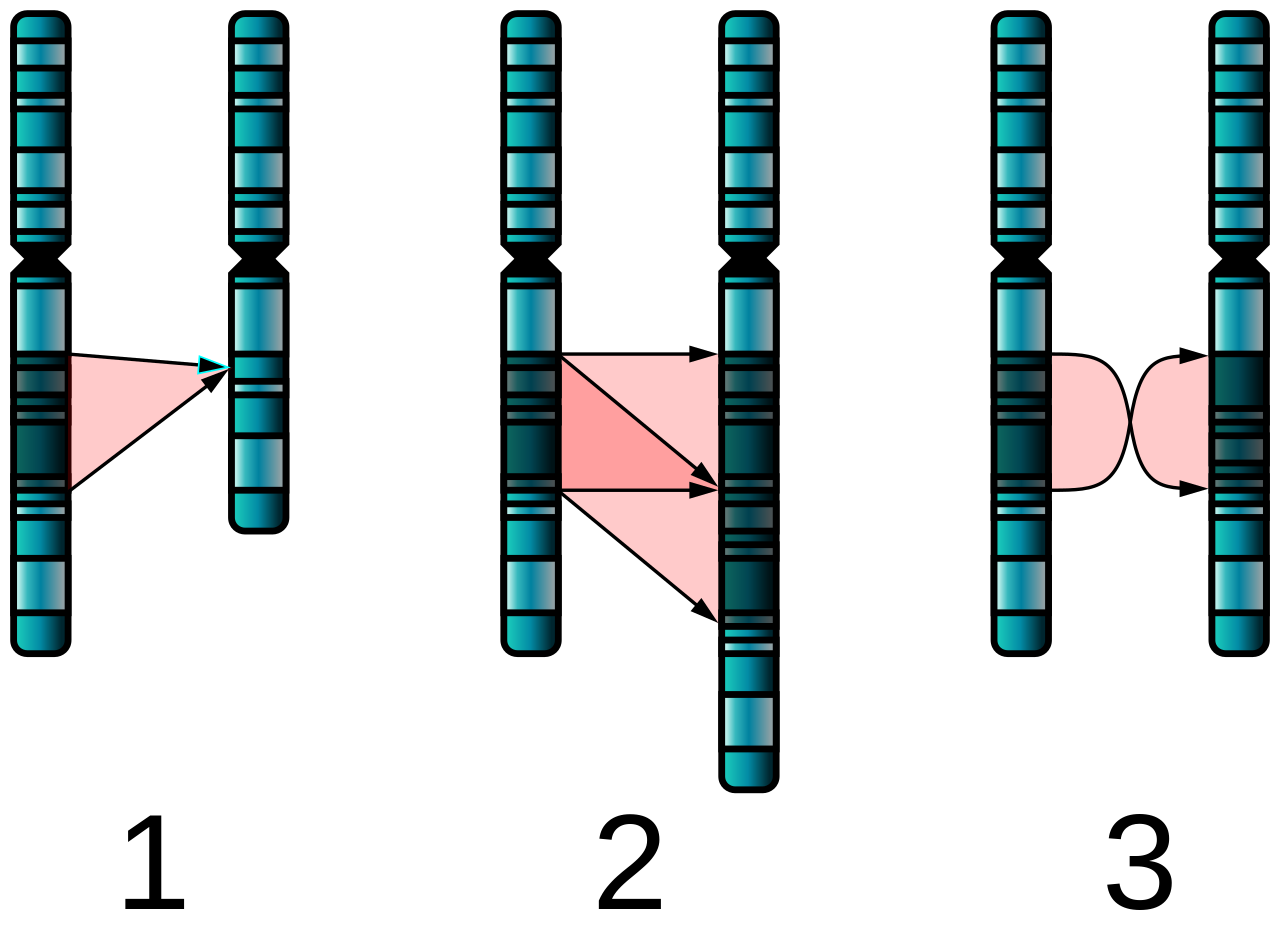
Chromosomal mutations, involving larger-scale alterations like duplications, deletions, inversions, and translocations, also contribute significantly to genetic diversity and can have profound phenotypic effects.
A Historical Perspective
The study of mutation has evolved dramatically over time. Gregor Mendel's pioneering work in the mid-19th century on pea plant inheritance laid the groundwork by demonstrating that traits are passed down in discrete units (genes), but he didn't fully grasp the nature of variation. In the early 20th century, Hugo de Vries proposed the mutation theory, suggesting that evolution occurs through sudden, large changes. While his initial concept of macromutations was later refined, his emphasis on mutation as a source of heritable variation was pivotal.
The discovery of DNA's structure by Watson and Crick in 1953, followed by the elucidation of the genetic code, provided the molecular basis for understanding how mutations occur at the DNA level. Subsequent research has identified specific genes involved in mutation and repair, and has revealed the complex interplay between mutation rate, genome stability, and evolutionary adaptation.
The Evolutionary Imperative
Mutations are the raw material upon which natural selection acts. Without the introduction of new genetic variants through mutation, populations would lack the diversity needed to adapt to changing environmental pressures. Beneficial mutations can increase an organism's fitness, enhancing survival and reproductive success.
Over time, the accumulation of advantageous mutations, coupled with genetic drift and other evolutionary forces, can lead to significant changes within a population and, ultimately, to the formation of new species (speciation). Conversely, deleterious mutations can reduce fitness and may be eliminated by selection. The balance between the introduction of new mutations and their removal or fixation is a critical factor in evolutionary trajectories.
Understanding mutation rates and patterns is therefore essential for reconstructing phylogenetic relationships and comprehending the mechanisms driving biodiversity.
The Double-Edged Sword
While mutations are fundamental to evolution, they are also implicated in a vast array of human diseases. Germline mutations, present in egg or sperm cells, can be inherited by offspring and lead to congenital disorders. Somatic mutations, occurring in non-reproductive cells, can accumulate over a lifetime and contribute to aging and the development of diseases like cancer.
Many inherited diseases, such as cystic fibrosis, Huntington's disease, and sickle cell anemia, are caused by specific mutations in single genes. Cancer, in particular, is often described as a 'disease of mutations,' arising from the accumulation of somatic mutations that disrupt cell cycle control, DNA repair, and other critical cellular processes. Research into the genetic basis of these diseases is crucial for developing diagnostic tools, targeted therapies, and gene-editing strategies.
Modern Applications
The study and manipulation of mutations have opened up significant avenues in biotechnology and medicine. Gene editing technologies like CRISPR-Cas9 allow scientists to precisely introduce, delete, or modify specific DNA sequences, offering potential treatments for genetic diseases and tools for fundamental research. Understanding mutation rates is vital in fields like evolutionary biology, forensics (DNA fingerprinting), and epidemiology (tracking the spread and evolution of pathogens like viruses).
Furthermore, directed evolution, a technique that mimics natural selection in the lab, uses controlled mutagenesis to generate variants of proteins or enzymes with enhanced or novel functions for industrial or therapeutic applications. The ability to understand, detect, and even engineer mutations is at the forefront of scientific innovation.
Go deeper
Frequently Asked Questions
What is a mutation?+
How do mutations happen when cells copy their DNA?+
Why are mutations important for evolution?+
Can mutations cause diseases in people?+
Who first showed that traits are passed down in pieces?+
Based on content from Wikipedia · Licensed under CC BY-SA 4.0