

Museum of Fine Arts, Boston
Images

Jewelry found on the Mummy of Nubian King AMANINATAKILEBTE (538-519 BC). Museum of Fine Arts, Boston



Architectural Scale and Curatorial Breadth
The Museum of Fine Arts, Boston (MFA), is not merely a civic institution but a globally significant cultural entity, recognized as the 20th-largest art museum worldwide by public gallery area. This immense scale allows for the exhibition of an astonishing collection that numbers over 450,000 works, including 8,161 paintings. Such a comprehensive scope positions the MFA as a paramount repository of human artistic achievement in the Americas.
Its vast holdings encompass diverse mediums and historical periods, from ancient civilizations to contemporary installations, offering a rich tapestry of global artistic expression. The museum's substantial visitor numbers, exceeding 1.2 million annually as of 2022, underscore its role as a vital nexus for cultural exchange and public engagement with art, drawing audiences from across the globe to experience its unparalleled collections.
Evolution of an Artistic Epicenter
Established in 1870, the MFA’s genesis in Copley Square marked a pivotal moment in Boston's cultural development, providing a dedicated space for the appreciation and study of fine arts. The museum's founding reflected a burgeoning interest in art collection and exhibition during the late 19th century, aiming to educate and inspire the public. However, the rapid expansion of its collections necessitated a move to a more capacious facility.
In 1909, the museum relocated to its current, grander site in the Fenway neighborhood, a move that facilitated both the preservation and more extensive display of its growing artistic treasures. This transition signifies the museum's dynamic growth and its enduring commitment to serving as a premier cultural institution. Furthermore, its affiliation with the School of the Museum of Fine Arts at Tufts highlights its dedication to fostering artistic education and innovation.
A Curatorial Symphony
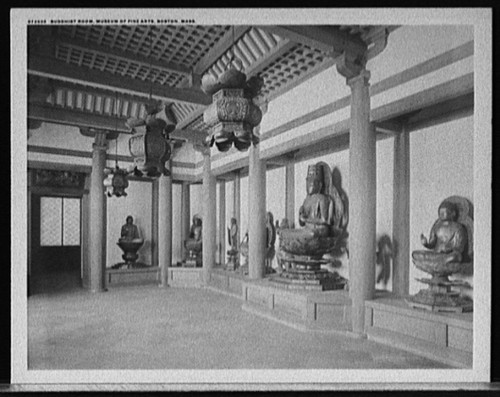
The MFA's collection is a testament to the multifaceted nature of human creativity, presenting a panoramic view of art history. Visitors can embark on journeys through ancient Egyptian tombs, stand in awe of Renaissance masterpieces, immerse themselves in the light-filled canvases of Impressionism, and explore the intricate beauty of Asian art. The museum's curatorial approach often emphasizes thematic connections and cross-cultural dialogues, encouraging visitors to draw parallels between disparate artistic traditions.
Whether it's examining the evolution of portraiture, the impact of global trade on artistic styles, or the emergence of new artistic movements, the MFA provides a rich environment for critical inquiry and aesthetic appreciation. This deliberate curation ensures that the museum remains a dynamic space for learning and discovery, constantly revealing new insights into the world of art.
The MFA's Enduring Cultural Resonance and Societal Impact
The Museum of Fine Arts, Boston, transcends its function as a mere repository of artifacts; it serves as a vital platform for cultural dialogue, historical understanding, and personal enrichment. By preserving and presenting art from across the globe, the MFA acts as a crucial bridge between past and present, offering profound insights into the human condition, societal values, and historical contexts. It fosters empathy and broadens perspectives by exposing visitors to diverse cultural narratives and artistic expressions.
In an increasingly interconnected world, the MFA’s role in promoting cross-cultural understanding and appreciation is more critical than ever. It inspires creativity, stimulates intellectual curiosity, and provides a contemplative space for individuals to connect with the enduring power of art, thereby contributing significantly to the cultural vitality of Boston and beyond.
See also
Based on content from Wikipedia · Licensed under CC BY-SA 4.0