

Mummification: Amazing Ancient Secrets!
Images
Cohesive Bandage Self-Bondage Leg Mummification


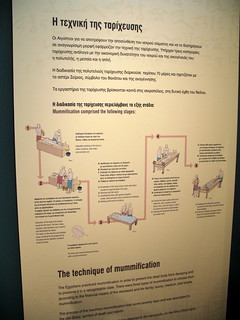


Theological Foundations and Ritualistic Evolution in Egypt
Mummification in ancient Egypt was deeply intertwined with their complex theological beliefs, particularly concerning the afterlife. The Egyptians posited that a person possessed multiple spiritual components, including the 'ka' (life force) and 'ba' (personality or soul), which needed to reunite with the physical body after death for continued existence. This necessitated the preservation of the corporeal form, transforming it into an eternal vessel.
The process evolved significantly over millennia, from simple natural desiccation in early burials to the highly elaborate artificial mummification of the New Kingdom. Initially, the focus was on preserving the body, but later, the emphasis shifted to creating an idealized, permanent representation of the deceased. The ritual was performed by specialized priests, often invoking deities like Anubis, the jackal-headed god of embalming, underscoring the sacred nature of the undertaking.
The elaborate tomb goods and funerary texts, such as the Book of the Dead, further illustrate the Egyptians' profound commitment to ensuring a successful transition and eternal life for the deceased.
The Scientific Art of Preservation
The artificial mummification process employed by the ancient Egyptians was a sophisticated blend of practical knowledge and ritualistic application. The initial stage involved evisceration, where internal organs were removed through an abdominal incision to prevent rapid decomposition. These organs were typically preserved separately in canopic jars, each dedicated to one of the Four Sons of Horus.
The brain was usually extracted through the nasal cavity using specialized hooks and discarded, as it was not considered vital. The crucial step was dehydration, achieved by covering the body with natron, a naturally occurring mixture of sodium carbonate and sodium bicarbonate. This salt desiccated the tissues over approximately 40 days, inhibiting bacterial growth.
Following dehydration, the body was cleaned, anointed with oils and resins to make the skin supple and fragrant, and then meticulously wrapped in hundreds of meters of linen bandages. Amulets and charms were often placed within the wrappings to provide magical protection. The entire procedure, from death to the final sealing of the tomb, could span up to 70 days.
Mummification's Enduring Significance
The significance of mummification transcends its ancient origins, offering profound insights into human history, culture, and our relationship with mortality. For Egyptologists and archaeologists, mummies are unparalleled primary sources. They provide direct evidence of ancient health, disease patterns (paleopathology), diet (through isotopic analysis of tissues), genetic heritage, and even the physical characteristics of past populations.
The study of grave goods and tomb inscriptions associated with mummies illuminates ancient religious beliefs, social hierarchies, and daily life. Beyond scientific inquiry, mummification speaks to a universal human desire to transcend death and preserve identity. However, the study of mummies also raises ethical considerations regarding the respectful treatment of human remains and the potential for exploitation.
Modern scientific techniques, such as CT scanning and DNA analysis, allow for non-invasive study, balancing scientific curiosity with ethical responsibility.
Global Perspectives
While Egyptian mummification is the most iconic, the phenomenon of body preservation is global and diverse, occurring both naturally and artificially. Natural mummification arises from specific environmental conditions that inhibit decomposition. The extreme cold and dryness of high-altitude regions, such as the Andes, led to the natural preservation of Inca mummies, often found with elaborate offerings, providing a stark contrast to the deliberate, ritualistic preservation of Egypt.
Peat bogs, prevalent in Northern Europe, create an anaerobic, acidic environment that preserves organic material exceptionally well, resulting in the discovery of 'bog bodies' with remarkably intact soft tissues, offering unique glimpses into Iron Age societies. Artificial mummification, beyond Egypt, includes practices like the Tarim Basin mummies in China, whose preservation is attributed to the arid desert climate and specific burial practices.
These varied examples highlight a common human impulse to confront death by preserving the physical form, adapting to diverse environmental and cultural contexts.
Go deeper
Frequently Asked Questions
What is mummification and why did ancient Egyptians do it?+
How did the ancient Egyptians make a mummy?+
Why did priests use the god Anubis when mummifying?+
What can scientists learn from studying mummies?+
Are there any rules about how we treat mummies today?+
Based on content from Wikipedia · Licensed under CC BY-SA 4.0