

Motion Comic: Comics That Move!
Images
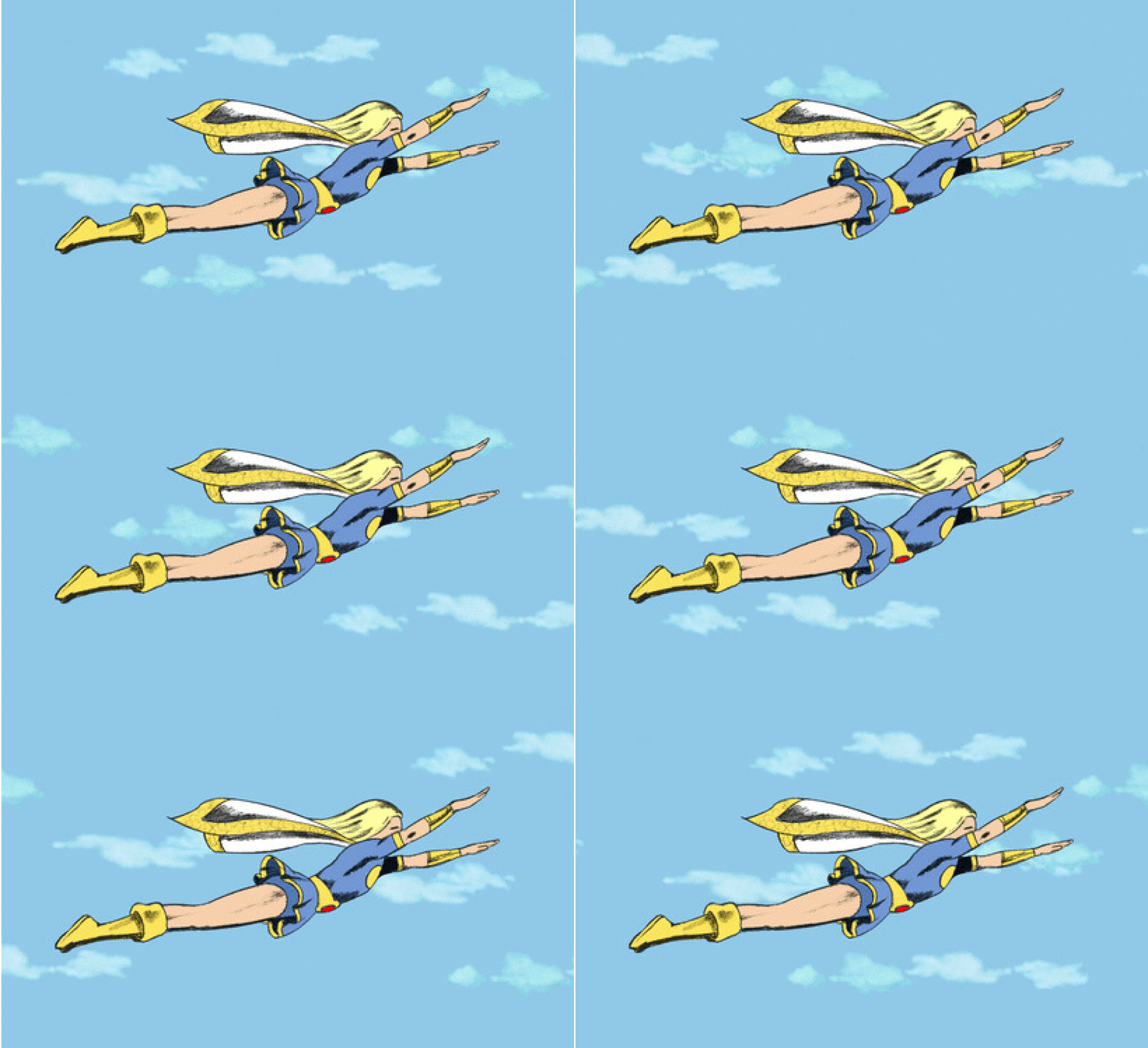
Motion comic
The Genesis and Evolution of Motion Comics
Motion comics emerged as a digital medium in the early 2000s, seeking to bridge the gap between the static nature of print comics and the dynamic engagement of animation. This art form takes existing comic book artwork, often meticulously crafted by talented illustrators, and imbues it with life through a combination of animation techniques and multimedia elements. Unlike traditional animation, motion comics typically leverage the original panels, expanding them into full shots and applying subtle movements like camera pans, zooms, and character animations.
The removal of speech bubbles and text boxes is a deliberate choice to emphasize the visual storytelling and allow the animated artwork to dominate the frame. This approach respects the source material while transforming it into a more active viewing experience, often released in episodic formats that align with comic book story arcs or graphic novel structures, typically ranging from ten to twenty minutes per installment.
Technical Craftsmanship
The creation of a motion comic is a multi-faceted process that requires a blend of artistic sensibility and technical proficiency. It begins with the selection of a comic book or graphic novel. Individual panels are then digitized and prepared for animation. The core technique involves animating the static artwork, often by creating a virtual camera that moves across the panel, mimicking cinematic techniques like tracking shots and dollies.
Characters might be rigged with basic skeletal animation to allow for simple movements, such as blinking eyes, shifting weight, or gesturing. Crucially, sound design plays a pivotal role. Voice actors lend their talents to dialogue, while foley artists and sound designers craft immersive soundscapes with effects, ambient noise, and musical scores. This layered approach transforms a series of still images into a cohesive, engaging audiovisual narrative, making the most of the original artist's vision.
Narrative Impact and Audience Engagement
The significance of motion comics lies in their ability to enhance narrative impact and broaden audience engagement. By adding sound and movement, motion comics can amplify the emotional resonance of a story, making dramatic moments more powerful and action sequences more visceral. This format can also make complex or dialogue-heavy comics more accessible to a wider audience who might find traditional reading less engaging.
For fans of the original comics, motion comics offer a new way to experience beloved stories, providing a visual and auditory dimension that deepens their connection to the characters and plots. Furthermore, motion comics serve as a cost-effective entry point into animated storytelling, allowing creators to produce compelling content without the immense resources required for full-frame animation. This democratizes animated content creation and fosters innovation in digital storytelling platforms.
Motion Comics in the Digital Ecosystem
Motion comics have found a natural home on digital platforms, from dedicated websites and streaming services to social media channels. They are frequently used to adapt existing comic book series, covering entire story arcs or individual issues, and can also be created from scratch as original content. This format is particularly effective for serialized storytelling, allowing for the release of regular episodes that keep audiences engaged over time.
Examples range from adaptations of major superhero franchises to independent comic works. The rise of digital distribution has made motion comics more accessible than ever, allowing creators to reach global audiences directly. As technology continues to advance, the techniques used in motion comics are likely to evolve, potentially incorporating more sophisticated animation and interactive elements, further blurring the lines between comics, animation, and other digital media.
The Future Canvas
The future of motion comics is intrinsically linked to advancements in digital art and distribution. As virtual reality (VR) and augmented reality (AR) technologies become more prevalent, motion comics could evolve into more immersive experiences, allowing viewers to step directly into the comic's world. The integration of AI could also streamline the animation process, enabling faster creation of more complex visual effects.
Furthermore, the line between motion comics and other forms of digital media, such as web series and interactive narratives, will likely continue to blur. Creators are constantly experimenting with new ways to present stories, and motion comics offer a flexible framework for this innovation. Whether as standalone pieces or as components within larger multimedia projects, motion comics are poised to remain a dynamic and evolving form of digital storytelling, continually finding new ways to captivate audiences by animating the art of the comic.
See also
Frequently Asked Questions
What is a motion comic?+
How do motion comics add sound to the pictures?+
Why do motion comics remove speech bubbles?+
How long are motion comic episodes usually?+
Where can I watch motion comics?+
Based on content from Wikipedia · Licensed under CC BY-SA 4.0