

Moqueca: Brazil's Yummy Fish Stew!
Images

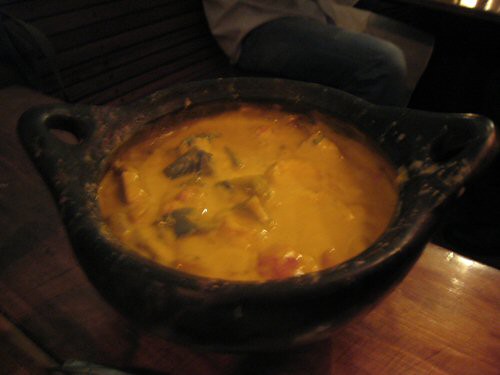
Bahian style moqueca




The Multifaceted Identity of Moqueca
Moqueca stands as a quintessential example of Brazilian cuisine, not as a monolithic dish, but as a dynamic culinary concept with profound regional variations. Its foundational elements-seafood, tomatoes, onions, garlic, lime, and coriander-provide a canvas upon which distinct cultural influences paint vibrant flavors. The Bahian iteration is perhaps the most globally recognized, characterized by the rich, emulsified texture derived from coconut milk and the unmistakable, earthy notes of dendê oil (palm oil).
This version is a direct legacy of the African diaspora's culinary contributions, reflecting a history of adaptation and innovation in a new land. Conversely, the Moqueca Capixaba from Espírito Santo is often lauded for its perceived purity, emphasizing the natural flavors of the fish and vegetables, with a lighter broth and a distinct absence of coconut milk and dendê oil, drawing parallels to Portuguese seafood stews. Further north, Moqueca Paraense from the Amazon region incorporates indigenous ingredients like tucupi (a fermented cassava liquid) and jambu (an herb that causes a tingling sensation), alongside freshwater fish and shrimp, showcasing the unique biodiversity and culinary traditions of the Amazon basin.
These variations are not mere stylistic differences; they are living testaments to Brazil's syncretic cultural heritage, where indigenous, African, and European culinary practices have merged and evolved over centuries, creating a dish that is simultaneously national and intensely local.
The Historical Trajectory of Moqueca
The historical lineage of Moqueca is deeply intertwined with Brazil's pre-colonial past. The name itself is believed to derive from the indigenous Tupi word 'pokeka,' referring to fish cooked in leaves, a fundamental cooking technique that predates European arrival. This ancient method laid the groundwork for what would become a beloved national dish.
As Portuguese colonization progressed and enslaved Africans were brought to Brazil, their culinary knowledge and ingredients began to integrate into local foodways. In regions like Bahia, this fusion was particularly pronounced, leading to the development of the iconic Moqueca with coconut milk and dendê oil. The dish's journey reflects broader patterns of cultural exchange and adaptation in Brazil.
Its rise to prominence is further evidenced by its competitive standing in national culinary discourse; in 2013, a promotional survey by the Ministry of Tourism identified Moqueca as a quintessential Brazilian dish that tourists must try, even ranking it above feijoada, another strong contender for the national culinary symbol. This elevation signifies Moqueca's successful transition from regional specialty to a recognized emblem of Brazilian gastronomy.
The Art of the Clay Pot
The preparation of Moqueca is inextricably linked to the use of traditional ceramic cookware, particularly in Espírito Santo, where this practice has achieved formal recognition as cultural heritage. The 'Ofício das Paneleiras de Goiabeiras' in Vitória is a registered cultural asset, preserving the ancient craft of making handmade clay pots ('panelas de barro'). These pots are not merely utilitarian; they are integral to the sensory experience and perceived quality of the dish.
Their porous nature and excellent heat retention allow for slow, even cooking, facilitating the melding of flavors and creating a desirable texture in the stew. Intriguingly, the specific clay composition and firing techniques employed in Espírito Santo are believed to possess unique chemical properties. Proponents suggest that the clay neutralizes the acidity of ingredients like tomatoes and peppers, thereby reducing the likelihood of heartburn-a phenomenon attributed to the interaction between the clay minerals and the acidic compounds.
This functional aspect, combined with the aesthetic and cultural significance of the handmade pots, elevates the cooking process beyond mere food preparation into a ritualistic act deeply connected to place and tradition.
Moqueca and Pirão
The traditional accompaniment to Moqueca is pirão, a thick, porridge-like dish made from the flavorful broth of the stew and cassava flour. However, the preparation of pirão itself highlights the subtle yet significant regional culinary distinctions within Brazil. The Bahian method, often described as more 'indigenous,' involves incorporating raw cassava flour directly into the hot broth served in the bowl.
This technique allows the flour to cook and thicken in the broth, potentially undergoing a mild fermentation, resulting in a denser, more robust pirão. In contrast, the Espírito Santo style, influenced by Portuguese culinary practices, involves pre-hydrating the cassava flour in cold water before adding it to the broth. This method yields a smoother, lighter, and less dense pirão.
These differing approaches to pirão preparation underscore the broader theme of regionalism in Brazilian cuisine, demonstrating how even complementary dishes can embody distinct cultural influences and textural preferences, offering a nuanced gastronomic experience that varies significantly across the country.
Moqueca's Contemporary Relevance
In contemporary Brazil, Moqueca continues to hold significant cultural and economic importance. Its recognition as a national culinary symbol, as evidenced by its prominence in tourism promotion, positions it as a key element of Brazil's 'soft power' and cultural diplomacy. Chefs and culinary institutions actively promote Moqueca both domestically and internationally, showcasing the diversity and richness of Brazilian food heritage.
The ongoing preservation of traditional cooking methods, such as the artisanal production of ceramic pots in Espírito Santo, highlights a growing awareness of the value of intangible cultural heritage. Furthermore, the economic impact of Moqueca extends to local fishing communities and the tourism industry, making its sustainable production and promotion a matter of both cultural and economic interest. As global interest in authentic and diverse culinary experiences grows, Moqueca remains a compelling ambassador for Brazil, offering a delicious and historically rich narrative on a plate.
See also
Frequently Asked Questions
What is Moqueca?+
Why is the Bahian version of Moqueca special?+
How does Moqueca Capixaba differ from other versions?+
Where does Moqueca Paraense come from and what makes it unique?+
Why is Moqueca an important dish in Brazil?+
Based on content from Wikipedia · Licensed under CC BY-SA 4.0