

Montserrat
Images
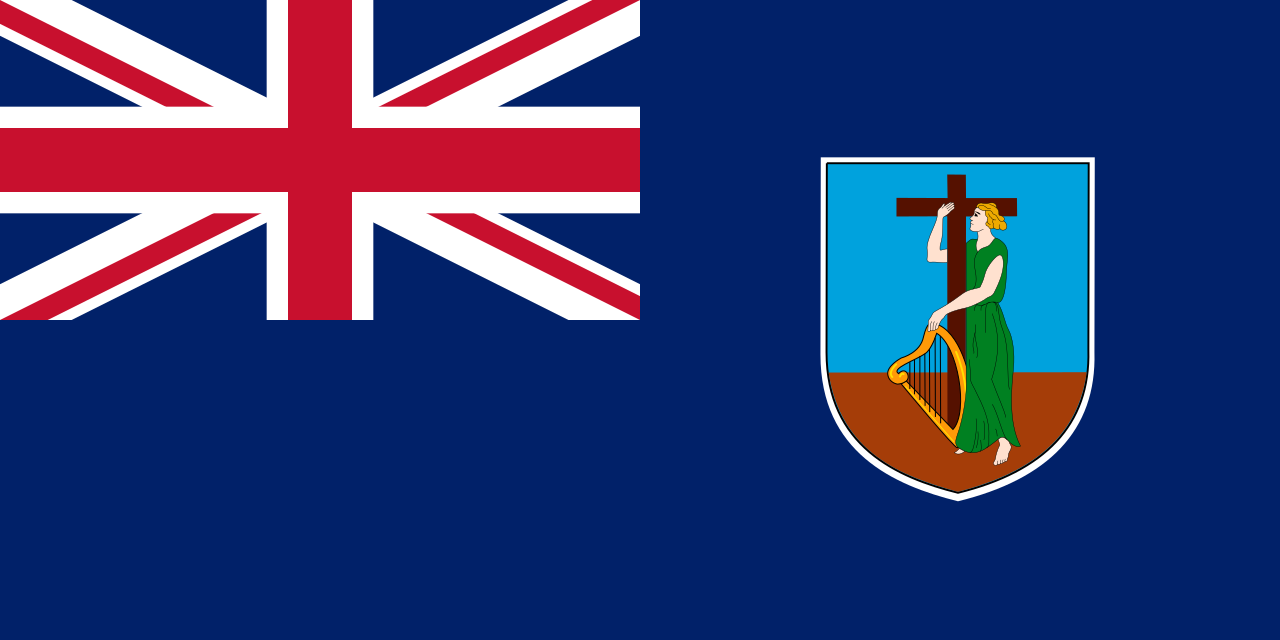
Flag Of Montserrat




Opens Google Maps in new tab
Geography and Geology
Montserrat is a volcanic island located in the eastern Caribbean Sea, forming part of the Lesser Antilles archipelago. The island spans approximately 102 square kilometers, with a rugged topography dominated by steep slopes and volcanic peaks. The highest elevation is Mount Liamuiga, which rises to about 1,200 meters and is part of the Soufrière Hills volcanic complex.
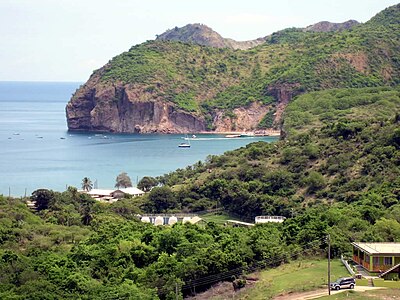
The island’s coastline is characterized by sandy beaches, coral reefs, and mangrove swamps that support a diverse array of marine life, including sea turtles, reef fish, and coral species. Montserrat experiences a tropical climate with mean temperatures ranging from 24 to 29 degrees Celsius, and a pronounced rainy season that typically lasts from June to November. The island’s lush rainforests, volcanic craters, and basaltic formations provide a unique geological laboratory for studying volcanic activity, soil fertility, and ecological succession.
The volcanic soils, rich in minerals, historically supported agricultural activities such as banana cultivation and sugar cane plantations. Today, Montserrat’s geological features continue to attract scientists, students, and eco‑tourists, offering opportunities for field research, environmental education, and sustainable tourism development. The island's strategic location between the Atlantic Ocean and the Caribbean Sea has historically made it a waypoint for maritime trade routes, and its volcanic landscape has inspired local folklore and artistic expressions, enriching Montserrat's cultural tapestry in fostering community resilience and environmental stewardship.
Historical Evolution
Montserrat’s recorded history dates back to Christopher Columbus’s first sighting of the island in 1493, although the island remained largely uninhabited for centuries. Spanish explorers christened the island 'Montserrat' after the mountain of the same name in Catalonia, but the British seized control in 1632, establishing a plantation economy based on sugar cane and later bananas. The population grew to approximately 5,000 residents, primarily of African descent, and the island developed a distinct Creole culture that blended English, African, and Caribbean influences.
In 1979 Montserrat became a British overseas territory, gaining internal self‑government while remaining under UK sovereignty. The volcanic eruption of the Soufrière Hills volcano in 1995 dramatically altered the island's demographic and geographic landscape; the capital city of Plymouth was destroyed, and thousands of residents were forced to relocate to the western side. The new administrative capital, Brades, was established in 1997, and since then Montserrat has focused on rebuilding infrastructure, improving disaster preparedness, and fostering economic diversification.
The island has also engaged in cultural exchange programs with the UK and neighboring Caribbean nations to preserve its heritage while embracing modern development. In addition, the Montserrat Development Fund, established by the UK government, has allocated substantial resources for education, healthcare, and renewable energy projects, ensuring sustainable growth and resilience against future volcanic hazards to support community and environmental initiatives.
Culture and Society
English remains the official language of Montserrat, yet the majority of residents also speak a Creole dialect that blends English, African, and Caribbean linguistic elements. The island’s cultural identity is reflected in its music, which incorporates calypso, reggae, soca, and traditional folk rhythms, creating a vibrant soundscape that resonates with both locals and visitors. Annual celebrations, such as the National Day on 31 May and the vibrant Carnival, feature elaborate costumes, live music, parades, and communal feasts that showcase the island’s artistic creativity.
Traditional cuisine highlights fresh seafood, plantains, bananas, and locally produced spices, with signature dishes including callaloo soup, pepper pot, and baked goods made from cassava. Family and community cohesion are central to Montserratian life, with churches, schools, and local markets serving as gathering places for social interaction and cultural exchange. Despite the challenges posed by volcanic activity, Montserrat’s residents maintain a resilient spirit, valuing education, environmental stewardship, and the preservation of their unique heritage, while embracing modern technologies and sustainable practices to enhance their quality of life.
The educational system in Montserrat is structured around primary, secondary, and tertiary levels, with a strong emphasis on bilingual instruction and STEM subjects to prepare students for global opportunities. The island also hosts cultural institutions such as the Montserrat Cultural Centre, which preserves artifacts, photographs, and oral histories that document the island’s past, including the impact of the 1995 eruption on community life. Community initiatives, such as the Montserrat Volunteer Corps, engage residents in disaster preparedness drills, environmental clean‑up projects, and youth mentorship programs, fostering a sense of shared responsibility and collective resilience.
These efforts, combined with the island’s natural beauty and cultural richness, position Montserrat as a unique destination for responsible tourism and cultural exchange, while ensuring that its people remain connected to their heritage and to the wider Caribbean community.
Economy and Development
Montserrat’s economy has historically depended on agriculture, particularly banana cultivation, and tourism. The volcanic eruption of 1995 devastated the banana industry, prompting a shift toward diversified income sources such as small‑scale fishing, craft production, and eco‑tourism. Today, the island promotes its volcanic landscape, historic ruins, and marine parks as attractions for visitors, while also developing infrastructure to support sustainable tourism, including upgraded roads, a modern port facility, and improved communication networks.
The United Kingdom provides financial assistance through the Montserrat Development Fund, which supports infrastructure projects, disaster relief, and community development initiatives. The government has also introduced incentives for renewable energy projects, such as solar farms, to reduce dependence on imported fuels and promote energy independence. Moreover, educational exchanges with the UK and other Caribbean nations foster knowledge sharing and cultural ties.
Sustainable practices in agriculture and tourism aim to balance economic growth with environmental preservation, ensuring Montserrat’s resilience for future generations. The island’s strategic location between the Atlantic Ocean and the Caribbean Sea offers potential for maritime trade and logistics, although volcanic risk remains a priority concern for planners and residents alike. Furthermore, the island has established a dedicated emergency response fund, financed through UK aid and local contributions, which provides rapid financial assistance to affected families and businesses.
The local government has also pursued partnerships with private investors to develop eco‑friendly resorts that comply with strict environmental standards, thereby creating jobs while protecting sensitive ecosystems. These initiatives, combined with ongoing scientific research and community education, create a holistic framework that balances economic growth, environmental protection, and social well‑being, ensuring Montserrat’s long‑term sustainability and resilience against future volcanic activity.
Volcanic Challenges and Future Prospects
Since the 1995 eruption of the Soufrière Hills volcano, Montserrat has faced ongoing volcanic hazards that shape daily life and long‑term planning. The volcano remains active, with frequent seismic activity and occasional ash plumes that can disrupt air travel and agriculture. The Montserrat Volcano Observatory, established by the UK government, continuously monitors seismic data, gas emissions, and ground deformation to provide early warnings to residents and authorities.
In response, the island has implemented stringent building codes, established evacuation zones, and conducted regular community drills to ensure preparedness. The government also collaborates with international scientific institutions to study volcanic processes and assess risks, ensuring that land‑use decisions are informed by the latest research. Looking ahead, Montserrat is investing in renewable energy, particularly solar and wind, to reduce dependence on imported fossil fuels and to support sustainable development.
Educational outreach programs teach children about volcano safety, fostering a culture of resilience and environmental stewardship. The combination of scientific vigilance, community engagement, and sustainable infrastructure positions Montserrat to navigate future volcanic events while preserving its unique cultural heritage and natural environment.
See also
Based on content from Wikipedia · Licensed under CC BY-SA 4.0