

Mineralocorticoid
Images

Mineralocorticoid effects -hun-




The Adrenal Cortex
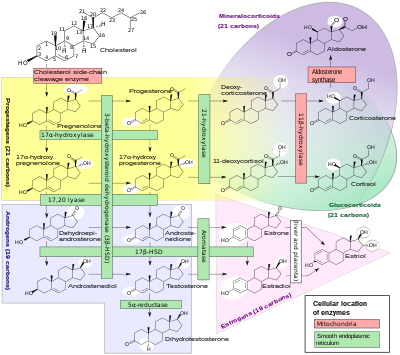
Mineralocorticoids represent a critical subclass of steroid hormones, synthesized within the zona glomerulosa of the adrenal cortex. This distinct region of the adrenal gland is specialized for the production of these potent regulators of electrolyte and fluid balance. As corticosteroids, they share a common cholesterol-derived precursor with glucocorticoids but diverge significantly in their physiological targets and functions.
The adrenal cortex, perched atop each kidney, is a complex endocrine organ, and the mineralocorticoids it produces are indispensable for maintaining the body's internal milieu. Their synthesis and release are tightly regulated, primarily by the renin-angiotensin-aldosterone system (RAAS) and, to a lesser extent, by direct stimulation from potassium levels and adrenocorticotropic hormone (ACTH). This intricate control ensures that the body's fluid and salt composition remains within narrow, life-sustaining parameters, even in the face of varying dietary intake and environmental conditions.
Aldosterone's Molecular Dialogue with the Kidneys
Aldosterone, the principal mineralocorticoid, exerts its profound effects predominantly on the distal tubules and collecting ducts of the nephrons within the kidneys. Upon binding to intracellular mineralocorticoid receptors (MRs), it initiates a cascade of genomic and non-genomic events. Genomically, aldosterone promotes the transcription of genes encoding for epithelial sodium channels (ENaC) and the Na+/K+-ATPase pump.
ENaC facilitates the reabsorption of sodium from the tubular fluid into the principal cells of the collecting duct, while the Na+/K+-ATPase actively pumps sodium out of these cells into the interstitial fluid, creating an electrochemical gradient that drives further sodium and water reabsorption. This action is coupled with increased potassium secretion into the tubular lumen, a crucial mechanism for potassium homeostasis. The net effect is enhanced sodium and water retention, leading to an increase in extracellular fluid volume and blood pressure.
This precise regulation is vital for maintaining circulatory volume and perfusing vital organs.
The Far-Reaching Implications of Mineralocorticoid Action
The physiological significance of mineralocorticoids extends beyond simple fluid and electrolyte balance. They play a crucial role in regulating blood pressure, acting as key effectors in the RAAS. By increasing sodium and water retention, aldosterone contributes to maintaining adequate blood volume and cardiac output, particularly in situations of hypovolemia or hypotension.
Furthermore, mineralocorticoids have been implicated in cardiovascular remodeling, inflammation, and fibrosis, especially in conditions of mineralocorticoid receptor overactivation, such as primary aldosteronism or heart failure. Understanding these broader impacts is essential for managing a spectrum of cardiovascular and renal diseases. The delicate balance orchestrated by mineralocorticoids is therefore fundamental to overall cardiovascular health and organ function.
Historical Context and Clinical Relevance
The discovery and characterization of mineralocorticoids represent a significant milestone in endocrinology. Early research in the 1930s and 1940s, building on the work of Nobel laureates like Tadeus Reichstein and Edward Kendall, began to elucidate the functions of adrenal cortical hormones. The isolation and synthesis of aldosterone in the 1950s provided a direct link between adrenal function and electrolyte regulation.
This understanding has had profound clinical implications. Conditions like Addison's disease (adrenal insufficiency) and Conn's syndrome (primary aldosteronism) are directly related to mineralocorticoid dysfunction and are managed through hormone replacement or blockade. Moreover, mineralocorticoid receptor antagonists, such as spironolactone and eplerenone, are now standard therapies for heart failure and hypertension, underscoring the enduring clinical importance of these hormones.
Mineralocorticoids in Modern Medicine and Research
Contemporary research continues to explore the multifaceted roles of mineralocorticoids. Beyond their established functions in electrolyte and blood pressure regulation, they are being investigated for their contributions to metabolic syndrome, obesity, and even neurological processes. The development of more selective mineralocorticoid receptor modulators and a deeper understanding of their non-genomic signaling pathways are active areas of investigation.
Furthermore, the interplay between mineralocorticoids and other hormonal systems, such as the renin-angiotensin-aldosterone system and the sympathetic nervous system, is a subject of intense study. This ongoing research promises to further refine our understanding of these vital hormones and lead to novel therapeutic strategies for a wide range of diseases.
See also
Frequently Asked Questions
What are mineralocorticoids?+
Where are mineralocorticoids made in the body?+
How does aldosterone help keep our body’s salt and water in balance?+
Why is aldosterone important for our blood pressure?+
What happens if mineralocorticoids are too active?+
Based on content from Wikipedia · Licensed under CC BY-SA 4.0