

Metabolic Rate: Your Body's Secret Engine!
Images

SD of metabolic rate of fulmars.es



The Energetic Foundation
Metabolic rate quantifies the rate at which an organism expends energy to sustain life. It is fundamentally the sum of all catabolic (energy-releasing) and anabolic (energy-consuming) processes occurring within the body. The most commonly discussed metric is the Basal Metabolic Rate (BMR), representing the minimum energy expenditure required to maintain essential physiological functions in a post-absorptive state, at complete rest, and under thermoneutral conditions.
This includes vital processes such as cellular respiration, protein synthesis, ion transport across membranes, and the continuous work of the heart and lungs. BMR typically accounts for 60-75% of an individual's total daily energy expenditure (TDEE). Other components of TDEE include the thermic effect of food (TEF), which is the energy used for digestion, absorption, and storage of nutrients, and energy expended through physical activity.
Understanding metabolic rate is crucial for comprehending energy balance, nutritional requirements, and the physiological adaptations of diverse species.
Historical Perspectives on Quantifying Energy Expenditure
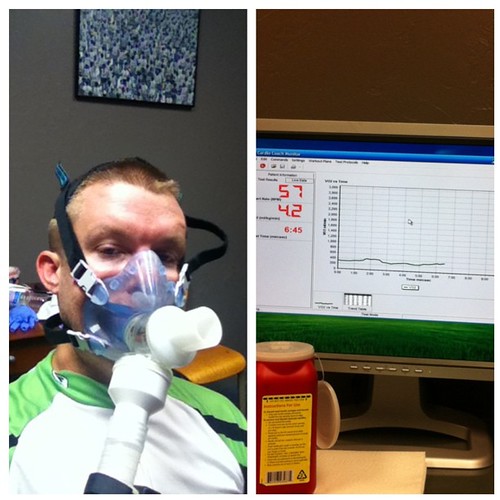
The scientific investigation into metabolic rate has evolved significantly over centuries. Early attempts in the 18th century, notably by Antoine Lavoisier, focused on the concept of 'caloric theory' and measured heat production through direct calorimetry, essentially placing organisms in insulated chambers to measure heat output. The 19th century saw the development of indirect calorimetry, a less invasive method that measures oxygen consumption and carbon dioxide production.
This technique is based on the principle that the oxidation of nutrients (carbohydrates, fats, proteins) requires oxygen and produces carbon dioxide. By analyzing the respiratory quotient (RQ = CO2 produced / O2 consumed), scientists could infer the types of fuel being metabolized and quantify energy expenditure. Landmark studies by researchers like Max Rubner and Atwater further refined these methods, establishing fundamental equations and concepts that underpin modern metabolic rate measurements and our understanding of energy balance in humans and animals.
The Multifaceted Significance of Metabolic Rate
Metabolic rate is a cornerstone of physiological regulation and has profound implications for health and survival. In terms of energy balance, it dictates an individual's caloric needs, directly influencing weight management. Deviations from a typical metabolic rate can signal underlying endocrine disorders, such as hypothyroidism (low metabolic rate leading to weight gain and fatigue) or hyperthyroidism (high metabolic rate leading to weight loss and increased energy).
Furthermore, metabolic rate is intrinsically linked to thermoregulation; the heat generated as a byproduct of metabolic processes helps maintain core body temperature. In diverse environments, metabolic rate influences an organism's ability to survive fluctuating temperatures and food availability. For instance, animals in colder climates often have higher metabolic rates to generate more heat, while hibernating animals drastically reduce their metabolic rate to conserve energy during periods of scarcity.
The study of metabolic rate also provides insights into evolutionary adaptations and the energetic constraints faced by different species.
Mechanisms Governing Metabolic Rate
The regulation of metabolic rate is a complex, multi-layered process involving hormonal, neural, and cellular mechanisms. Hormones, particularly thyroid hormones (T3 and T4), play a pivotal role by increasing the BMR of most tissues, influencing cellular respiration and the activity of the sodium-potassium pump. Adrenaline and noradrenaline can also temporarily increase metabolic rate, especially in response to stress or cold. Neural control is exerted through the hypothalamus, which integrates signals related to energy status and body temperature to modulate hormonal release and autonomic nervous system activity.
At the cellular level, metabolic rate is determined by the number and activity of mitochondria, the powerhouses of the cell where ATP is generated through oxidative phosphorylation. Factors like muscle mass are significant because muscle tissue is metabolically active even at rest, contributing substantially to overall BMR. Genetic predispositions also influence baseline metabolic rates, affecting enzyme efficiencies and cellular energy demands. The interplay of these factors creates an individual's unique metabolic profile.
Comparative Physiology and Metabolic Rate Applications
Examining metabolic rates across species reveals fascinating adaptations. Small endotherms, like shrews and hummingbirds, possess exceptionally high metabolic rates relative to their body mass, necessitated by their large surface area to volume ratio and rapid heat loss. Conversely, large ectotherms, such as reptiles, have much lower metabolic rates that are more dependent on ambient temperature.
The concept of 'allometric scaling' describes how metabolic rate changes with body mass; typically, metabolic rate increases with mass but at a slower rate (often to the power of 0.75), meaning larger animals are more metabolically efficient per unit of mass. In applied science, understanding metabolic rate is critical in fields like sports medicine for optimizing training and nutrition, in endocrinology for diagnosing and managing hormonal imbalances, and in conservation biology for assessing the energetic needs and vulnerabilities of wildlife populations. Research into manipulating metabolic rate also holds potential for therapeutic interventions in conditions like obesity and metabolic syndrome.
Go deeper
Frequently Asked Questions
What is metabolic rate?+
Why does my body use energy when I’m resting?+
How do scientists measure how fast we burn energy?+
What happens to my metabolic rate if I have a thyroid problem?+
Why do animals in cold places have higher metabolic rates?+
Based on content from Wikipedia · Licensed under CC BY-SA 4.0