

Meeting Point: Where to Meet Up!
Images
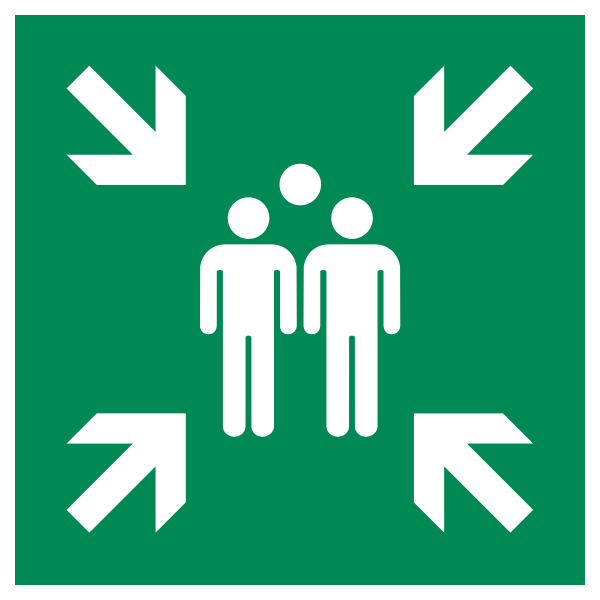
Meeting point
The Evolution of the Rendezvous
The concept of a meeting point, or rendezvous point, is deeply ingrained in human social organization. Historically, natural landmarks or prominent public spaces served as informal meeting points for trade, social gatherings, and communication. As societies urbanized and public spaces became more complex, the need for designated, easily identifiable locations grew.
These points evolved from simple landmarks into functional elements of urban design and social infrastructure. In contemporary contexts, a meeting point is a geographically defined area that facilitates the convergence of individuals or groups. This definition spans casual social arrangements, where a recognizable statue in a park might serve as a convenient anchor, to more formalized structures within large institutions.
The Wikipedia source highlights this duality: meeting points can be organic, popular spots, or officially designated and signed locations within facilities, underscoring their adaptability to various human needs.
Assembly Points
When referred to as an 'assembly point' or 'muster point,' the meeting point transcends its social function to become a critical component of safety and emergency management. These are not merely convenient spots but strategically chosen safe zones where individuals are directed to gather during emergencies, such as fires, natural disasters, or security threats. The primary objective is to ensure the safety and accountability of all individuals within a given area.
By having pre-determined and clearly marked assembly points, organizations and authorities can streamline evacuation processes, conduct efficient headcounts, and facilitate the deployment of emergency services. This systematic approach minimizes confusion and panic, which are significant risks during crises. The presence of official signage is crucial, transforming an ordinary space into a recognized emergency beacon.
Sociological and Urban Planning Dimensions of Meeting Points
Beyond immediate social and safety concerns, meeting points hold significant sociological and urban planning implications. Sociologically, they represent nodes of social interaction, places where communities form and identities are reinforced. Regular meeting points, whether in pubs, parks, or community halls, foster a sense of belonging and shared experience among regulars or interest groups.
From an urban planning perspective, the strategic placement and design of meeting points contribute to the functionality and livability of cities. They can be integrated into public spaces to encourage social interaction, guide pedestrian flow, and enhance the overall user experience of an area. The choice of a meeting point-whether a grand plaza or a discreet corner-can subtly influence the nature and scale of the interactions that occur there.
The Digital Age and the Evolving Nature of Meeting Points
In the digital age, the concept of a meeting point is being re-examined and augmented. While physical, geographically defined locations remain paramount for emergencies and many social gatherings, digital tools now play a significant role in coordinating meetups. Location-sharing apps and digital mapping services allow for precise coordination, sometimes even superseding the need for traditional, easily recognizable landmarks.
However, the fundamental principle of a designated convergence point persists. For emergency preparedness, the reliance on physical, signed assembly points is unlikely to diminish, as digital infrastructure can be compromised during widespread disasters. The enduring relevance of meeting points lies in their tangible presence and universal understandability, providing a reliable anchor in both everyday life and critical situations, bridging the gap between the physical and the digital realms of human connection and safety.
Key Considerations for Effective Meeting Point Implementation
The effectiveness of a meeting point hinges on several factors. For social purposes, recognizability, accessibility, and capacity are key. A point should be visually distinct, easy to reach by various modes of transport, and large enough to accommodate the expected group size without becoming unmanageable.
For official assembly points, safety is the overriding concern. This includes being situated away from immediate hazards (like falling debris or fire sources), having clear lines of sight for accountability, and being easily accessible to emergency responders. Signage is critical for official points, providing unambiguous direction and reinforcing their designated purpose.
The source material emphasizes that these signs are often public and clearly visible, serving as an immediate identifier. Ultimately, a well-chosen meeting point is one that reliably serves its intended purpose, whether fostering casual connections or ensuring collective safety.
See also
Frequently Asked Questions
What is a meeting point?+
Why do we need meeting points for safety?+
How do meeting points help during emergencies?+
Where can a meeting point be found in a city?+
Can technology help us find meeting points?+
Based on content from Wikipedia · Licensed under CC BY-SA 4.0