

Mary Tudor, Queen of France
Images

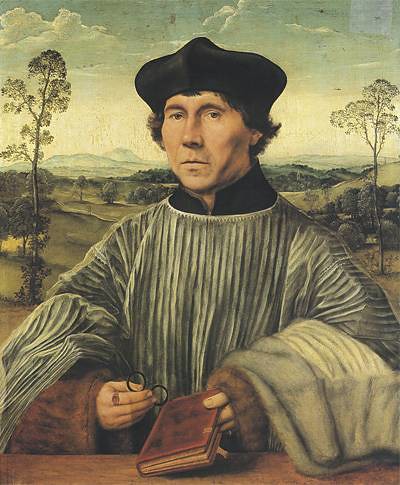
Frances Walsingham, daughter of Sir Francis Walsingham, spymaster of Elizabeth I, wife of Robert Devereaux, Earl of Essex, with her son, Robert




The Tudor Dynasty's Strategic Alliance
Mary Tudor, born in 1496, was the youngest surviving child of Henry VII and Elizabeth of York, solidifying the new Tudor dynasty's claim to the English throne. Her early life was shaped by the political imperatives of her father and brother, Henry VIII. The marriage to King Louis XII of France in 1514 was a strategic move, intended to cement an alliance between England and France against their common rival, Spain.
Louis was significantly older, over 50 years her senior, and this union was primarily a diplomatic instrument rather than a personal choice. Mary's brief tenure as Queen of France, though short-lived due to Louis's death in 1515, provided her with firsthand experience of the French court and its intricate political landscape. This period, however brief, positioned her as a key player in international royal relations, demonstrating the Tudor family's ambition to exert influence beyond English borders.
A Forbidden Love and Royal Reckoning
Following Louis XII's death, Mary Tudor found herself a widow with considerable political value. However, she defied expectations and royal protocol by falling deeply in love with Charles Brandon, the 1st Duke of Suffolk, a close confidant of her brother, Henry VIII. Their decision to marry secretly in France in 1515, without the explicit consent of Henry VIII, was an act of profound personal defiance and a significant political misstep.
Henry VIII, who had envisioned a more advantageous marriage for his sister, was enraged by their clandestine union. The marriage threatened to destabilize royal authority and set a dangerous precedent. It required the considerable diplomatic skill of Cardinal Thomas Wolsey to mediate between the furious King and the defiant couple.
Ultimately, Henry VIII pardoned them, but only after they paid a substantial fine, a testament to the gravity of their transgression and the King's desire to maintain control over his family and kingdom.
The Matriarch of a Contested Throne
Mary Tudor's most enduring legacy lies in her descendants and their impact on English royal succession. Her marriage to Charles Brandon produced four children, most notably Frances Brandon. Frances, in turn, became the mother of Lady Jane Grey.
This lineage placed Mary Tudor at the heart of one of England's most dramatic historical episodes. In 1553, following the death of Edward VI, Lady Jane Grey was controversially named successor to the English throne. Her nine-day reign, orchestrated by powerful Protestant nobles, was a desperate attempt to prevent the Catholic Mary I from ascending.
Although Jane's reign was fleeting and ended tragically with her execution, her claim to the throne, stemming directly from Mary Tudor, highlights the complex web of inheritance and political maneuvering that defined Tudor England. Mary Tudor, therefore, was not just a queen by marriage, but a crucial matriarch whose bloodline directly influenced a pivotal moment in English history.
Geographical and Cultural Crossroads
Mary Tudor's life was intrinsically linked to the geography and culture of both England and France. Born in Greenwich, England, she was a product of the English Renaissance, a period of burgeoning national identity and artistic flourishing under the Tudors. Her marriage to Louis XII thrust her into the heart of the French court, a center of European fashion, art, and diplomacy, characterized by the grandeur of the Valois monarchy.
France, a continental power with a rich history and sophisticated culture, offered a stark contrast to the island nation of England. Her subsequent life in England with Charles Brandon meant she remained connected to the English political sphere, influencing courtly life and familial relationships. Her experiences illustrate the constant interplay between these two powerful European nations and the role of royal women in bridging cultural and political divides.
The Economic and Political Ramifications of Royal Unions
The marriages of Mary Tudor had significant economic and political ramifications. Her first marriage to Louis XII was a diplomatic and potentially economic alliance, aimed at securing favorable trade relations and mutual defense between England and France. The dowry and the potential for dynastic ties could have brought considerable wealth and stability.
Her second, secret marriage to Charles Brandon, however, carried a heavy economic penalty. The large fine imposed by Henry VIII represented a significant financial burden, illustrating the Crown's power to extract wealth from its subjects, even its own family. Beyond finances, the political implications were profound.
The unauthorized marriage challenged the King's authority and necessitated a careful management of royal prestige. The subsequent lineage, particularly through Lady Jane Grey, created a direct line of succession that became a focal point for political factions, leading to instability and ultimately, bloodshed. The economic and political consequences of Mary's personal choices underscore the intertwined nature of personal lives and state affairs in the Tudor era.
See also
Frequently Asked Questions
Who was Mary Tudor?+
Why did Mary Tudor marry King Louis XII of France?+
What happened after Louis XII died?+
How did Mary Tudor's family affect the English throne?+
Where did Mary Tudor live during her life?+
Based on content from Wikipedia · Licensed under CC BY-SA 4.0