

Mary Quant
Images

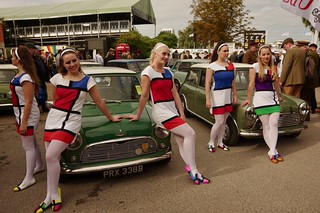
Classic Mary Quant Dress


The Genesis of a Fashion Icon
Dame Mary Quant emerged as a pivotal figure in the mid-20th century, fundamentally altering the trajectory of fashion. Born in 1930, her formative years coincided with a post-war era seeking liberation and a departure from sartorial conservatism. Quant's innate understanding of the burgeoning youth culture in London, particularly the Mod movement, allowed her to tap into a desire for self-expression and individuality.
Her boutique, Bazaar, opened in 1955, was not merely a retail space but a cultural nexus. It offered a stark contrast to the established haute couture houses, providing affordable, stylish, and playful garments that resonated with a generation eager to break free from tradition. Quant’s early success was built on an intuitive grasp of her target demographic’s aspirations and a willingness to challenge the status quo, positioning her as a leader in the emerging youth-centric fashion landscape.
Miniskirts, Hotpants, and the Democratization of Style
Mary Quant is indelibly linked to the popularization of the miniskirt and hotpants, garments that became potent symbols of the sexual revolution and female empowerment. While the exact origin of the miniskirt is debated, Quant's role in bringing it to the forefront of mainstream fashion is undeniable. Her designs were characterized by their daring hemlines, vibrant color palettes, and geometric patterns, all contributing to a youthful, energetic aesthetic.
Crucially, Quant championed the idea that fashion should be accessible and affordable. She worked with manufacturers to mass-produce her designs, making them available to a much wider audience than traditional couture. This democratization of style was revolutionary, allowing young women from all walks of life to participate in the era's fashion trends and express their burgeoning independence through their clothing choices.
Quant's Enduring Legacy
The significance of Mary Quant's contributions extends far beyond her most famous creations. She was a shrewd businesswoman who understood the power of branding and marketing, transforming her name into a global fashion empire. Her innovative approach to design, which prioritized wearability and comfort alongside style, laid the groundwork for contemporary fashion principles.
Quant's influence can be seen in the ongoing emphasis on casualization, self-expression, and the blurring of lines between high fashion and everyday wear. Her ability to anticipate and shape cultural shifts through her designs cemented her status as a cultural icon. Her work demonstrated that fashion could be a powerful vehicle for social change, challenging gender norms and celebrating youthful exuberance, leaving an indelible mark on the 20th century and beyond.
The 'Swinging Sixties' and Quant's Cultural Resonance
Mary Quant was not just a designer; she was an integral part of the 'Swinging Sixties' cultural phenomenon. London at this time was a global epicenter of creativity, music, and fashion, and Quant's designs perfectly captured its vibrant, optimistic spirit. Her clothes were featured in influential magazines and worn by trendsetters, solidifying her role as a key architect of the era's aesthetic.
The playful, daring, and modern nature of her designs mirrored the broader cultural shifts occurring, including advancements in music, art, and social attitudes. Her influence was so profound that Ernestine Carter, a respected fashion journalist, famously stated that few individuals in fashion history, like Chanel and Dior, possessed such a unique combination of talent, timing, and place as Mary Quant.
Go deeper
Frequently Asked Questions
What is Mary Quant famous for?+
Why did Mary Quant open her boutique called Bazaar?+
How did Mary Quant help make fashion cheaper for everyone?+
When did Mary Quant start her fashion career?+
Where did Mary Quant get her ideas from?+
Based on content from Wikipedia · Licensed under CC BY-SA 4.0