

Marsh Magic!
Images
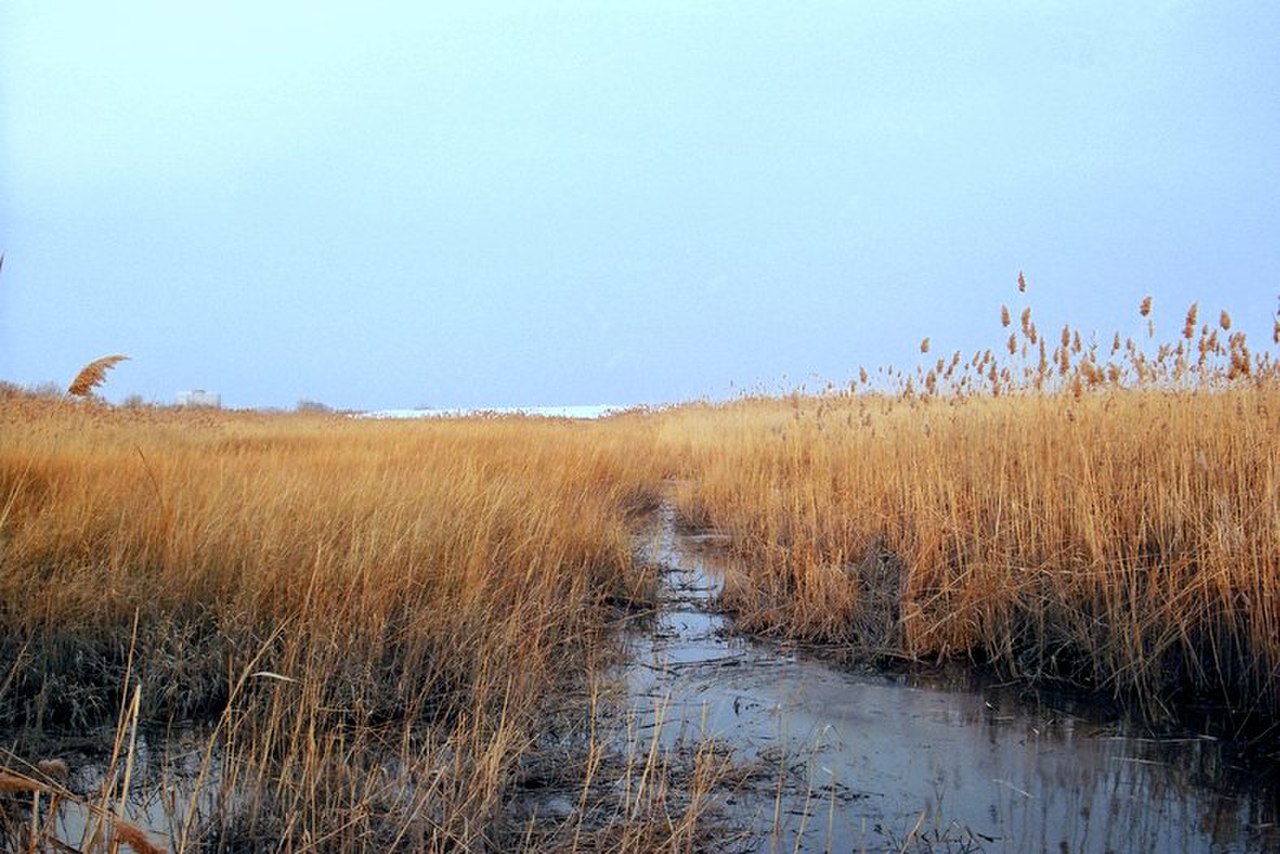
Marsh





Marsh Ecology
Marshes represent a distinct category within wetland ecosystems, primarily defined by their dominance of herbaceous vegetation over woody plants. This characteristic shapes their unique ecological niche. Unlike swamps, which are forested wetlands, or mires characterized by acidic peat accumulation, marshes are typically found at the interface between aquatic and terrestrial environments, such as along the edges of lakes, rivers, and coastlines.
The substrate is usually waterlogged, supporting a rich diversity of grasses, sedges, rushes, and reeds. This vegetation structure creates a complex habitat mosaic, offering varied microhabitats that support a disproportionately high level of biodiversity. They serve as crucial breeding grounds, feeding areas, and migratory stopovers for numerous species, including invertebrates, fish, amphibians, reptiles, waterfowl, and aquatic mammals.
The productivity of marshes is fundamental to supporting food webs that extend beyond the marsh itself.
The Indispensable Services of Marshes
Marshes perform vital ecosystem services that benefit both the environment and human societies. Hydrologically, they act as natural regulators, absorbing excess water from precipitation events and tidal surges. This capacity significantly mitigates flood risks in adjacent terrestrial areas and helps to recharge groundwater systems.
Their ability to attenuate wave energy also plays a crucial role in coastal erosion control. Ecologically, marshes are significant carbon sinks. The waterlogged, anoxic conditions in marsh soils slow down decomposition, leading to the accumulation of organic matter and the sequestration of substantial amounts of carbon.
Globally, marshes store a significant percentage of terrestrial carbon, making their preservation critical for climate change mitigation. Their role in filtering pollutants from water also contributes to maintaining water quality in connected waterways.
Evolution and Classification
The concept of a marsh has evolved over time and varies geographically. Historically, the term 'marsh' could also refer to low-lying, seasonally waterlogged terrain, including polderlands in Europe that required drainage for agricultural use. Ecologically, the classification distinguishes marshes from other wetland types: swamps (dominated by trees), bogs (acidic, peat-forming wetlands), and fens (minerally rich wetlands).
A marsh dominated by low-growing woody shrubs is sometimes termed a 'carr'. Understanding these classifications is important for conservation efforts, as different wetland types support distinct flora and fauna and provide unique ecosystem services. The dynamic nature of marshes means their boundaries and characteristics can shift over time due to natural processes and anthropogenic influences.
Contemporary Challenges
Despite their immense value, marshes worldwide are facing unprecedented threats, primarily driven by climate change. Rising sea levels pose a direct threat to coastal marshes, leading to inundation and erosion. While some marshes can migrate inland to higher ground, this process is often impeded by human infrastructure, such as roads, buildings, and agricultural land.
This 'coastal squeeze' limits their ability to adapt. Changes in precipitation patterns and increased frequency of extreme weather events can also disrupt marsh ecosystems. The loss of marshland has profound implications for biodiversity, water quality, flood protection, and carbon storage.
Effective conservation strategies, including habitat restoration and the creation of migration corridors, are essential to ensure the long-term survival of these critical ecosystems.
Go deeper
Frequently Asked Questions
What is a marsh and how is it different from a swamp?+
Why are marshes important for animals and plants?+
How do marshes help protect the coast from floods and waves?+
Where can we find marshes around the world?+
Are marshes at risk from climate change?+
Based on content from Wikipedia · Licensed under CC BY-SA 4.0