

Markazi Province
Images

Tafresh city Markazi Province Iran Mostafa Meraji 01

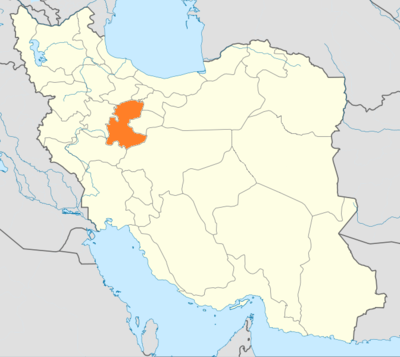


Geopolitical Significance and Environmental Dynamics
Markazi Province occupies a pivotal position in Iran's geography, serving as a central hub that connects various regions of the country. Its location, south of the capital Tehran, makes it strategically important for logistics, transportation, and national development initiatives. The province's topography is largely defined by the western extensions of the Zagros Mountains, creating a rugged, mountainous terrain in some areas and more accessible, fertile plains and valleys in others.
This geographical diversity dictates the regional climate, which is predominantly continental, characterized by arid to semi-arid conditions, hot summers, and cold, snowy winters, particularly at higher altitudes. The province's natural resources, including mineral deposits and arable land, have historically influenced settlement patterns and economic activities. Understanding Markazi's geography is key to appreciating its role as a crossroads and its potential for both industrial growth and agricultural productivity, while also acknowledging the environmental challenges associated with water scarcity and land management in an arid region.
Historical Tapestry and Cultural Continuity
The historical narrative of Markazi Province is deeply interwoven with the broader history of Persia and Iran. Evidence of ancient civilizations and settlements suggests a long-standing human presence, drawn by the region's strategic location and resources. Throughout various empires and dynasties, Markazi has served as a vital transit route and a center for regional administration, contributing to its enduring significance. The province is dotted with historical sites, including ancient ruins, traditional caravanserais, and old urban centers that reflect centuries of architectural evolution and cultural exchange.
The very name 'Markazi,' meaning 'central,' is a historical descriptor of its consistent importance within the Iranian plateau. Today, many of these historical towns and villages actively preserve their heritage, offering tangible links to the past through their architecture, customs, and the continuation of traditional crafts, most notably the world-renowned Persian carpet weaving, which is a cornerstone of the province's cultural identity and economic heritage.
Socio-Economic Landscape
Markazi Province stands as one of Iran's most significant industrial centers, contributing substantially to the national economy. The province is a powerhouse in heavy industry, with a strong presence in the automotive sector, petrochemicals, metal production, and machinery manufacturing. This industrial base provides significant employment opportunities, drawing a substantial workforce and shaping the socio-economic fabric of urban areas like Arak.
Alongside its industrial might, agriculture remains a vital sector, particularly in the more fertile regions, where crops such as wheat, barley, fruits, and vegetables are cultivated. However, Markazi is perhaps most globally recognized for its artisanal heritage, especially its exquisite hand-woven Persian carpets. The intricate designs, vibrant colors, and high-quality craftsmanship of these carpets are celebrated worldwide, representing a fusion of artistic tradition and skilled labor.
This dual economic identity-a modern industrial giant and a custodian of ancient craft-defines Markazi's unique economic landscape and its contribution to Iran's diverse economy.
Governance and Development Frameworks
As a province within the Islamic Republic of Iran, Markazi operates under a structured system of governance. The provincial administration is headed by a Governor-General, appointed by the central government, who oversees the implementation of national policies and manages provincial affairs. This leadership is supported by provincial councils and various government ministries and departments responsible for specific sectors such as economy, education, health, and infrastructure.
The provincial government plays a crucial role in resource allocation, development planning, and ensuring public services reach the populace. Markazi's strategic location and industrial capacity make it a focal point for national development strategies aimed at economic growth, job creation, and technological advancement. The interplay between central government directives and local administrative bodies shapes the province's trajectory, balancing industrial expansion with social welfare and cultural preservation efforts.
Educational Infrastructure and Human Capital Development
Markazi Province places a strong emphasis on education as a cornerstone for societal progress and economic development. The province boasts a comprehensive educational system, starting from primary and secondary schools that provide foundational learning to a growing network of higher education institutions. Universities and technical colleges, particularly in the capital city of Arak, offer specialized programs in fields crucial to the province's industrial and economic strengths, such as engineering, management, and applied sciences.
This focus on higher education aims to cultivate a skilled workforce capable of meeting the demands of its advanced industries and contributing to innovation. Furthermore, educational initiatives often extend to vocational training programs designed to enhance the skills of the local labor force, particularly in traditional crafts like carpet weaving and modern industrial trades. The commitment to education in Markazi is integral to its strategy of developing human capital and ensuring sustainable growth.
See also
Frequently Asked Questions
What is Markazi Province known for?+
Why is Markazi Province called "Markazi"?+
How do the mountains affect life in Markazi?+
What kinds of jobs do people have in Markazi?+
Why are Persian carpets from Markazi famous?+
Based on content from Wikipedia · Licensed under CC BY-SA 4.0