

Manneken Pis
Images

Manneken Pis




From Medieval Origins to Baroque Icon
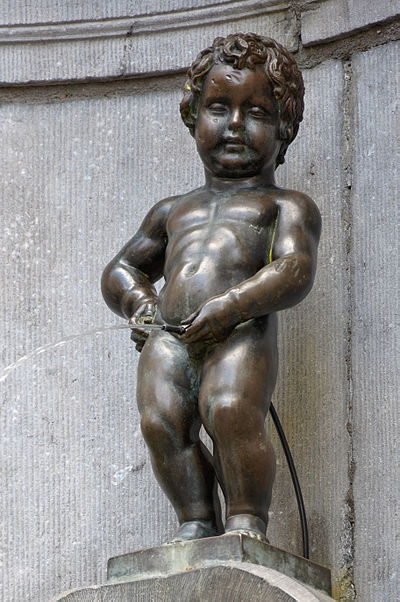
Manneken Pis, a diminutive bronze fountain sculpture standing a mere 55.5 cm tall, is far more than a quirky tourist attraction; it is a deeply embedded symbol of Brussels and Belgian identity. Its origins are shrouded in time, with historical records attesting to its existence as early as the mid-15th century. However, the sculpture that graces its famous blue stone niche today, a masterpiece of rocaille style added in 1770, is largely the work of Brabantine sculptor Jérôme Duquesnoy the Elder, installed in 1619.
This transformation from an early, possibly more rudimentary, form to the more refined Baroque depiction highlights a deliberate effort to create a lasting artistic statement. The statue’s enduring presence, despite numerous acts of vandalism and theft throughout its history, speaks to its profound cultural resonance. The continuous need to replace and protect it underscores its importance as a cherished civic monument, evolving from a simple water feature to a complex cultural icon.
A History of Resilience
The narrative of Manneken Pis is punctuated by a remarkable resilience, marked by repeated instances of theft and damage. These incidents, far from diminishing its status, have paradoxically amplified its fame and cemented its place in the collective consciousness. The statue’s vulnerability has necessitated extraordinary measures for its preservation.
Since 1965, a replica has stood in its place, a testament to the public’s desire to maintain the visual continuity of this beloved landmark. The original sculpture, meanwhile, is housed in the Brussels City Museum, where it is protected and can be studied by art historians. This dual existence – the public replica and the private original – reflects a sophisticated approach to heritage management, balancing accessibility with the imperative of safeguarding a priceless piece of cultural history.
The very act of its repeated endangerment and subsequent restoration has woven a compelling story of defiance and enduring spirit.
The Multifaceted Significance of a Peeing Boy
Manneken Pis transcends its literal depiction to embody several layers of meaning crucial to understanding Brussels and Belgian culture. It is a potent symbol of 'belgitude,' representing a unique national identity characterized by a blend of influences and a distinct sense of self. Furthermore, the statue is intrinsically linked to 'zwanze,' a form of Brussels folk humor that is often ironic, self-deprecating, and playfully absurd.
This humor allows the city to engage with its own identity in a lighthearted, non-pretentious manner. The statue’s simple, unpretentious act of urination is interpreted as a gesture of defiance, independence, and a rejection of pomposity. It has inspired numerous legends, each attempting to explain its origin and purpose, further embedding it in the cultural fabric.
Its widespread recognition has also led to countless imitations and similar statues, both nationally and internationally, solidifying its status as a global cultural phenomenon.
The GardeRobe
The profound affection for Manneken Pis is perhaps best illustrated by its extraordinary wardrobe, comprising approximately one thousand distinct costumes. This vast collection transforms the statue from a static monument into a dynamic cultural entity, capable of reflecting diverse historical periods, professions, and cultural events. Each costume is meticulously designed and often donated by various organizations or individuals, further integrating the statue into the community.
Since 2017, this impressive collection has been given its own dedicated space, the GardeRobe MannekenPis museum, located on the same street as the statue. This museum not only preserves the costumes but also provides context, allowing visitors to appreciate the artistry and the symbolic significance of each ensemble. The exhibition of these costumes highlights the statue's role as a canvas for celebrating Belgian heritage and global culture.
Artistic Evolution and Functional Design
The artistic journey of Manneken Pis showcases a fascinating interplay between artistic vision and functional design. While the current bronze sculpture, installed in 1619, is attributed to Jérôme Duquesnoy the Elder and represents a Baroque aesthetic, its purpose as a fountain has remained constant. The design ingeniously integrates the water flow mechanism within the form of a playful child.
This fusion of art and utility is characteristic of many historical public fountains, which served practical purposes while also acting as decorative and symbolic elements within urban landscapes. The statue's enduring appeal lies in its ability to provoke thought and amusement through its simple, yet profound, act. The continuous stream of water, a fundamental aspect of its fountain design, ensures its dynamic presence, making it a living piece of art that engages with its environment and its audience on a daily basis.
The surrounding rocaille niche, added in 1770, further contextualizes the sculpture within a specific period of decorative art, demonstrating how the monument has been integrated into evolving urban aesthetics.
See also
Frequently Asked Questions
What is Manneken Pis?+
Why is there a replica of Manneken Pis?+
Where can I see the original Manneken Pis?+
How many costumes does Manneken Pis wear?+
Why do people dress Manneken Pis in funny clothes?+
Based on content from Wikipedia · Licensed under CC BY-SA 4.0