

Makers Academy
Images
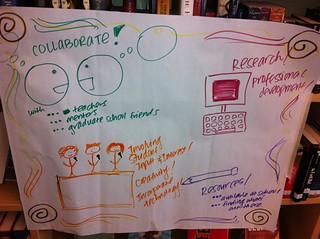
Teachers as Makers Academy New York


The Genesis and Evolution of Makers Academies
Makers Academies emerged as a formalization of the burgeoning 'maker movement,' a subculture that gained significant momentum in the mid-2000s. This movement is characterized by a DIY ethos, a passion for tinkering, and a belief in the power of accessible technology. Early iterations of maker spaces, often found in libraries or community centers, provided shared access to tools like 3D printers and laser cutters, fostering a culture of experimentation and knowledge sharing.
Makers Academies evolved from these informal spaces into more structured educational environments, often affiliated with universities, high schools, or independent organizations. Their curriculum is designed to bridge the gap between theoretical knowledge and practical application, teaching skills that are highly relevant in today's rapidly advancing technological landscape. This evolution reflects a growing recognition of the need for agile, adaptable learning environments that can keep pace with innovation.
Pedagogical Frameworks and Practical Applications
The pedagogical approach within Makers Academies is fundamentally rooted in constructivism and experiential learning. Students are not passive recipients of information but active participants in their own learning journey. Project-based learning is central, where complex challenges are presented, requiring students to ideate, design, prototype, test, and iterate.
This process cultivates critical thinking, problem-solving, and resilience in the face of failure. The tools and technologies available-ranging from microcontrollers and robotics kits to advanced software for digital fabrication-serve as the medium for this learning. Students might learn to program autonomous vehicles, develop interactive art installations, design functional prototypes for consumer products, or even engage in bio-hacking.
The emphasis is on developing a deep understanding of how technology works by actively manipulating and creating with it, fostering a sense of agency and empowerment.
The Societal and Economic Imperative of Maker Education
Makers Academies address a critical societal and economic need by equipping individuals with the skills essential for the modern workforce. They cultivate a generation that is not only technologically proficient but also innovative, entrepreneurial, and capable of adapting to evolving industries. The ability to design, build, and troubleshoot complex systems is highly valued across sectors, from advanced manufacturing and software development to healthcare and renewable energy.
Furthermore, these academies democratize access to cutting-edge technology and the skills to use it, potentially leveling the playing field and fostering innovation from diverse backgrounds. By demystifying complex technologies and encouraging creative problem-solving, Makers Academies contribute to a more dynamic and resilient economy, fostering a culture of continuous improvement and innovation.
Beyond the Workshop
The impact of Makers Academies often extends beyond individual skill development to fostering robust communities of practice. These spaces are inherently collaborative, bringing together individuals with diverse backgrounds and skill sets. This interdisciplinary environment encourages cross-pollination of ideas, leading to novel solutions and unexpected innovations.
Many Makers Academies also serve as incubators for startups and entrepreneurial ventures, providing not only tools and training but also mentorship and networking opportunities. They can act as vital nodes in local innovation ecosystems, connecting students, educators, industry professionals, and community members. This collaborative spirit is crucial for tackling complex, real-world problems that often require multifaceted approaches and diverse perspectives.
Future Trajectories and Educational Integration
The influence of Makers Academies is increasingly being integrated into mainstream educational systems. Schools are recognizing the value of hands-on, technology-rich learning experiences and are incorporating maker spaces and maker-centric curricula into their offerings. This integration aims to provide students with a more engaging and relevant education, preparing them for higher education and future careers.
The future of Makers Academies likely involves further specialization, deeper integration with emerging technologies like AI and virtual reality, and a continued focus on fostering entrepreneurial thinking. As technology continues to advance at an unprecedented pace, the role of Makers Academies in cultivating adaptable, creative, and skilled individuals will only become more critical.
See also
Based on content from Wikipedia · Licensed under CC BY-SA 4.0