

Macaw
Images

Blue Throated Macaw
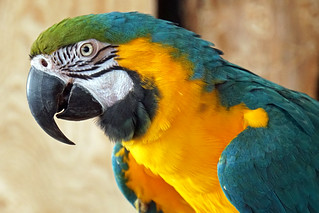


Avian Architects of the Neotropics
Macaws, belonging to the tribe Arini, represent a spectacular radiation of Neotropical parrots, characterized by their striking dimorphism in coloration and their substantial size. These long-tailed birds inhabit a diverse range of environments across Central and South America, from dense tropical rainforests to open savannas and even scrublands. Their ecological niche is defined by their specialized diets and their role as significant seed dispersers.
The powerful, hooked beaks of macaws are formidable tools, enabling them to access nutrient-rich seeds and nuts that are inaccessible to most other frugivores and granivores. This dietary specialization allows them to exploit resources that contribute to their survival and reproductive success. Furthermore, their vibrant plumage, far from being mere decoration, plays a crucial role in intraspecific communication, mate selection, and potentially even camouflage within the complex visual environment of the forest canopy.
The sheer diversity within the macaw genera, including Ara, Anodorhynchus, and Cyanopsitta, reflects millions of years of evolutionary adaptation to varied ecological pressures.
Dietary Adaptations and Geophagy
The feeding ecology of macaws is a testament to their adaptive capabilities. Their diet is predominantly herbivorous, consisting of fruits, seeds, nuts, and flowers. However, their ability to process hard-shelled nuts is a key differentiator, allowing them to thrive in resource-rich but competitive environments.
A particularly fascinating aspect of their diet is geophagy, the consumption of earth or soil, often from specific clay licks. This behavior is not merely incidental; it is a deliberate act believed to serve multiple crucial functions. The clay is thought to bind with and neutralize toxins present in certain seeds and unripe fruits, rendering them digestible and safe.
Additionally, these clay deposits are rich in essential minerals, such as sodium, calcium, and magnesium, which are vital for bone health, eggshell formation, and overall physiological function, especially for birds that may not obtain sufficient quantities from their regular diet. This practice underscores a sophisticated understanding of their environment and a reliance on specific geological resources for optimal health.
Longevity and Social Cognition
Macaws are celebrated for their exceptional longevity, with some species capable of living for up to 80 years or even longer in protected environments such as zoological parks or as companion animals. This remarkable lifespan is among the longest of any avian species, rivaling that of some humans. Such extended lifespans have profound implications for their social structures and cognitive development.
Macaws are highly social, typically forming strong pair bonds that can last a lifetime, and often live in cohesive flocks. These social dynamics necessitate complex communication systems, involving a wide repertoire of vocalizations, from piercing calls to more nuanced squawks, used for territorial defense, alarm signaling, and maintaining social cohesion. Their intelligence is also evident in their problem-solving abilities and capacity for learning, making them subjects of interest in studies of animal cognition.
The long-term social bonds and extended learning periods contribute to their complex behavioral repertoires and adaptability.
Conservation Imperatives
Despite their ecological importance and remarkable resilience, many macaw species are facing severe conservation challenges, with several listed as Endangered or Vulnerable by the IUCN. The primary driver of this decline is habitat loss and fragmentation, largely due to deforestation for cattle ranching, agriculture, logging, and urban expansion across their Neotropical range. This destruction of their forest homes directly impacts their ability to find food, suitable nesting sites, and mates.
Compounding this issue is the persistent threat of illegal wildlife trade. Macaws are highly sought after in the aviculture market due to their beauty and intelligence, leading to unsustainable levels of capture from wild populations. Conservation strategies are multifaceted, focusing on habitat protection and restoration, the establishment of protected areas, anti-poaching enforcement, and community-based conservation initiatives.
Captive breeding programs and reintroduction efforts also play a role, but ultimately, the long-term survival of macaws hinges on preserving their natural habitats and mitigating human-induced pressures.
See also
Frequently Asked Questions
What makes macaws so colorful and big?+
Where do macaws live and what do they eat?+
Why do macaws eat dirt or clay?+
How long can a macaw live, and why do they live so long?+
Are macaws friendly and social with other birds or people?+
Based on content from Wikipedia · Licensed under CC BY-SA 4.0