

Litre
Images
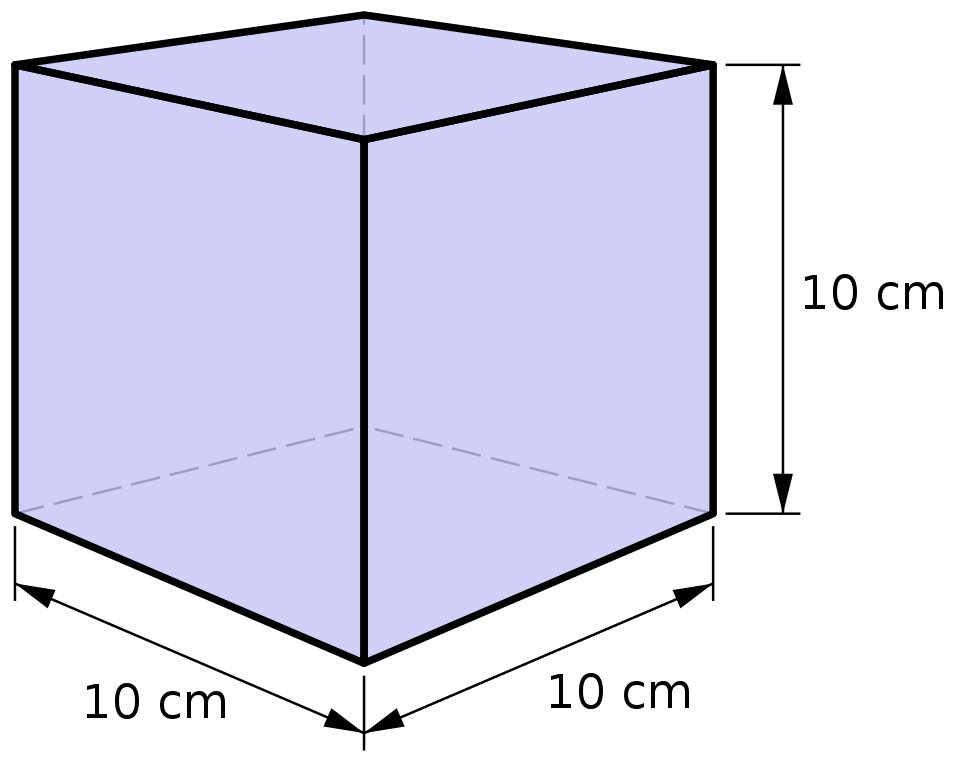
Litre
Defining the Litre
The litre (symbol L or l) is a unit of volume widely used in the metric system. It is precisely defined as being equal to one cubic decimetre (dm³). This geometric definition means a litre is the volume contained within a cube measuring 10 centimeters on each side (10 cm × 10 cm × 10 cm).
Consequently, one litre is also equivalent to 1000 cubic centimeters (cm³). While the International System of Units (SI) designates the cubic meter (m³) as its base unit for volume, the litre is accepted for use with the SI due to its practical utility. This acceptance acknowledges its deep integration into scientific, industrial, and everyday measurements globally, offering a more manageable scale than the vast cubic meter for common applications.
Tracing the Litre's Lineage
The nomenclature 'litre' has a rich etymological history. It originates from the older French unit, the 'litron'. The 'litron' itself traces back to Byzantine Greek, where it was paradoxically used as a unit of weight, not volume.
This unit was adopted into Late Medieval Latin before evolving into the French 'litre'. The litre was established as a fundamental unit within the original French metric system. Its inclusion in subsequent revisions of the metric system and its continued acceptance alongside SI units underscore its historical importance and enduring practicality.
The International Bureau of Weights and Measures (BIPM) officially uses the spelling 'litre', which is also prevalent in most English-speaking nations, distinguishing it from the predominantly American spelling 'liter'.
The Enduring Significance of the Litre in Science and Society
The litre's significance lies in its role as a highly practical and relatable unit for measuring volume, particularly for liquids. It bridges the gap between the abstract base SI unit of the cubic meter and the tangible quantities encountered in daily life. For instance, a 2-litre bottle of a beverage is a common consumer measure, far more intuitive than 0.002 cubic meters.
In scientific contexts, while precise calculations might use cubic meters or cubic centimeters, the litre remains indispensable for laboratory work, medical dosages, and fluid dynamics where intermediate scales are frequently required. Its historical connection to the mass of water also cemented its foundational place in metrology, linking volume to mass in a way that facilitated early scientific understanding and standardization.
The Litre-Kilogram Nexus
A remarkable historical aspect of the litre is its intimate relationship with the kilogram. The original definition of the kilogram in 1795 was based on the mass of one cubic decimetre (i.e., one litre) of water at the temperature of melting ice (0°C). This definition provided a direct and intuitive link between the units of volume and mass within the metric system.
Although subsequent redefinitions of the metre and the kilogram, based on more fundamental physical constants, have rendered this relationship no longer exact, it remains a close approximation. This historical nexus highlights the thoughtful design of the early metric system, aiming for interlinked and easily reproducible standards derived from natural phenomena.
See also
Frequently Asked Questions
What is a litre?+
How big is a litre compared to a cube?+
Why do we use the litre instead of a cubic meter?+
Where does the word "litre" come from?+
How is a litre related to the kilogram?+
Based on content from Wikipedia · Licensed under CC BY-SA 4.0