

List of World Heritage in Danger
Images

Mont Saint-Michel, France ESA394286



The Sentinel of Vulnerability
The List of World Heritage in Danger serves as a critical, albeit sometimes controversial, mechanism within the framework of the World Heritage Convention. Established under Article 11.4, its primary function is to identify World Heritage Sites that are facing severe threats necessitating major conservation operations and for which international assistance has been requested. This list is not merely an academic registry; it is a proactive tool designed to galvanize global attention and resources towards sites whose integrity, authenticity, or universal value is demonstrably at risk.
Threats can range from proven, imminent dangers, such as armed conflict or rapid environmental deterioration, to potential risks like ill-conceived development projects or inadequate management systems. The inscription process involves a rigorous assessment of the site's condition and the development of a corrective action program in collaboration with the concerned State Party, underscoring the principle of shared responsibility in heritage protection.
Evolution of a Crisis Indicator
Since its inception, the List of World Heritage in Danger has evolved significantly, reflecting changing global challenges and the complexities of heritage management. Initially conceived to support sites in need, its implementation has sometimes led to friction between UNESCO and State Parties. A pivotal shift occurred in 1992 when UNESCO began inscribing sites on the danger list even without the explicit prior consent of the State Party, a move that established a precedent for more assertive intervention.
This departure from the earlier practice of requiring a pre-submitted program of corrective measures transformed the list's perceived role. While intended as a call to action and a means to secure aid, some nations view it as a punitive 'black list,' potentially impacting national prestige and tourism. This tension highlights the ongoing debate about the balance between national sovereignty and the universal responsibility for safeguarding shared heritage.
The Imperative of Preservation
The significance of the List of World Heritage in Danger extends far beyond the immediate preservation of individual sites. These endangered locations often represent irreplaceable repositories of human history, cultural diversity, and natural biodiversity. The loss of a cultural heritage site can mean the erasure of collective memory, artistic achievement, and unique traditions.
Similarly, the degradation of natural sites can lead to irreversible ecological damage, species extinction, and the loss of vital ecosystem services. By highlighting these vulnerabilities, the list underscores the interconnectedness of global heritage and the shared human responsibility to protect it. It serves as a stark reminder that heritage is not static but dynamic, requiring constant vigilance and adaptive management in the face of evolving threats, from climate change to geopolitical instability.
Operationalizing Protection
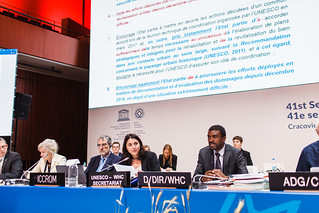
The process for listing a site on the List of World Heritage in Danger is multi-faceted. It begins with monitoring and assessment by UNESCO and its advisory bodies, such as the International Union for Conservation of Nature (IUCN) and the International Council on Monuments and Sites (ICOMOS). Following an assessment, if a site is deemed to be under serious threat, a proposal for inscription is made to the World Heritage Committee.
The Committee then makes the final decision. Once listed, the site becomes eligible for financial assistance from the World Heritage Fund, which is crucial for implementing the agreed-upon corrective measures. The conservation status of listed properties is reviewed annually, allowing the Committee to decide on further actions, including the potential removal of the site from the danger list if threats are mitigated, or even deletion from both the danger list and the main World Heritage List if conservation efforts are unsuccessful or the site is irrevocably damaged.
Case Studies in Conservation and Controversy
The impact of the List of World Heritage in Danger is evident in numerous success stories. Sites like the Galápagos Islands and Yellowstone National Park have been removed from the list after successful interventions demonstrated the efficacy of international cooperation and targeted conservation efforts. Conversely, the list has also been a focal point of criticism.
Concerns have been raised regarding the potential for the list to be used as a political tool or that prolonged listing without clear progress can be counterproductive. The International Union for Conservation of Nature (IUCN) has noted instances where the threat of listing, rather than actual inscription, has prompted action. As of April 2024, 56 sites are listed, with significant numbers in regions affected by conflict, such as Syria and the Democratic Republic of the Congo, underscoring the ongoing challenges posed by war and environmental degradation to global heritage preservation.
See also
Based on content from Wikipedia · Licensed under CC BY-SA 4.0