

List of Major League Baseball All-Star Games
Images

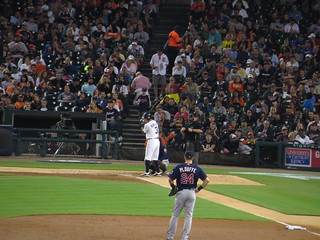
Ian Kinsler, Detroit Tigers 6, Minnesota Twins 4, Comerica Park, Detroit, Michigan (21721409775)




Genesis and Evolution of the Midsummer Classic
The Major League Baseball All-Star Game, conceived as the 'Game of the Century' by Chicago Tribune sports editor Arch Ward, debuted in 1933 at Chicago's Comiskey Park. Its primary objective was to showcase the league's premier talent in an exhibition format, fostering goodwill and fan engagement. Initially intended as a one-off event, its overwhelming success led to its establishment as an annual tradition.
The game's format has seen minor alterations, most notably the brief period between 1959 and 1962 when two All-Star Games were played each season, a decision driven by the desire to increase revenue and provide more opportunities for fans to witness the sport's elite. This era also saw the introduction of the All-Star Game MVP Award in 1962, with Maury Wills of the Los Angeles Dodgers being the inaugural recipient, establishing a new tradition of recognizing individual brilliance within the collective showcase.
The Shifting Tides of League Dominance
The historical record of the MLB All-Star Game is a compelling narrative of fluctuating dominance between the American League (AL) and the National League (NL). The AL enjoyed an early period of success, winning 12 of the first 16 contests. However, the NL then embarked on an era of unprecedented control, achieving a remarkable 33-8-1 record from 1950 to 1987, including a staggering 19 victories in 20 games between 1963 and 1982.
This period of NL supremacy was eventually challenged by the AL's resurgence. Since 1988, the AL has held a significant advantage, boasting a 28-8-1 record. This shift culminated in 2018 when the AL reclaimed the series lead for the first time since 1963, illustrating the dynamic nature of talent distribution and team performance across both leagues over the decades.
Beyond the Scoreboard
The selection of host cities for the All-Star Game is a strategic process, often prioritizing cities with recently constructed ballparks or those that have not hosted the event in a considerable period. This ensures a fresh experience for players and fans alike and provides a platform to showcase modern baseball facilities. The game's history is also marked by notable records, including the longest duration.
The 2008 All-Star Game stands out, lasting an epic 4 hours and 50 minutes and extending into 15 innings, a record it shares with the 1967 game. These marathon contests underscore the competitive spirit and the extraordinary endurance of the athletes involved, transforming the exhibition into a truly memorable sporting event.
The Enduring Significance and Cultural Impact of the All-Star Game
Despite being an exhibition game with no bearing on the postseason standings, the MLB All-Star Game retains significant cultural and statistical importance. It serves as a mid-season barometer of baseball's most exceptional talent, offering fans an unparalleled opportunity to witness individual brilliance and inter-league rivalries. The game acts as a powerful marketing tool, generating substantial revenue and media attention, thereby promoting the sport to a broader audience.
Furthermore, the historical records and narratives established during the All-Star Game contribute to baseball's rich lore, providing talking points and fueling debates among fans for generations. Its consistent ability to draw attention and celebrate the game's heroes solidifies its status as a cherished and integral part of the baseball calendar.
See also
Frequently Asked Questions
What is the MLB All-Star Game?+
When did the first All-Star Game happen?+
Why were there two All-Star Games in some years?+
Who won the first All-Star Game MVP award?+
Which league has won more All-Star Games recently?+
Based on content from Wikipedia · Licensed under CC BY-SA 4.0