

Limón: Costa Rica's Colorful Caribbean Port!
Images

Escudo de Limón


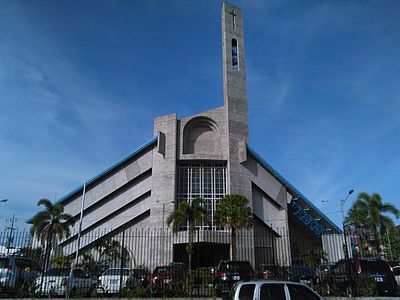


The Genesis of a Planned Port City
Limón, officially Puerto Limón, stands as a testament to deliberate urban planning, established in the mid-19th century to serve as Costa Rica's primary maritime gateway on the Caribbean coast. Founded in 1854 and officially recognized as a district in 1870, it was conceived as one of the nation's 'middle cities,' designed to balance development beyond the central highlands. Its strategic positioning near the Panama Canal is paramount, facilitating direct trade routes to North America, South America, Europe, and the wider Caribbean.
This geographical advantage has cemented Limón's role as a vital economic engine for Costa Rica. The modern infrastructure, including the Moín Container Terminal operated by APM Terminals and the state-run JAPDEVA port, underscores its continued importance in international logistics and trade, handling substantial cargo volumes that are critical for the nation's economy.
Historical Layers
The historical significance of Limón is multi-layered, stretching back to the Age of Exploration. Christopher Columbus made a documented stop in the area during his fourth voyage in 1502, landing near a settlement known locally as Cariay, with the island of Quiribrí nearby. However, its modern identity is deeply intertwined with the late 19th-century construction of the Atlantic Railroad. This ambitious project attracted a large labor force, predominantly from Jamaica and other English-speaking Caribbean islands. Government policies, including travel restrictions that confined many Afro-Caribbean individuals to the Limón province, fostered the establishment of a distinct and enduring Afro-Costa Rican community.
This historical influx and subsequent settlement patterns have profoundly shaped Limón's unique cultural landscape, making it a cornerstone of Costa Rican multiculturalism.
A Crucible of Afro-Caribbean Culture and Language
Limón is celebrated as one of Costa Rica's most culturally and racially diverse cities, largely due to its significant Afro-Costa Rican population. The legacy of Jamaican immigration has resulted in a vibrant cultural tapestry, distinct from the rest of the country. A key element of this heritage is the Limonese Creole language, an English-based creole that serves as a powerful marker of identity and community cohesion.
While Spanish is the official language, Limonese Creole thrives in Limón, reflecting a unique linguistic evolution. This cultural richness extends to music, cuisine, and social customs, contributing to Limón's distinctive character and its role as a vital center for Afro-Caribbean heritage within Costa Rica, fostering a strong sense of belonging and shared history among its residents.
Contemporary Challenges
Despite its strategic importance and rich cultural heritage, Limón grapples with significant socio-economic challenges. The city faces a severe issue with rising crime rates, exacerbated by its role as a key transit point for international drug trafficking. The confluence of drug cartels utilizing the port facilities has led to an alarming increase in violence and a negative impact on the quality of life for its inhabitants.
Addressing these security concerns is paramount for the city's future stability and economic development. Concurrently, plans are underway to further develop the port, including potential conversion into a major passenger terminal for cruise ships. Balancing the need for economic growth and modernization with the imperative to ensure public safety and social well-being remains the critical challenge for Limón's ongoing development.
See also
Frequently Asked Questions
What is Limón?+
Where is Limón located?+
Why is Limón important for Costa Rica?+
Who lives in Limón and what is special about their culture?+
Why is Limón facing crime problems?+
Based on content from Wikipedia · Licensed under CC BY-SA 4.0