

Limburger Cheese: The Smelly, Delicious Secret!
Images
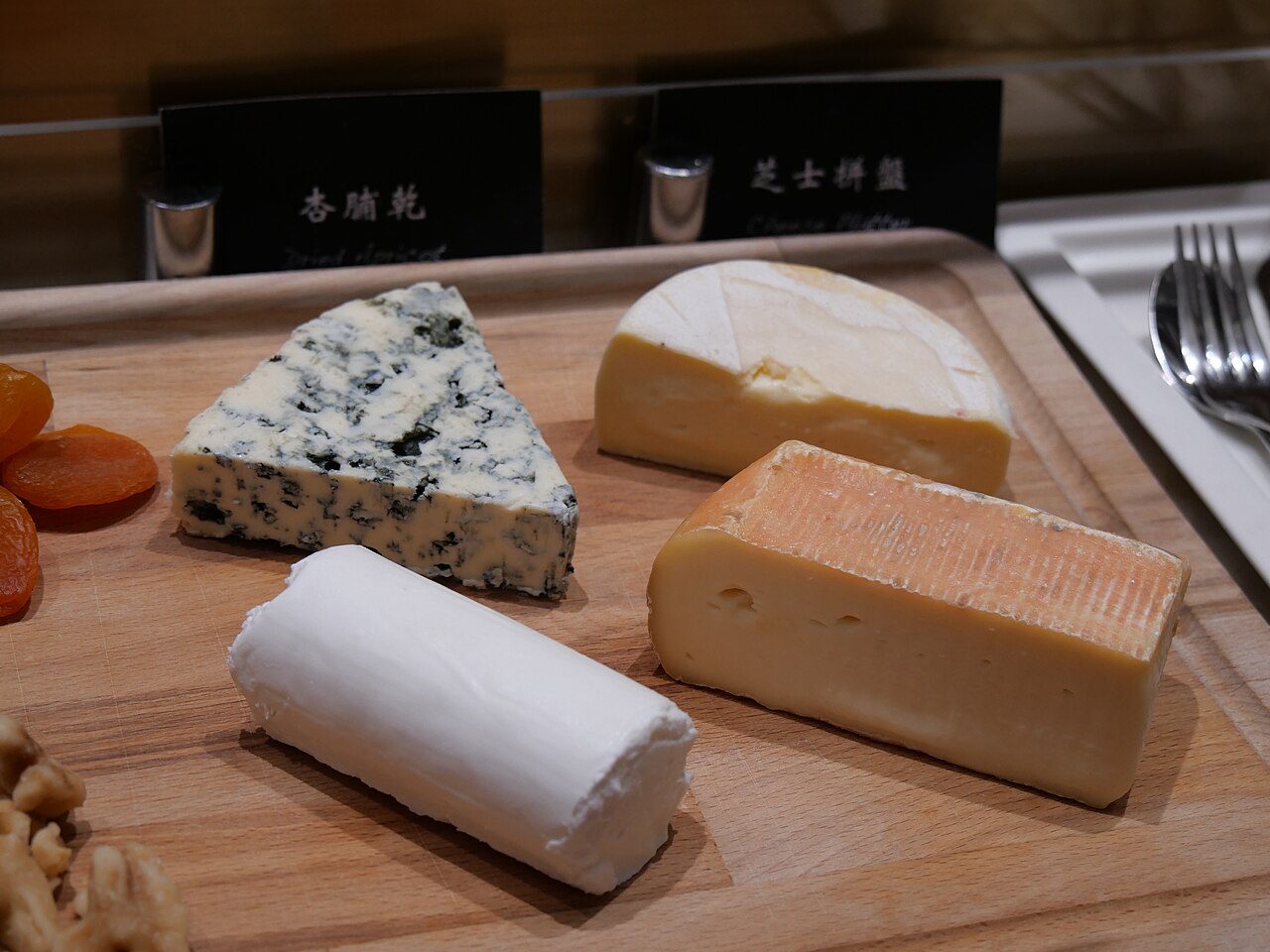
Four cheese platter at Le Menu


The Olfactory Signature
Limburger cheese is a quintessential example of a smear-ripened cheese, a category defined by its distinctive, often pungent, aroma and characteristic reddish-orange rind. The olfactory profile of Limburger is dominated by volatile sulfur compounds, primarily derived from the metabolic activity of Brevibacterium linens. This ubiquitous bacterium, also found on human skin, plays a pivotal role in the cheese's ripening process.
During aging, the cheese is repeatedly washed with a brine solution, creating an alkaline environment on the surface that is ideal for B. linens proliferation. As these bacteria break down milk proteins and fats, they release compounds like methanethiol and dimethyl sulfide, which are responsible for the cheese's infamous 'stinky' smell. Paradoxically, this powerful aroma often belies a surprisingly mild, tangy, and creamy flavor profile, making Limburger a fascinating study in sensory perception and the complex interplay between smell and taste in food.
Historical Trajectory
The origins of Limburger cheese are firmly rooted in the Limburg region, an area historically encompassing parts of present-day Belgium, the Netherlands, and Germany. Its production dates back to the mid-19th century, where it was a staple among local farmers, utilizing readily available cow's milk. The cheese's unique characteristics soon garnered attention beyond its regional confines.
It became particularly popular in Germany, where it was a common fixture in taverns and homes, often consumed as a late-night snack or a hearty accompaniment to beer. The wave of European immigration to the United States in the late 19th and early 20th centuries brought Limburger cheese and its associated culinary traditions across the Atlantic. It quickly established itself in American delicatessens and immigrant communities, solidifying its status as a cultural food item, famously paired with rye bread, onions, and mustard, a tradition that persists today.
Microbial Alchemy
The transformation of simple milk into Limburger cheese is a testament to applied microbiology and controlled fermentation. The critical stage is the ripening process, where the surface of the cheese is meticulously washed with a brine solution. This brine not only adds salt, enhancing flavor and acting as a preservative, but also cultivates a specific microbial environment.
The alkaline pH fostered by the brine encourages the growth of Brevibacterium linens, outcompeting other potential microbes and dictating the cheese's characteristic rind development and aroma. The enzymatic activity of B. linens initiates proteolysis and lipolysis, breaking down complex milk proteins and fats into smaller, flavorful compounds. This biochemical cascade is what gives Limburger its distinctive texture, aroma, and taste, showcasing a sophisticated, albeit pungent, form of microbial alchemy.
Cultural Significance and Culinary Identity
Limburger cheese occupies a unique niche in the global culinary landscape, serving as more than just a food item; it is a cultural touchstone and a symbol of adventurous eating. Its polarizing nature-either loved or reviled for its potent aroma-makes it a subject of fascination and a gauge of culinary bravery. For many, particularly those with European heritage, Limburger represents a connection to ancestral foodways and traditional cheesemaking practices that prioritize robust flavors and unique fermentation techniques.
Its persistence in the face of modern food trends speaks to its enduring appeal and its ability to evoke strong sensory memories. In essence, Limburger challenges conventional notions of desirable food aromas, highlighting the subjective nature of taste and the rich diversity of global food cultures.
Experiencing Limburger
To fully appreciate Limburger cheese, understanding its optimal serving conditions and complementary pairings is key. The cheese is typically enjoyed when it has reached peak ripeness, characterized by a yielding, creamy texture and a pronounced aroma. The classic presentation involves serving it on a dense, dark rye bread, often referred to as 'pumpernickel' or ' Vollkornbrot.' This sturdy bread provides a textural contrast to the soft cheese and can stand up to its strong flavor.
Accompanying elements like thinly sliced raw onions add a sharp, pungent bite, while spicy brown mustard offers a zesty counterpoint. The pairing with dark, malty beers, such as bocks or doppelbocks, is traditional, as the beer's richness can complement the cheese's intensity. Alternatively, robust red wines with earthy notes can also create a harmonious balance.
Experiencing Limburger is an immersive culinary event that engages multiple senses and offers a profound connection to traditional European food culture.
See also
Frequently Asked Questions
What makes Limburger cheese smell so strong?+
Why does Limburger cheese have a reddish-orange rind?+
Where did Limburger cheese originally come from?+
How do people usually eat Limburger cheese?+
Is Limburger cheese actually tasty even though it smells strong?+
Based on content from Wikipedia · Licensed under CC BY-SA 4.0