

Light tent
Images
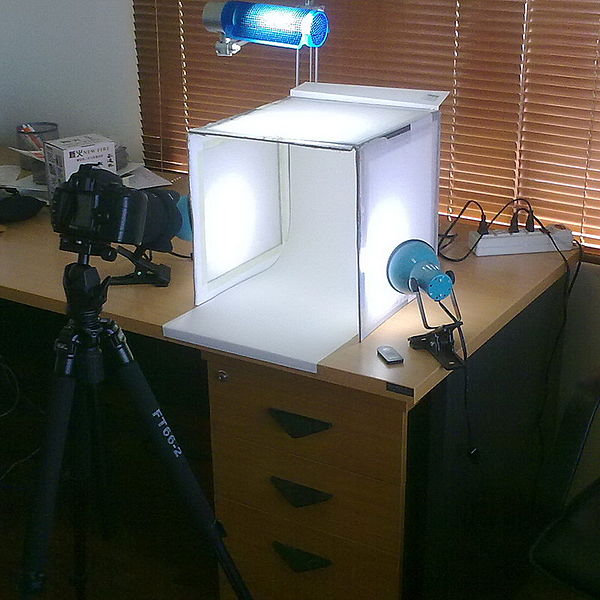
Light tent
Deconstructing the Light Tent
A light tent is a sophisticated form of installation art that transcends traditional artistic boundaries by employing light as its primary architectural and aesthetic medium. These structures are not merely illuminated objects but rather enclosed environments meticulously crafted from light itself. They invite viewers to step beyond passive observation and enter a space where the boundaries between art, architecture, and experience blur.
The ephemeral nature of light is harnessed to create tangible, albeit temporary, spatial constructs that can evoke a wide range of psychological and emotional responses. The design often plays with perception, manipulating scale, color, and intensity to create illusions of depth, movement, and form. Unlike static sculptures, light tents are dynamic, evolving entities that respond to programming and, in some cases, even audience interaction, offering a deeply personal and memorable encounter with art.
Genesis of Luminescent Architecture
The conceptual lineage of light tents can be traced through various avant-garde art movements, including early 20th-century Constructivism and Light and Space art. Artists like László Moholy-Nagy explored the kinetic and spatial potential of light, while the Light and Space movement in the 1960s and 70s, featuring artists such as James Turrell and Robert Irwin, directly investigated how light and space interact to affect human perception. However, the advent of digital control systems and advancements in LED technology in the late 20th and early 21st centuries provided the practical means to realize complex, large-scale light tents.
These technological leaps enabled artists to move from experimenting with light projections and illuminated objects to constructing entire volumetric spaces defined by controlled luminescence, marking a significant evolution in the practice of light-based art and its architectural implications.
The Significance of Immersive Light Environments
The importance of light tents extends beyond their aesthetic appeal, impacting cultural, social, and psychological spheres. As public art, they serve as powerful catalysts for community interaction and urban regeneration, transforming underutilized spaces into vibrant cultural hubs and drawing diverse audiences. For artists, these installations provide a unique platform to explore complex themes such as perception, consciousness, the ephemeral nature of existence, and the relationship between technology and human experience.
The immersive quality of light tents can induce altered states of perception, fostering introspection and a heightened sense of wonder. Furthermore, they democratize art by making it accessible and experiential, encouraging a broader public engagement with contemporary artistic practices and technological innovation, thereby enriching the cultural landscape.
Engineering Illumination
The creation of a light tent is a multidisciplinary endeavor, heavily reliant on sophisticated technological integration. At its core is the precise control of light sources, predominantly programmable LEDs, chosen for their energy efficiency, longevity, and vast color-mixing capabilities. These LEDs are meticulously arranged and networked, often attached to a carefully engineered structural framework.
This framework, which can range from lightweight aluminum trusses to tensioned fabric systems, defines the tent's geometry and provides the substrate for the light elements. Advanced software and microcontrollers are employed to choreograph the light sequences, dictating color, intensity, timing, and spatial distribution to achieve desired visual effects, from subtle atmospheric shifts to dynamic, pulsating displays. The design process involves complex calculations for light diffusion, color blending, and structural integrity to ensure both the aesthetic vision and the safety and stability of the installation.
Contemporary Manifestations and Future Directions
Light tents continue to evolve, pushing the boundaries of what is possible in immersive art. Contemporary artists are exploring new materials, such as flexible OLEDs and fiber optics, to create more fluid and intricate forms. Integration with sensors allows for real-time responsiveness to environmental conditions or audience presence, leading to truly interactive and adaptive environments.
The concept is also being explored in architectural contexts, not just as temporary art installations but as elements within permanent structures, influencing mood, energy efficiency, and spatial perception. Future directions may involve greater integration with augmented reality, creating hybrid physical-digital experiences, or utilizing bio-luminescent materials for more sustainable and organic light sources. The ongoing innovation in lighting technology and digital design ensures that light tents will remain a dynamic and influential art form.
See also
Frequently Asked Questions
What is a light tent?+
How do light tents make colors change?+
Why do people visit light tents?+
Where can you find a light tent?+
Can kids help make a light tent?+
Based on content from Wikipedia · Licensed under CC BY-SA 4.0