

Li Bai
Images
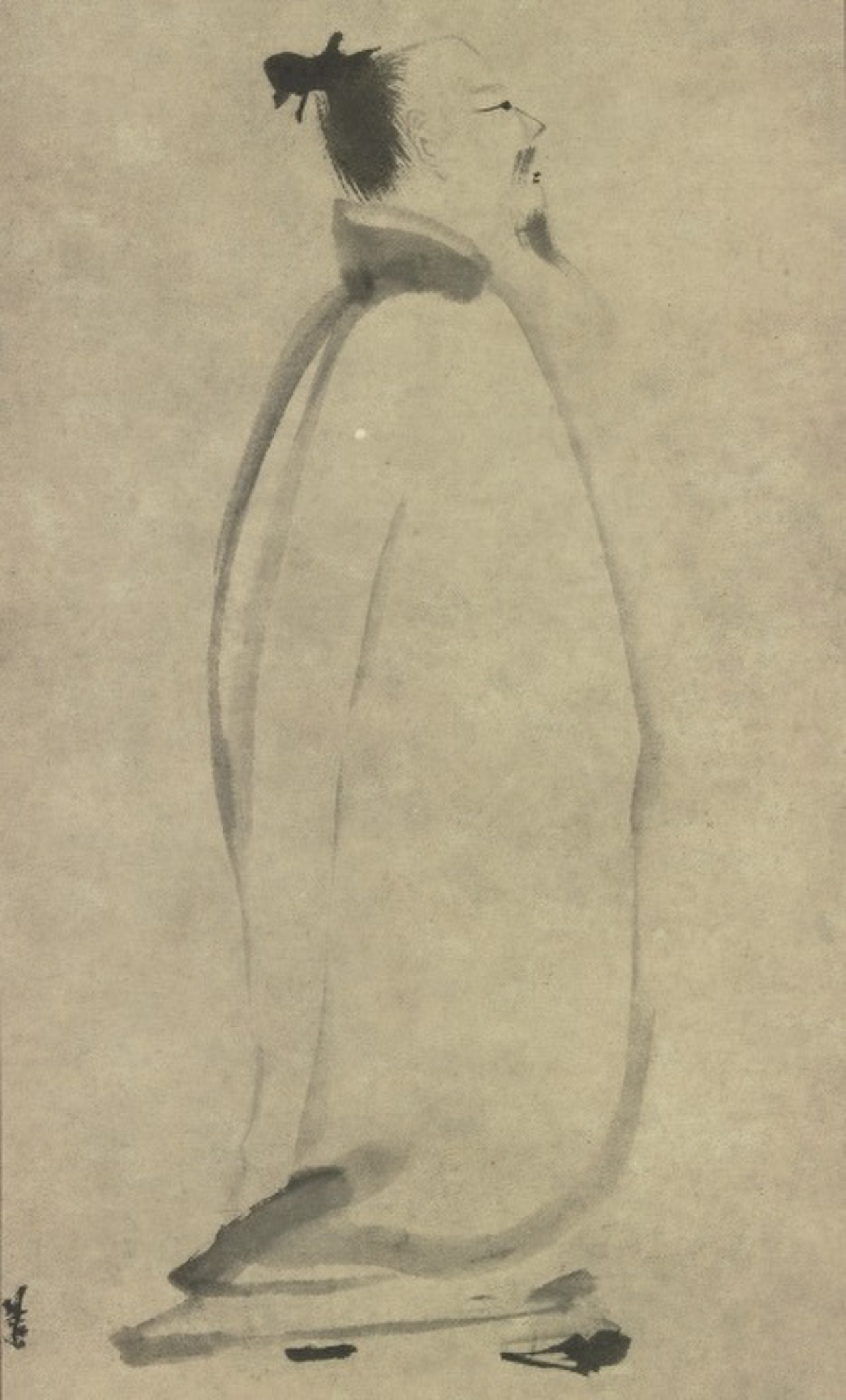
Li Bai
The Zenith of Tang Poetry
Li Bai (701–762 AD), also known by his courtesy name Taibai, stands as a colossus in the landscape of Chinese literature, widely acclaimed as one of the most significant poets of the Tang Dynasty. This period is often lauded as the 'Golden Age of Chinese Poetry,' a time of unprecedented artistic and cultural efflorescence, with Li Bai and his contemporary Du Fu being its most prominent figures. His genius was so multifaceted that his poetry, combined with the exceptional swordsmanship of Pei Min and the spontaneous calligraphy of Zhang Xu, formed the celebrated 'Three Wonders' of the era.
The sheer volume of his extant work, estimated at around 1,000 poems, is remarkable. These poems were meticulously collected, notably in Yin Fan's 'Heyue yingling ji' compiled in 753, and later found a prominent place in the influential 'Three Hundred Tang Poems.' His international recognition began to grow significantly around the 18th century with early European translations, and his influence was later amplified by modern poets like Ezra Pound, who featured a substantial number of Li Bai's poems in his seminal work 'Cathay'.
A Life of Wandering, Wine, and Verse
Li Bai's poetry is inextricably linked to the narrative of his life, a tapestry woven with threads of extensive travel, profound friendships, and a deep engagement with the natural world. His poems serve as vivid chronicles of the landscapes he traversed and the companions he bid farewell to, often with the poignant awareness of potentially never meeting again. His imaginative scope was vast, incorporating dreamlike visions and elements that hint at shamanistic experiences.
He possessed a unique ability to capture the ephemeral beauty of nature, perceiving moments as timeless, and to reflect on contemporary events. Crucially, his work chronicles the dramatic shifts in China during his lifetime. His early poems exude the optimism of a peaceful and prosperous era, fostered by an emperor actively patronizing the arts.
However, this idyll was shattered by the An Lushan Rebellion, which plunged northern China into devastating war and famine. Li Bai's later poetry reflects this turmoil, adopting new depths of emotion and gravitas. Unlike his younger friend Du Fu, Li Bai did not live to witness the eventual end of this chaotic period.
Thematic Resonance and Enduring Appeal
The enduring power of Li Bai's poetry lies in its exploration of universal human experiences. He is celebrated for his masterful articulation of the joys of friendship, the sublime beauty and solace found in nature, the introspective peace of solitude, and the unrestrained exuberance of drinking. Iconic poems such as 'Waking from Drunkenness on a Spring Day,' 'The Hard Road to Shu,' 'Bring in the Wine,' and 'Quiet Night Thought' are not merely historical relics; they remain integral to Chinese education and cultural identity.
His lyrical style, characterized by spontaneity, vivid imagery, and emotional depth, transcends cultural and linguistic barriers. The continuous production of multilingual translations underscores his global reach and the timeless relevance of his themes, ensuring his voice continues to resonate with contemporary readers and artists alike.
Mythologizing the Immortal Poet
Li Bai's life has been so imbued with romanticism and artistic fervor that it has acquired a legendary dimension. Tales of his prodigious drinking, chivalrous spirit, and unconventional lifestyle contribute to his larger-than-life persona. The most famous, albeit apocryphal, story of his demise-drowning while attempting to embrace the moon's reflection from his boat in a drunken state-epitomizes the romantic, tragic, and slightly fantastical image associated with him.
This narrative, whether literally true or a symbolic representation, highlights the profound connection between his art, his persona, and the mystical allure often attributed to his genius. His depiction in historical texts like Jin Guliang's 'Wu Shuang Pu' (Table of Peerless Heroes) further solidifies his status as an iconic figure in Chinese cultural history.
Go deeper
Frequently Asked Questions
Who was Li Bai?+
How many poems did Li Bai write?+
Why do people still read Li Bai's poems today?+
What happened to Li Bai during the war in his time?+
What are some of Li Bai's famous poems?+
Based on content from Wikipedia · Licensed under CC BY-SA 4.0