

Leopold II, Holy Roman Emperor
Images
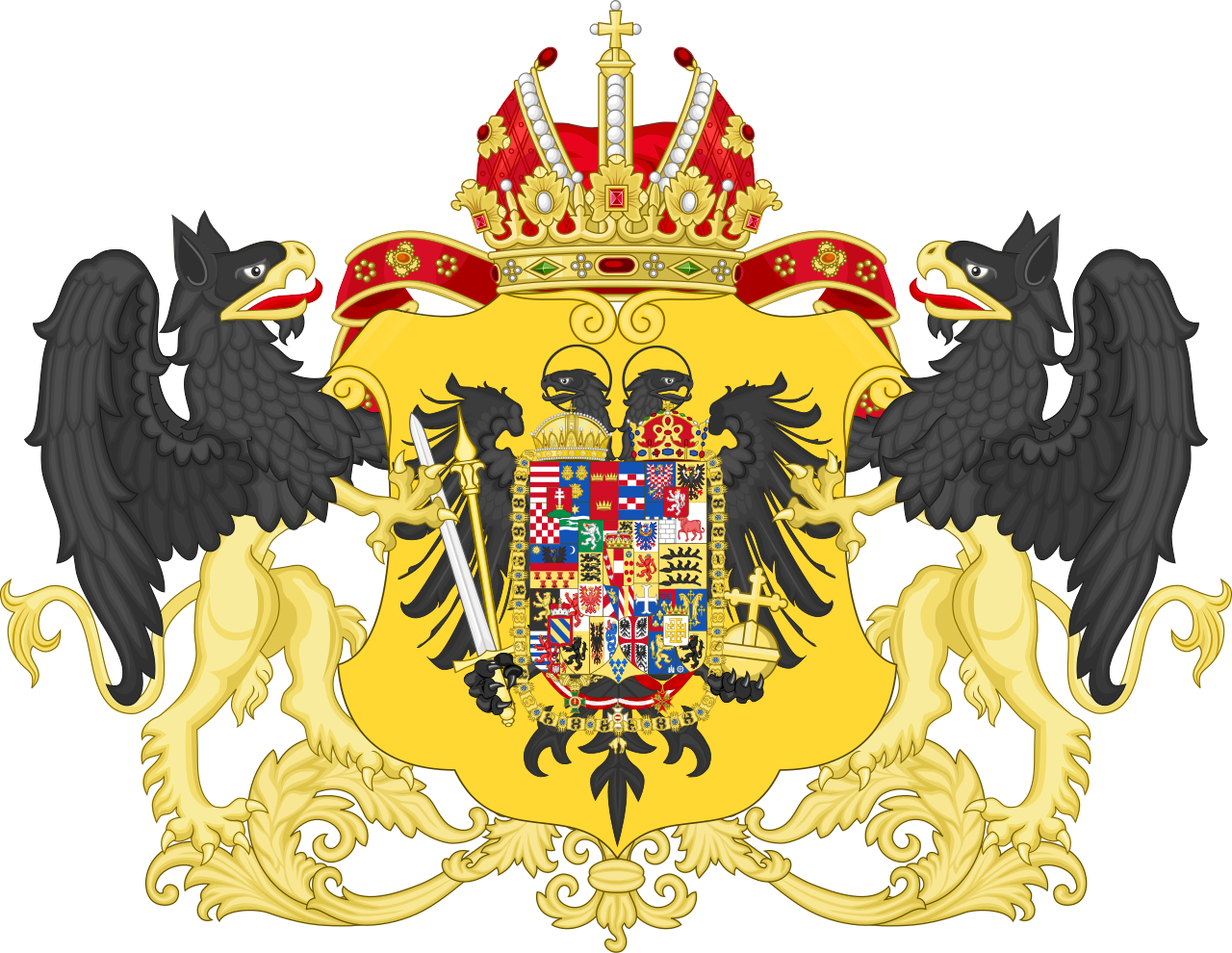
Ornamented Coat of Arms of Leopold II and Francis II, Holy Roman Emperors


The Tuscan Experiment
Leopold II's tenure as Grand Duke of Tuscany (1765-1790) provided a crucial testing ground for his reformist ideals. Influenced by Enlightenment thinkers and his own brother Emperor Joseph II's reforms, Leopold sought to modernize the Tuscan state. His most celebrated achievement was the radical reform of the penal code.
On November 30, 1786, he issued the Edict of Reform, which abolished the death penalty and outlawed torture. This was a monumental step, making Tuscany the first state in modern history to implement such humane legal practices. This reform was not merely symbolic; it reflected a deep-seated belief in rational justice and the inherent dignity of individuals, challenging centuries of established punitive traditions.
The historian Paul W. Schroeder's assessment of Leopold as 'one of the most shrewd and sensible monarchs ever to wear a crown' is particularly relevant here, underscoring his practical application of enlightened principles.
Navigating the Imperial Crown
Ascending to the Holy Roman Emperor title in 1790, Leopold inherited a vastly more complex and volatile political landscape than Tuscany. He also became King of Hungary and Bohemia. The French Revolution was in full swing, creating immense pressure and instability across Europe.
Unlike some of his more reactionary contemporaries, Leopold maintained a degree of pragmatism. While he was concerned about the spread of revolutionary ideas, his immediate focus was on consolidating his power and restoring order within the Empire. He sought to balance the need for strong central authority with the diverse interests of the various states under his rule.
His approach was characterized by negotiation and a careful understanding of political realities, rather than outright suppression, a testament to his shrewdness as a statesman.
The Enduring Significance of Leopold's Reforms
The impact of Leopold II's reforms, particularly the abolition of capital punishment and torture in Tuscany, resonates far beyond his lifetime. This act served as a powerful precedent, influencing subsequent legal reforms across Europe and the Americas. It laid foundational arguments for modern human rights discourse, emphasizing rehabilitation and proportionality in justice.
The continued commemoration of this event through the Feast of Tuscany since 2000 highlights its enduring cultural and historical importance. Leopold's legacy is not just that of an emperor, but of a ruler who dared to implement radical, humane policies, demonstrating that enlightened governance could be both effective and compassionate, even in an era often defined by absolutism and conflict.
Connections to Modern Governance and Human Rights
Leopold II's reign offers valuable insights into the evolution of governance and the development of human rights principles. His Tuscan reforms are a direct precursor to modern penal systems that prioritize due process and humane treatment. His pragmatic approach to managing the Holy Roman Empire in the face of revolutionary upheaval also provides a case study in crisis management and the challenges of maintaining stability in a rapidly changing world.
The tension between his enlightened ideals and the realities of monarchical power is a recurring theme in political history. His life and reign demonstrate that even within autocratic structures, individuals can champion progressive change, leaving a lasting mark on the trajectory of justice and governance, principles that remain central to contemporary political discourse and international law.
See also
Frequently Asked Questions
Who was Leopold II?+
What did Leopold II do in Tuscany?+
Did Leopold II stop the death penalty?+
Was Leopold II a good king?+
What happened to the Holy Roman Empire when Leopold II was emperor?+
Based on content from Wikipedia · Licensed under CC BY-SA 4.0